Phụng Vụ - Mục Vụ
Mỗi Ngày Một Câu Danh Ngôn Của Các Thánh
Lm. Giuse Maria Nhân Tài, csjb. ·
00:29 20/05/2026
26. Làm việc thiện, nếu như không có đức ái thì không giúp gì cả, phút chốc qua đi.
(Thánh Christina)Lm. Giuse Maria Nhân Tài, csjb.
(Trích dịch từ tiếng Hoa trong "Cách ngôn thần học tu đức")
---------
http://www.vietcatholic.net
https://www.facebook.com/jmtaiby
http://www.nhantai.info
Mỗi Ngày Một Câu Chuyện
Lm. Giuse Maria Nhân Tài, csjb. ·
00:33 20/05/2026
30. ANH EM ĐÙA NHAU
Lý Tử Bạch của huyện Nội Hương làm quan đến chức hàn lâm kiểm thảo, em là Lý Tập Mỹ dừng lại ở Tăng Quảng được ban tước rất lâu mà không được thăng cấp.
Tử Điền (Tử Bạch) viết thư cho em trai nói:
- “Năm nay em Tăng Quảng, sang năm Tăng Quảng, không biết đã tăng bao nhiêu, rộng (quảng) bao nhiêu?”
Tập Mỹ cũng phúc đáp lại anh:
- “Năm nay anh kiểm thảo, sang năm kiểm thảo, không biết kiểm cái gì, thảo được cái gì?”
(Ký Viên Ký Sở Ký)
Suy tư 30:
Người ít đi xưng tội chế giễu người năng xưng tội: tuần này xưng tội, tuần sau xưng tội, tội gì mà xưng lắm thế ! Thế là lên tiếng cãi nhau.
Người năng xưng tội trách người không đi xưng tội: tháng này không xưng tội, tháng sau không xưng tội, không xưng tội thì sao được rỗi linh hồn ! Thế là lên tiếng cãi nhau.
Bí tích Giải Tội như một dòng suối thiêng thiêng rửa sạch tội lỗi của chúng ta, với một điều kiện là: thành tâm thống hối chừa bỏ tội lỗi, người công giáo nào cũng hiểu điều đó, cho nên, năng xưng tội và không xưng tội thì cũng vì ích lợi và không ích lợi cho linh hồn mình mà thôi.
Tuy nhiên, theo kinh nghiệm của các thánh và những người thánh thiện thì năng đến với tòa cáo giải là dấu chỉ của người được rỗi linh hồn, bởi vì không ai càng tắm mà lại càng dơ bẩn.
Không nên cãi nhau về việc lãnh nhận các bí tích, nhưng nên tự vấn lương tâm: tôi đã lãnh nhận các bí tích với thái độ và lương tâm như thế nào?
Lm. Giuse Maria Nhân Tài, csjb.
(Dịch từ tiếng Hoa và viết suy tư)
-----------
http://www.vietcatholic.net
https://www.facebook.com/jmtaiby
http://www.nhantai.info
Lý Tử Bạch của huyện Nội Hương làm quan đến chức hàn lâm kiểm thảo, em là Lý Tập Mỹ dừng lại ở Tăng Quảng được ban tước rất lâu mà không được thăng cấp.
Tử Điền (Tử Bạch) viết thư cho em trai nói:
- “Năm nay em Tăng Quảng, sang năm Tăng Quảng, không biết đã tăng bao nhiêu, rộng (quảng) bao nhiêu?”
Tập Mỹ cũng phúc đáp lại anh:
- “Năm nay anh kiểm thảo, sang năm kiểm thảo, không biết kiểm cái gì, thảo được cái gì?”
(Ký Viên Ký Sở Ký)
Suy tư 30:
Người ít đi xưng tội chế giễu người năng xưng tội: tuần này xưng tội, tuần sau xưng tội, tội gì mà xưng lắm thế ! Thế là lên tiếng cãi nhau.
Người năng xưng tội trách người không đi xưng tội: tháng này không xưng tội, tháng sau không xưng tội, không xưng tội thì sao được rỗi linh hồn ! Thế là lên tiếng cãi nhau.
Bí tích Giải Tội như một dòng suối thiêng thiêng rửa sạch tội lỗi của chúng ta, với một điều kiện là: thành tâm thống hối chừa bỏ tội lỗi, người công giáo nào cũng hiểu điều đó, cho nên, năng xưng tội và không xưng tội thì cũng vì ích lợi và không ích lợi cho linh hồn mình mà thôi.
Tuy nhiên, theo kinh nghiệm của các thánh và những người thánh thiện thì năng đến với tòa cáo giải là dấu chỉ của người được rỗi linh hồn, bởi vì không ai càng tắm mà lại càng dơ bẩn.
Không nên cãi nhau về việc lãnh nhận các bí tích, nhưng nên tự vấn lương tâm: tôi đã lãnh nhận các bí tích với thái độ và lương tâm như thế nào?
Lm. Giuse Maria Nhân Tài, csjb.
(Dịch từ tiếng Hoa và viết suy tư)
-----------
http://www.vietcatholic.net
https://www.facebook.com/jmtaiby
http://www.nhantai.info
Ngày 21/05: Chúa Giêsu cầu nguyện – Lm. Giuse Đaminh Nguyễn Ngọc Tân, CP
Giáo Hội Năm Châu
03:44 20/05/2026
Tin Mừng Chúa Giê-su Ki-tô theo thánh Gio-an.
Khi ấy, Đức Giê-su ngước mắt lên trời và cầu nguyện rằng : “Lạy Cha, Con không chỉ cầu nguyện cho những người này, nhưng còn cho những ai nhờ lời họ mà tin vào con, 21 để tất cả nên một, như Cha ở trong con và con ở trong Cha để họ cũng ở trong chúng ta. Như vậy, thế gian sẽ tin rằng Cha đã sai con. 22 Phần con, con đã ban cho họ vinh quang mà Cha đã ban cho con, để họ được nên một như chúng ta là một : 23 Con ở trong họ và Cha ở trong con, để họ được hoàn toàn nên một; như vậy, thế gian sẽ nhận biết là chính Cha đã sai con và đã yêu thương họ như đã yêu thương con.
24 “Lạy Cha, con muốn rằng con ở đâu, thì những người Cha đã ban cho con cũng ở đó với con, để họ chiêm ngưỡng vinh quang của con, vinh quang mà Cha đã ban cho con, vì Cha đã yêu thương con trước khi thế gian được tạo thành. 25 Lạy Cha là Đấng công chính, thế gian đã không biết Cha, nhưng con, con đã biết Cha, và những người này đã biết là chính Cha đã sai con. 26 Con đã cho họ biết danh Cha, và sẽ còn cho họ biết nữa, để tình Cha đã yêu thương con, ở trong họ, và con cũng ở trong họ nữa.”
Đầy Tràn Niềm Vui
Lm Vũđình Tường
18:58 20/05/2026
Thông thường khi tiễn biệt người thân thương về lại quê hương, xứ sở, ta cảm thấy lòng mình buồn vui lẫn lộn; buồn vì muốn được gần người thân thương lâu hơn nữa. Vui vì có được những giây phút tuyệt vời với người thân thương. Ngày chia tay đến, dù có muốn cũng không làm gì hơn là chúc người thân thương đi may mắn, về đến nhà bằng an.
Phúc Âm thuật lại môn đệ không buồn man mác, tiếc thương; trái lại cõi lòng tràn đầy niềm vui. Vui vì được chúc lành; vui vì từ đây các ông trở thành con người mới, cuộc sống mới, đầy sức sống, tin yêu, hy vọng, làm chứng nhân Tin Mừng Phục Sinh. Thánh Luca thuật lại
Người dẫn các ông tới gần Betania, rồi giơ tay chúc lành cho các ông. Và đang khi chúc lành, thì Người rời khỏi các ông và được đem lên trời. Bấy giờ các ông bái lạy Người, rồi trở về Giêrusalem, lòng đầy hoan hỉ Lc 24:50tt.
Gặp gỡ Đức Kitô Phục Sinh con tim các ông thay đổi từ lo lắng, sợ sệt, buồn sầu, đau khổ thành con tim chứa chan bình an, hạnh phúc ngập tràn niềm vui. Niềm vui sâu thẳm tận cõi lòng bộc lộ ra khi phút đầu gặp gỡ, con tim tái sinh vì có bình an của Đức Kitô Phục Sinh. Liền sau đó, một lần nữa Ngài lại ban bình an cho môn đệ khi sai họ đi làm chứng cho Tin Mừng Phục Sinh. Đây là niềm vui tin tưởng, phó thác. Từ nay các ông lãnh nhận sứ mạng rao giảng Tin Mừng. Sứ mạng của chính chính Đức.
Như Chúa Cha đã sai Thầy, thì Thầy cũng sai anh em. Nói xong, Người thổi hơi vào các ông và bảo: Anh em hãy nhận lấy Thánh Thần Gn 20:22
Lưỡi đòng đâm thấu con tim Đức Kitô, vắt cạn mọi giọt máu; lưỡi đòng đó cũng cắt đứt sự sống, niềm hy vọng còn sót trong tim môn đệ. Lưỡi đòng đó cắt đứt luôn ánh sáng tương lai huy hoàng lúc theo chân Đức Kitô. U sầu, ảm đạm tạo nên một không gian, tương lai mù tối, âm u, thời gian của tuyệt vọng. Sự sống lại, Phục Sinh vinh hiển của Đức Kitô làm sống lại cõi lòng, hy vọng bừng sáng, tương lai huy hoàng. Đức Kitô Phục Sinh hiện ra ban bình an cho các ông, than nguội, tro tàn, bỗng nhiên bùng cháy lên niềm hy vọng đã tắt lịm. Bình an cho anh em là sức sống mới, đời sống mới Đức Kitô Phục Sinh ban cho môn đệ. Bức tường vô hình, đen tối, mù loà, ảm đạm bao phủ các ông ba ngày qua, giờ hoàn toàn sụp đổ. Ánh sáng Phục Sinh tràn ngập tâm hồn, sức sống Phục Sinh đổ tràn đầy tâm hồn từng người niềm vui mới, niềm vui gặp gỡ dạt dào lòng mến. Chính việc gặp lại Đức Kitô Phục Sinh đã thay đổi toàn diện con người các ông. Ba lần Đức Kitô tiên báo về cuộc khổ nạn, và ba lần hứa Ngài sẽ sống lại sau ba ngày trong mộ giờ trở thành sự thật bao trùm không chỉ nơi con người các ông, mà còn lan toả toàn vùng nơi các ông đang lẩn trốn.
Ngài đi Jerusalem, chịu nhiều đau khổ.... bị giết chết và ngày thứ ba sẽ sống lại Mt 16:21; Mt 17:22; Mt 20:17
Môn đệ Đức Kitô còn cảm nhận tình Cha con khi tiễn biệt Đức Kitô về trời ngự bên hữu Chúa Cha như lời Ngài loan báo với các bà phụ nữ ngay khi họ gặp Ngài bên ngoài cửa mộ.
Thầy lên cùng Cha của Thầy, cũng là Cha của anh em, lên cùng Thiên Chúa của Thầy cũng là Thiên Chúa của anh em Gn 20:17
Lời hứa Ngài về cùng Cha Ngài cũng là Cha của các ông cũng trở thành hiện thực. Lời Ngài phán dậy, Ngài đến từ trời và nay lại trở về trời cũng thành hiện thực. Điều này đang xảy; mắt các ông đang chứng kiến rõ ràng, ngay ban ngày, nơi cánh đồng, trời quang mây tỏ. Không thể sai được, bóng Ngài nhỏ dần, nhỏ dần cho đến khi thoát khỏi tầm mắt các ông. Lời hứa Ngài ở đâu các ông cũng sẽ ở đó với Ngài; niềm vui đoàn tụ chưa đến nhưng chắc chắn sẽ đến.
Từ nay môn đệ dùng chung một ngôn ngữ, dù cách diễn tả, giảng giải có khác nhau nhưng đều là ngôn ngữ nói về lòng mến, tình yêu dành cho Đức Kitô. Ngôn ngữ mới diễn tả cùng niềm tin, niềm tin Phục Sinh. Ngôn ngữ mà Thánh Thần gợi nhớ, hướng dẫn, giảng giải, giúp hiểu điều Đức Kitô từng phán dậy. Món quà Đức Kitô hứa ban cho môn đệ đến từ trời cao. Món quà mà Đức Kitô nói rõ thế gian không thể có để cho. Món quà mà thánh Phaolô nói Ngài sẽ làm cho môn đệ ra vững mạnh (Rom 8:25-27). Hơn thế nữa, Thánh Thần còn giúp sửa đổi điều môn đệ không thể diễn tả rõ ràng thành ngôn từ trong sáng trước khi dâng lời nguyện đó lên trước thiên nhan Thiên Chúa. Thánh Phaolô nói rõ chỉ có một Thánh Thần, nhưng đặc sủng ban cho cá nhân lại khác biệt 1Cor 12:3-7. Xin Thánh Thần hướng dẫn, chỉ bảo ta biết dùng tài năng Chúa ban cách khôn ngoan, khiêm nhu trong sứ vụ rao giảng Tin Mừng và biết sống tâm tình tạ ơn Chúa. Tin nhiều ít, mạnh yếu đều lệ thuộc vào lòng mến.
Phúc Âm thuật lại môn đệ không buồn man mác, tiếc thương; trái lại cõi lòng tràn đầy niềm vui. Vui vì được chúc lành; vui vì từ đây các ông trở thành con người mới, cuộc sống mới, đầy sức sống, tin yêu, hy vọng, làm chứng nhân Tin Mừng Phục Sinh. Thánh Luca thuật lại
Người dẫn các ông tới gần Betania, rồi giơ tay chúc lành cho các ông. Và đang khi chúc lành, thì Người rời khỏi các ông và được đem lên trời. Bấy giờ các ông bái lạy Người, rồi trở về Giêrusalem, lòng đầy hoan hỉ Lc 24:50tt.
Gặp gỡ Đức Kitô Phục Sinh con tim các ông thay đổi từ lo lắng, sợ sệt, buồn sầu, đau khổ thành con tim chứa chan bình an, hạnh phúc ngập tràn niềm vui. Niềm vui sâu thẳm tận cõi lòng bộc lộ ra khi phút đầu gặp gỡ, con tim tái sinh vì có bình an của Đức Kitô Phục Sinh. Liền sau đó, một lần nữa Ngài lại ban bình an cho môn đệ khi sai họ đi làm chứng cho Tin Mừng Phục Sinh. Đây là niềm vui tin tưởng, phó thác. Từ nay các ông lãnh nhận sứ mạng rao giảng Tin Mừng. Sứ mạng của chính chính Đức.
Như Chúa Cha đã sai Thầy, thì Thầy cũng sai anh em. Nói xong, Người thổi hơi vào các ông và bảo: Anh em hãy nhận lấy Thánh Thần Gn 20:22
Lưỡi đòng đâm thấu con tim Đức Kitô, vắt cạn mọi giọt máu; lưỡi đòng đó cũng cắt đứt sự sống, niềm hy vọng còn sót trong tim môn đệ. Lưỡi đòng đó cắt đứt luôn ánh sáng tương lai huy hoàng lúc theo chân Đức Kitô. U sầu, ảm đạm tạo nên một không gian, tương lai mù tối, âm u, thời gian của tuyệt vọng. Sự sống lại, Phục Sinh vinh hiển của Đức Kitô làm sống lại cõi lòng, hy vọng bừng sáng, tương lai huy hoàng. Đức Kitô Phục Sinh hiện ra ban bình an cho các ông, than nguội, tro tàn, bỗng nhiên bùng cháy lên niềm hy vọng đã tắt lịm. Bình an cho anh em là sức sống mới, đời sống mới Đức Kitô Phục Sinh ban cho môn đệ. Bức tường vô hình, đen tối, mù loà, ảm đạm bao phủ các ông ba ngày qua, giờ hoàn toàn sụp đổ. Ánh sáng Phục Sinh tràn ngập tâm hồn, sức sống Phục Sinh đổ tràn đầy tâm hồn từng người niềm vui mới, niềm vui gặp gỡ dạt dào lòng mến. Chính việc gặp lại Đức Kitô Phục Sinh đã thay đổi toàn diện con người các ông. Ba lần Đức Kitô tiên báo về cuộc khổ nạn, và ba lần hứa Ngài sẽ sống lại sau ba ngày trong mộ giờ trở thành sự thật bao trùm không chỉ nơi con người các ông, mà còn lan toả toàn vùng nơi các ông đang lẩn trốn.
Ngài đi Jerusalem, chịu nhiều đau khổ.... bị giết chết và ngày thứ ba sẽ sống lại Mt 16:21; Mt 17:22; Mt 20:17
Môn đệ Đức Kitô còn cảm nhận tình Cha con khi tiễn biệt Đức Kitô về trời ngự bên hữu Chúa Cha như lời Ngài loan báo với các bà phụ nữ ngay khi họ gặp Ngài bên ngoài cửa mộ.
Thầy lên cùng Cha của Thầy, cũng là Cha của anh em, lên cùng Thiên Chúa của Thầy cũng là Thiên Chúa của anh em Gn 20:17
Lời hứa Ngài về cùng Cha Ngài cũng là Cha của các ông cũng trở thành hiện thực. Lời Ngài phán dậy, Ngài đến từ trời và nay lại trở về trời cũng thành hiện thực. Điều này đang xảy; mắt các ông đang chứng kiến rõ ràng, ngay ban ngày, nơi cánh đồng, trời quang mây tỏ. Không thể sai được, bóng Ngài nhỏ dần, nhỏ dần cho đến khi thoát khỏi tầm mắt các ông. Lời hứa Ngài ở đâu các ông cũng sẽ ở đó với Ngài; niềm vui đoàn tụ chưa đến nhưng chắc chắn sẽ đến.
Từ nay môn đệ dùng chung một ngôn ngữ, dù cách diễn tả, giảng giải có khác nhau nhưng đều là ngôn ngữ nói về lòng mến, tình yêu dành cho Đức Kitô. Ngôn ngữ mới diễn tả cùng niềm tin, niềm tin Phục Sinh. Ngôn ngữ mà Thánh Thần gợi nhớ, hướng dẫn, giảng giải, giúp hiểu điều Đức Kitô từng phán dậy. Món quà Đức Kitô hứa ban cho môn đệ đến từ trời cao. Món quà mà Đức Kitô nói rõ thế gian không thể có để cho. Món quà mà thánh Phaolô nói Ngài sẽ làm cho môn đệ ra vững mạnh (Rom 8:25-27). Hơn thế nữa, Thánh Thần còn giúp sửa đổi điều môn đệ không thể diễn tả rõ ràng thành ngôn từ trong sáng trước khi dâng lời nguyện đó lên trước thiên nhan Thiên Chúa. Thánh Phaolô nói rõ chỉ có một Thánh Thần, nhưng đặc sủng ban cho cá nhân lại khác biệt 1Cor 12:3-7. Xin Thánh Thần hướng dẫn, chỉ bảo ta biết dùng tài năng Chúa ban cách khôn ngoan, khiêm nhu trong sứ vụ rao giảng Tin Mừng và biết sống tâm tình tạ ơn Chúa. Tin nhiều ít, mạnh yếu đều lệ thuộc vào lòng mến.
Chúa Thánh Thần, Đấng đổi mới và canh tân
Lm. An-tôn Nguyễn Văn Độ
19:23 20/05/2026
Chúa Thánh Thần, Đấng đổi mới và canh tân
SUY NIỆM LỄ CHÚA THÀNH THẦN HIỆN XUỐNG
(Ga 20.19-23)
Hôm nay, toàn thể Giáo Hội long trọng mừng Lễ Chúa Thánh Thần hiện xuống, ngày Chúa Thánh Thần ngự xuống trên các Tông đồ, khai sinh Hội Thánh, ngày Chúa Giê-su hoàn tất lời hứa và mở ra một thời đại mới: thời của ân sủng và tình yêu Thiên Chúa giữa trần gian.
Sách Công vụ Tông đồ thuật lại: “Tất cả các môn đệ đều tề tựu một nơi, bỗng từ trời phát ra tiếng động như tiếng gió mạnh lùa vào đầy nhà nơi họ đang sum họp… mọi người đều được tràn đầy Chúa Thánh Thần” (Cv 2,2-4). Hình ảnh gió và lửa diễn tả sức mạnh thần linh của Thiên Chúa: gió đem lại sự sống, lửa thanh luyện và sưởi ấm.
Chúa Thánh Thần, Đấng khai sinh và đổi mới
Tin Mừng hôm nay cho chúng ta thấy hình ảnh các môn đệ đang tụ họp trong căn phòng đóng kín cửa vì sợ hãi. Sau biến cố Thầy mình bị đóng đinh, các ông hoang mang, thất vọng và mất phương hướng. Các ông từng theo Chúa với bao hy vọng, nhưng giờ đây chỉ còn lại nỗi lo âu và sợ hãi. Cánh cửa đóng kín không chỉ là cánh cửa của căn phòng, mà còn là cánh cửa của tâm hồn: khép kín, yếu đuối và bất an.
Chính lúc ấy, Chúa Giê-su phục sinh đã đến và ban Thánh Thần cho các ông. Một luồng gió mạnh ùa vào, những lưỡi lửa xuất hiện trên đầu mỗi người, và các ông được biến đổi hoàn toàn. Từ những con người nhút nhát, trở nên mạnh mẽ; từ những kẻ im lặng, trở thành những chứng nhân can trường loan báo Tin Mừng cho muôn dân. Chính Phê-rô, người từng chối Chúa ba lần, nay công khai rao giảng trước đám đông.
Điều đó cho chúng ta hiểu rằng: Chúa Thánh Thần không chỉ là một ý niệm trừu tượng, nhưng là sức sống của Thiên Chúa đang hoạt động trong lòng Giáo Hội và nơi từng người chúng ta. Ngài là Đấng đổi mới, chữa lành và làm cho con người được tái sinh.
Hội Thánh không được xây dựng trên quyền năng của Chúa Thánh Thần. Thánh I-rê-nê đã nói: “Ở đâu có Hội Thánh, ở đó có Chúa Thánh Thần; và ở đâu có Chúa Thánh Thần, ở đó có mọi ân sủng.” Nếu không có Chúa Thánh Thần, Giáo Hội chỉ là một tổ chức thuần tuý nhân loại; phụng vụ chỉ còn là nghi thức; truyền giáo chỉ còn là hoạt động xã hội. Chính Thánh Thần làm cho Hội Thánh sống động và sinh hoa trái.
Ngày nay, Giáo Hội đang rất cần Chúa Thánh Thần hướng dẫn. Thiếu Chúa Thánh Thần, tất cả các chương trình mục vụ, hoạt động bác ái hay truyền giáo đều trở nên vô nghĩa.
Chúa Thánh Thần là linh hồn của đời sống người tín hữu
Chúa Giê-su hiện đến với các môn đệ và nói: “Các con hãy nhận lấy Thánh Thần” (Ga 20,22). Liền sau đó Người ban quyền tha tội cho các ông: “Các con tha tội cho ai, thì tội người ấy được tha các con cầm tội ai, thì tội người ấy bị cầm lại” (Ga 20,23). Bởi công trình đầu tiên của Chúa Thánh Thần là chữa lành và hòa giải con người với Thiên Chúa.
Theo thánh Au-gút-ti-nô nói: “Điều linh hồn là gì đối với thân xác, thì Chúa Thánh Thần là như thế đối với Hội Thánh.” Không có linh hồn, thân xác sẽ chết; cũng vậy, không có Chúa Thánh Thần, đời sống đức tin sẽ trở nên khô khan và nguội lạnh.
Thực tế cho thấy nhiều Ki-tô hữu vẫn đi lễ, đọc kinh nhưng thiếu niềm vui và bình an nội tâm. Con người hiện đại có thể đầy vật chất nhưng lại trống rỗng về tinh thần. Người ta dễ rơi vào lo âu, ích kỷ và mất phương hướng vì sống dựa vào sức riêng mà quên mở lòng cho Chúa Thánh Thần.
Chúa Thánh Thần hiện diện rất cụ thể trong đời sống chúng ta. Ngài soi sáng lương tâm để ta phân biệt điều lành điều dữ. Ngài ban sức mạnh để vượt thắng cám dỗ. Ngài nâng đỡ khi ta đau khổ thất vọng. Ngài dạy ta biết cầu nguyện và yêu mến Thiên Chúa.
Thánh Tô-ma A-qui-nô gọi Chúa Thánh Thần là “mối dây tình yêu” giữa Chúa Cha và Chúa Con. Nơi nào có Thánh Thần, nơi đó có tình yêu chân thật. Chúa Thánh Thần là lửa tình yêu. Lửa có khả năng sưởi ấm, soi sáng và thanh luyện. Khi lửa Thánh Thần bừng cháy trong tâm hồn tín hữu, họ sẽ biết yêu thương và quảng đại hơn, dám sống cho người khác hơn. Một Giáo Hội có Chúa Thánh Thần là một Giáo Hội sống động, hiệp nhất và đầy lòng thương xót.
Chuẩn bị tâm hồn đón nhận Chúa Thánh Thần
Thế giới hôm nay đang rất cần Chúa Thánh Thần. Ngài vẫn không ngừng hoạt động để canh tân bộ mặt trái đất và đổi mới từng người chúng ta.
Vẫn còn nhiều người “đóng kín cửa” như: cửa sợ hãi, thất vọng, tự ái, hận thù và đam mê. Chỉ có Chúa Thánh Thần mới có thể mở tung những cánh cửa ấy và ban cho con người sự tự do đích thực.
Đức cố Giáo Hoàng Phan-xi-cô lúc sinh thời từng nhắc: “Chúa Thánh Thần là tác nhân chính của sứ vụ truyền giáo.” Giáo Hội cần những Ki-tô hữu biết sống dưới sự hướng dẫn của Thần Khí hơn là chạy theo tinh thần thế gian. Chúng ta không thể làm chứng cho Tin Mừng bằng sự nguội lạnh hay chia rẽ, nhưng bằng ngọn lửa yêu mến do Chúa Thánh Thần khơi lên.
Thế giới hôm nay rất cần những người Ki-tô hữu có “lửa Hiện Xuống”: dám sống trung thực giữa gian dối, yêu thương giữa hận thù, hy vọng giữa thất vọng. Cần những Ki-tô hữu mang lửa của Chúa Thánh Thần. Xã hội có thể phát triển về khoa học, kỹ thuật, nhưng vẫn thiếu bình an và tình người. Người ta có thể kết nối với nhau qua mạng internet, nhưng lại xa cách trong tâm hồn. Có nhiều ánh đèn ngoài phố, nhưng lại thiếu ánh sáng của sự thật và yêu thương. Vì thế, Chúa đang cần những người dám sống khác: sống chân thành, biết tha thứ, biết phục vụ và dám làm chứng cho Tin Mừng bằng chính đời sống của mình. Người đầy Thánh Thần sẽ mang bình an đến cho gia đình, ánh sáng đến cho xã hội và niềm hy vọng đến cho những tâm hồn đang đau khổ.
Lạy Chúa Thánh Thần, xin Ngài ngự đến! Amen.
Lm. An-tôn Nguyễn Văn Độ
SUY NIỆM LỄ CHÚA THÀNH THẦN HIỆN XUỐNG
(Ga 20.19-23)
Hôm nay, toàn thể Giáo Hội long trọng mừng Lễ Chúa Thánh Thần hiện xuống, ngày Chúa Thánh Thần ngự xuống trên các Tông đồ, khai sinh Hội Thánh, ngày Chúa Giê-su hoàn tất lời hứa và mở ra một thời đại mới: thời của ân sủng và tình yêu Thiên Chúa giữa trần gian.
Sách Công vụ Tông đồ thuật lại: “Tất cả các môn đệ đều tề tựu một nơi, bỗng từ trời phát ra tiếng động như tiếng gió mạnh lùa vào đầy nhà nơi họ đang sum họp… mọi người đều được tràn đầy Chúa Thánh Thần” (Cv 2,2-4). Hình ảnh gió và lửa diễn tả sức mạnh thần linh của Thiên Chúa: gió đem lại sự sống, lửa thanh luyện và sưởi ấm.
Chúa Thánh Thần, Đấng khai sinh và đổi mới
Tin Mừng hôm nay cho chúng ta thấy hình ảnh các môn đệ đang tụ họp trong căn phòng đóng kín cửa vì sợ hãi. Sau biến cố Thầy mình bị đóng đinh, các ông hoang mang, thất vọng và mất phương hướng. Các ông từng theo Chúa với bao hy vọng, nhưng giờ đây chỉ còn lại nỗi lo âu và sợ hãi. Cánh cửa đóng kín không chỉ là cánh cửa của căn phòng, mà còn là cánh cửa của tâm hồn: khép kín, yếu đuối và bất an.
Chính lúc ấy, Chúa Giê-su phục sinh đã đến và ban Thánh Thần cho các ông. Một luồng gió mạnh ùa vào, những lưỡi lửa xuất hiện trên đầu mỗi người, và các ông được biến đổi hoàn toàn. Từ những con người nhút nhát, trở nên mạnh mẽ; từ những kẻ im lặng, trở thành những chứng nhân can trường loan báo Tin Mừng cho muôn dân. Chính Phê-rô, người từng chối Chúa ba lần, nay công khai rao giảng trước đám đông.
Điều đó cho chúng ta hiểu rằng: Chúa Thánh Thần không chỉ là một ý niệm trừu tượng, nhưng là sức sống của Thiên Chúa đang hoạt động trong lòng Giáo Hội và nơi từng người chúng ta. Ngài là Đấng đổi mới, chữa lành và làm cho con người được tái sinh.
Hội Thánh không được xây dựng trên quyền năng của Chúa Thánh Thần. Thánh I-rê-nê đã nói: “Ở đâu có Hội Thánh, ở đó có Chúa Thánh Thần; và ở đâu có Chúa Thánh Thần, ở đó có mọi ân sủng.” Nếu không có Chúa Thánh Thần, Giáo Hội chỉ là một tổ chức thuần tuý nhân loại; phụng vụ chỉ còn là nghi thức; truyền giáo chỉ còn là hoạt động xã hội. Chính Thánh Thần làm cho Hội Thánh sống động và sinh hoa trái.
Ngày nay, Giáo Hội đang rất cần Chúa Thánh Thần hướng dẫn. Thiếu Chúa Thánh Thần, tất cả các chương trình mục vụ, hoạt động bác ái hay truyền giáo đều trở nên vô nghĩa.
Chúa Thánh Thần là linh hồn của đời sống người tín hữu
Chúa Giê-su hiện đến với các môn đệ và nói: “Các con hãy nhận lấy Thánh Thần” (Ga 20,22). Liền sau đó Người ban quyền tha tội cho các ông: “Các con tha tội cho ai, thì tội người ấy được tha các con cầm tội ai, thì tội người ấy bị cầm lại” (Ga 20,23). Bởi công trình đầu tiên của Chúa Thánh Thần là chữa lành và hòa giải con người với Thiên Chúa.
Theo thánh Au-gút-ti-nô nói: “Điều linh hồn là gì đối với thân xác, thì Chúa Thánh Thần là như thế đối với Hội Thánh.” Không có linh hồn, thân xác sẽ chết; cũng vậy, không có Chúa Thánh Thần, đời sống đức tin sẽ trở nên khô khan và nguội lạnh.
Thực tế cho thấy nhiều Ki-tô hữu vẫn đi lễ, đọc kinh nhưng thiếu niềm vui và bình an nội tâm. Con người hiện đại có thể đầy vật chất nhưng lại trống rỗng về tinh thần. Người ta dễ rơi vào lo âu, ích kỷ và mất phương hướng vì sống dựa vào sức riêng mà quên mở lòng cho Chúa Thánh Thần.
Chúa Thánh Thần hiện diện rất cụ thể trong đời sống chúng ta. Ngài soi sáng lương tâm để ta phân biệt điều lành điều dữ. Ngài ban sức mạnh để vượt thắng cám dỗ. Ngài nâng đỡ khi ta đau khổ thất vọng. Ngài dạy ta biết cầu nguyện và yêu mến Thiên Chúa.
Thánh Tô-ma A-qui-nô gọi Chúa Thánh Thần là “mối dây tình yêu” giữa Chúa Cha và Chúa Con. Nơi nào có Thánh Thần, nơi đó có tình yêu chân thật. Chúa Thánh Thần là lửa tình yêu. Lửa có khả năng sưởi ấm, soi sáng và thanh luyện. Khi lửa Thánh Thần bừng cháy trong tâm hồn tín hữu, họ sẽ biết yêu thương và quảng đại hơn, dám sống cho người khác hơn. Một Giáo Hội có Chúa Thánh Thần là một Giáo Hội sống động, hiệp nhất và đầy lòng thương xót.
Chuẩn bị tâm hồn đón nhận Chúa Thánh Thần
Thế giới hôm nay đang rất cần Chúa Thánh Thần. Ngài vẫn không ngừng hoạt động để canh tân bộ mặt trái đất và đổi mới từng người chúng ta.
Vẫn còn nhiều người “đóng kín cửa” như: cửa sợ hãi, thất vọng, tự ái, hận thù và đam mê. Chỉ có Chúa Thánh Thần mới có thể mở tung những cánh cửa ấy và ban cho con người sự tự do đích thực.
Đức cố Giáo Hoàng Phan-xi-cô lúc sinh thời từng nhắc: “Chúa Thánh Thần là tác nhân chính của sứ vụ truyền giáo.” Giáo Hội cần những Ki-tô hữu biết sống dưới sự hướng dẫn của Thần Khí hơn là chạy theo tinh thần thế gian. Chúng ta không thể làm chứng cho Tin Mừng bằng sự nguội lạnh hay chia rẽ, nhưng bằng ngọn lửa yêu mến do Chúa Thánh Thần khơi lên.
Thế giới hôm nay rất cần những người Ki-tô hữu có “lửa Hiện Xuống”: dám sống trung thực giữa gian dối, yêu thương giữa hận thù, hy vọng giữa thất vọng. Cần những Ki-tô hữu mang lửa của Chúa Thánh Thần. Xã hội có thể phát triển về khoa học, kỹ thuật, nhưng vẫn thiếu bình an và tình người. Người ta có thể kết nối với nhau qua mạng internet, nhưng lại xa cách trong tâm hồn. Có nhiều ánh đèn ngoài phố, nhưng lại thiếu ánh sáng của sự thật và yêu thương. Vì thế, Chúa đang cần những người dám sống khác: sống chân thành, biết tha thứ, biết phục vụ và dám làm chứng cho Tin Mừng bằng chính đời sống của mình. Người đầy Thánh Thần sẽ mang bình an đến cho gia đình, ánh sáng đến cho xã hội và niềm hy vọng đến cho những tâm hồn đang đau khổ.
Lạy Chúa Thánh Thần, xin Ngài ngự đến! Amen.
Lm. An-tôn Nguyễn Văn Độ
NGÀI CẦU CHO TÔI
Lm. Minh Anh (Tgp. Huế)
19:25 20/05/2026
NGÀI CẦU CHO TÔI
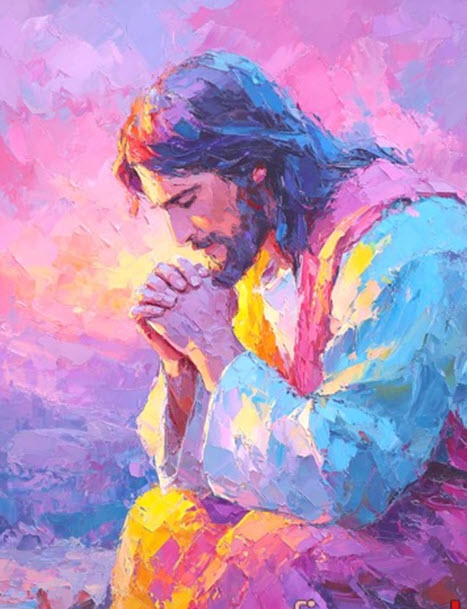
“Con không chỉ cầu nguyện cho những người này, nhưng còn cho những ai nhờ lời họ mà tin vào con!”.
Trong nhiều trại tập trung, tù nhân thường cố sống thêm chỉ vì biết tên mình vẫn còn được ai đó nhắc tới bên ngoài. Bị quên lãng đôi khi còn đáng sợ hơn đói khát và gông cùm.
Kính thưa Anh Chị em,
Tin Mừng hôm nay mở ra một sự thật đầy an ủi: giữa giờ phút đen tối nhất đời mình, Chúa Giêsu vẫn cầu nguyện cho chúng ta - ‘Ngài cầu cho tôi’.
Gioan rất ý tứ khi viết: Chúa Giêsu không chỉ cầu nguyện cho các môn đệ, nhưng còn đem họ đến trước Chúa Cha. Động từ erōtaō - “cầu xin” - ở đây không mang sắc thái van nài của kẻ yếu thế, nhưng diễn tả sự thân mật của Con với Cha. Lời nguyện ấy không chỉ là một hành vi đạo đức, nhưng là tiếng lòng của Người Con dành cho những kẻ Ngài yêu mà Cha đã trao phó. Ngài biết họ sắp tan tác, bách hại đang chờ phía trước; nhưng thay vì xin cất họ khỏi thế gian, Ngài xin Cha gìn giữ họ. Đó là chiếc ‘mỏ neo’ sâu nhất của Kitô giáo: chúng ta đứng vững không nhờ sức riêng, nhưng nhờ lời cầu nguyện của Chúa Kitô - ‘Ngài cầu cho tôi’.
Điều an ủi nhất của Kitô giáo là Mục Tử Giêsu chưa bao giờ ngừng nhớ đến chiên của Ngài. Thư Hipri sẽ nói, Ngài “hằng sống để chuyển cầu cho họ”. Nghĩa là, sau Phục Sinh, Chúa Giêsu vẫn mang những kẻ Ngài yêu vào trước mặt Chúa Cha. Nhờ đó, Hội Thánh sơ khai đã đứng vững giữa những bách hại không chỉ nhờ lòng can đảm, nhưng vì xác tín rằng, họ đang được nâng đỡ bởi lời cầu nguyện của một Đấng đã đi qua thập giá và chiến thắng sự chết. Với Paul Claudel, Đức Kitô không đến để xoá bỏ đau khổ, nhưng để bước vào đó bằng chính sự hiện diện của Ngài.
Sự nâng đỡ ấy được cảm nhận cụ thể nơi Phaolô, người đứng trước Thượng Hội Đồng giữa những lời kết án và chia rẽ của đám đông - bài đọc một. Chính trong đêm ấy, Chúa hiện ra và nói với ông, “Hãy vững lòng!”. Có lẽ đó cũng là kinh nghiệm của người Kitô hữu: những lúc họ tưởng mình bị bỏ mặc nhất lại là lúc Chúa ở gần nhất. Thánh Vịnh đáp ca thật sâu lắng, “Lạy Chúa Trời, xin giữ gìn con, vì bên Ngài, con đang ẩn náu!”.
Anh Chị em,
Điều đẹp nhất trong lời nguyện của Đức Giêsu không phải là Ngài xin cho các môn đệ được bình an hay thành công, nhưng là “Con muốn những kẻ Cha đã ban cho Con cũng ở với Con”. Ngài không chấp nhận mất một ai trong những kẻ Ngài yêu. Ngài biết họ sẽ yếu đuối, sẽ bỏ chạy, sẽ phản bội; nhưng vẫn muốn họ ở gần mình, ở lại trong tình yêu mà Chúa Cha đã yêu Ngài từ trước muôn đời. Có lẽ đó là trung tâm của Kitô giáo: trước cả khi cố giữ lấy Chúa, chúng ta đã được yêu, được nhớ đến và được cưu mang trong lời cầu nguyện Ngài dâng lên Cha - ‘Ngài cầu cho tôi’. “Trước khi chúng ta lên tiếng, Ngài đã biết; trước khi chúng ta cầu xin, Ngài đã yêu!” - Gioan Kim Khẩu.
Chúng ta có thể cầu nguyện,
“Lạy Chúa, khi đức tin con chao đảo, thuyền đời con trôi dạt, cho con biết thả neo trong lời cầu nguyện của Chúa; vì con tin rằng, Chúa đang cầu nguyện cho con!”, Amen.
Lm. Minh Anh (Tgp. Huế)
“Con không chỉ cầu nguyện cho những người này, nhưng còn cho những ai nhờ lời họ mà tin vào con!”.
Trong nhiều trại tập trung, tù nhân thường cố sống thêm chỉ vì biết tên mình vẫn còn được ai đó nhắc tới bên ngoài. Bị quên lãng đôi khi còn đáng sợ hơn đói khát và gông cùm.
Kính thưa Anh Chị em,
Tin Mừng hôm nay mở ra một sự thật đầy an ủi: giữa giờ phút đen tối nhất đời mình, Chúa Giêsu vẫn cầu nguyện cho chúng ta - ‘Ngài cầu cho tôi’.
Gioan rất ý tứ khi viết: Chúa Giêsu không chỉ cầu nguyện cho các môn đệ, nhưng còn đem họ đến trước Chúa Cha. Động từ erōtaō - “cầu xin” - ở đây không mang sắc thái van nài của kẻ yếu thế, nhưng diễn tả sự thân mật của Con với Cha. Lời nguyện ấy không chỉ là một hành vi đạo đức, nhưng là tiếng lòng của Người Con dành cho những kẻ Ngài yêu mà Cha đã trao phó. Ngài biết họ sắp tan tác, bách hại đang chờ phía trước; nhưng thay vì xin cất họ khỏi thế gian, Ngài xin Cha gìn giữ họ. Đó là chiếc ‘mỏ neo’ sâu nhất của Kitô giáo: chúng ta đứng vững không nhờ sức riêng, nhưng nhờ lời cầu nguyện của Chúa Kitô - ‘Ngài cầu cho tôi’.
Điều an ủi nhất của Kitô giáo là Mục Tử Giêsu chưa bao giờ ngừng nhớ đến chiên của Ngài. Thư Hipri sẽ nói, Ngài “hằng sống để chuyển cầu cho họ”. Nghĩa là, sau Phục Sinh, Chúa Giêsu vẫn mang những kẻ Ngài yêu vào trước mặt Chúa Cha. Nhờ đó, Hội Thánh sơ khai đã đứng vững giữa những bách hại không chỉ nhờ lòng can đảm, nhưng vì xác tín rằng, họ đang được nâng đỡ bởi lời cầu nguyện của một Đấng đã đi qua thập giá và chiến thắng sự chết. Với Paul Claudel, Đức Kitô không đến để xoá bỏ đau khổ, nhưng để bước vào đó bằng chính sự hiện diện của Ngài.
Sự nâng đỡ ấy được cảm nhận cụ thể nơi Phaolô, người đứng trước Thượng Hội Đồng giữa những lời kết án và chia rẽ của đám đông - bài đọc một. Chính trong đêm ấy, Chúa hiện ra và nói với ông, “Hãy vững lòng!”. Có lẽ đó cũng là kinh nghiệm của người Kitô hữu: những lúc họ tưởng mình bị bỏ mặc nhất lại là lúc Chúa ở gần nhất. Thánh Vịnh đáp ca thật sâu lắng, “Lạy Chúa Trời, xin giữ gìn con, vì bên Ngài, con đang ẩn náu!”.
Anh Chị em,
Điều đẹp nhất trong lời nguyện của Đức Giêsu không phải là Ngài xin cho các môn đệ được bình an hay thành công, nhưng là “Con muốn những kẻ Cha đã ban cho Con cũng ở với Con”. Ngài không chấp nhận mất một ai trong những kẻ Ngài yêu. Ngài biết họ sẽ yếu đuối, sẽ bỏ chạy, sẽ phản bội; nhưng vẫn muốn họ ở gần mình, ở lại trong tình yêu mà Chúa Cha đã yêu Ngài từ trước muôn đời. Có lẽ đó là trung tâm của Kitô giáo: trước cả khi cố giữ lấy Chúa, chúng ta đã được yêu, được nhớ đến và được cưu mang trong lời cầu nguyện Ngài dâng lên Cha - ‘Ngài cầu cho tôi’. “Trước khi chúng ta lên tiếng, Ngài đã biết; trước khi chúng ta cầu xin, Ngài đã yêu!” - Gioan Kim Khẩu.
Chúng ta có thể cầu nguyện,
“Lạy Chúa, khi đức tin con chao đảo, thuyền đời con trôi dạt, cho con biết thả neo trong lời cầu nguyện của Chúa; vì con tin rằng, Chúa đang cầu nguyện cho con!”, Amen.
Lm. Minh Anh (Tgp. Huế)
Tin Giáo Hội Hoàn Vũ
Chuẩn bị đón nhận tông huấn Magnifica humanitas: AI là gì, làm sao để sử dụng? Kỳ 2 và hết
Trần Mạnh Trác
08:53 20/05/2026
Xem Bài 1 trước đây
AI, một phương tiện để giải quyết những vấn đề thời sự nóng bỏng:
 Vì khả năng truy cập vào các dữ kiện từ trước đến nay cuả một AI thì nhiều hơn khả năng cuả một cá nhân gấp bội, cho nên nếu người ta dùng AI mà tham khảo về một vấn đề tranh cãi nào đó, thì khả năng tìm được những lý lẽ thuận và nghịch từ AI là đầy đủ và trung thực hơn là những luận điệu tuyên truyền của phe nhóm nhiều lắm.
Thí dụ mới đây nổi lên một tranh cãi cho rằng đức Lêô chấp nhận việc Iran có nguyên tử và tỏ ra rất bất công với Mỹ là nước từng bảo vệ nền Tự Do Dân Chủ cuả Thế giới. Tôi đã đặt một cảu hỏi như sau với nhiều AI là Claude, ChatGPT, Gemini và cả với DeepSeek là một AI từ Trung Hoa là nước còn lạnh lùng với Vatican: “Tại sao Giáo Hoàng Leo XIV không kết án Iran mà lại kết án Mỹ trong khi Mỹ bênh vực quyền lợi cuả Thế Giới?”
Xin quí vị nào biết cách sử dụng AI thì hãy đặt cùng một câu hỏi đó lên, để xem chúng trả lời ra sao. Cũng xin lưu ý là khi viết ra câu hỏi này, tôi có ý “mớm” cho AI rằng tôi nghi Giáo Hoàng Lêô có sự thiên vị đấy...
Tôi cam đoan sẽ có những kết luận (và chứng cớ) như sau:
- Giáo hoàng Leo XIV thực ra đã lên án Iran.
- Lý do phê phán Mỹ là vì Giáo Hội luôn luôn chống chiến tranh, và Mỹ là phe khởi chiến, mà phe khởi chiến thì phải có trách nhiệm đạo đức cao hơn.
-Và nhiều lý lẽ bênh vực ĐGH khác nữa...
Cũng vậy, tôi kiểm tra việc đảng Dân Chủ cuả Mỹ từng kết án “ông Trump là tay nói xạo” bằng một câu hỏi như sau “tỷ số những tuyên bố có thật so với những tuyên bố lật lọng của ông Trump là bao nhiêu?”
Cảu trả lời cuả Claude, là AI đang được bộ Quóc Phòng Mỹ sử dụng trong lúc đó, là:
• True (Đúng): ~6%
• Mostly True: ~10%
• Half True: ~15%
• Mostly False: ~22%
• False: ~33%
• Pants on Fire (Sai nghiêm trọng): ~14%
➡️ Nếu gộp lại:
• Đúng hoặc gần đúng: khoảng 16–31% (tùy cách tính)
• Sai hoặc gây hiểu lầm: khoảng 69–84%
Những nguy hiểm cuả AI:
Sử dụng AI tuy có nhiều cái lợi, nhưng Nó cũng gây ra vô số sự cố và có tiềm náng gây ra tai hoạ rất to lớn, điển hình là vài trường hợp mới xảy ra:
Cách đây vài tháng, một anh thanh niên đã đưa hình cuả một cô gái lên cái AI Grok “AI cuả X” và ra lệnh “hãy cởi truồng nó ra”...rồi anh thanh niên đó đưa tấm hình giả cuả cô gái đáng thương đó lên mạng với ý đồ làm hại cuộc đời cuả cô...Việc nhục nhã đó đã gây ra nhiều phẫn nộ và Grok đã phải hứa sẽ ngưng việc tạo hình khỏa thân, nhưng lâu lâu vẫn có người lên tiếng than phiền là Grok vẫn còn làm như vậy, ngay cả với trẻ em.
Rõ ràng là một chuẩn mực đạo đức cần phải được thành lập ở đây, phải có giới hạn cho việc sử dụng khả năng công nghệ, giống như là đã có luật lệ cho việc dùng súng đi săn, dùng súng để giết vật rừng ngoài muà săn bắn thì có tội.
Một trường hợp sôi nổi mới đây liên hệ tới hai AI là Claude và ChatGPT. Claude cuả Anthropic tuy chưa nổi tiếng nhưng có một hợp đồng lớn 200 triệu Mỹ Kim với bộ Quốc Phòng Mỹ (BQP). AI cuả họ đã thành công trong việc lập kế hoạch và bắt sống vị tổng thống độc tài Maduro cuà Venezuela. Nhưng mới đây BQP lại muốn Claude lập trình cho việc tự động hoá khai hoả các vũ khí cuả họ. Nhân viên cuả Claude vốn là những người từng làm việc cho ChatGPT nhưng bỏ đi lập hãng mới vì họ muốn phát triển một AI có trách nhiệm, sự tự động hoá vũ khí để giết người là đi ngược với luân lý và do đó họ từ chối phát triển loại AI đó.
Kết quả là BQP đã khai trừ Claude ra khỏi các hợp đồng cuả chính phủ, và ngay hôm sau ký hợp đồng với ChatGPT.
Nhưng phản ứng cuả giới tiêu thụ thì thật là bất ngờ, người ta đã ào ào tẩy chay ChatGPT mà đổ xô vào Claude. Chỉ chưa đầy 2 tuần thôi mà số tải cuả Claude xuống các iphone đã qua mặt ChatGPT, và nay thì Claude trở thành AI số 1 trên Thế Giới.
ChatGPT một tuần sau đó cũng tuyên bố họ sẽ không phát triển loại vũ khí tự động, nhưng cái đà đi xuống thì vẫn còn tiếp tục.
Sự việc trên làm hé lộ ra hai tia hy vọng, một là dù cho việc cạnh tranh công nghệ là cắt cổ, nhưng không vì thế mà nhửng nhà công nghệ có lương tâm không còn biết đặt phẩm giá cuả con người làm trung tâm, và hai là những người sử dụng đại chúng vẫn có nhửng phán đoán chân thực để bảo vệ các mối quan hệ chân thật trong xã hội.
Đó, theo lời đồn đoán, cũng là hai điều sẽ được đề cập trong tông huấn sắp được phát hành, một là trách nhiệm cuả những người phát triển công nghệ AI và hai là trách nhiệm cuà người tiêu thụ.
Hai phần Note ở cuối bài sẽ bàn thêm về các trách nhiệm đó, nhưng trước khi kết thúc bài viết, tôi xin được đưa ra một ý kiến riêng tư về phặn sự giáo dân trước vấn đề AI.
Người Công Giáo chúng ta phài làm gì với AI?
Cách đây 16 năm tôi có đăng 1 bài có tựa đề là Người Công Giáo đang đi vào Net . Lúc đó công việc truyền thông cuả Giáo Hội Hoa Kỳ đã bị Internet bỏ xa vì mọi người vẫn còn vấn vương với những hình thức báo chí, phát thanh và phim ảnh cũ mà không chịu thay đổi để bắt kịp trào lưu mới, là trào lưu Mạng Ảo. Chỉ khi mà những số báo in trên giấy không còn độc giả nữa, thì Hội Đồng Giám Mục HK mới báo động kêu gọi “Người Công Giáo hãy đi vào Net”.
Ngày nay một trào lưu mới đã xuất hiện là AI. Mà không chỉ là một trào lưu mà thôi, nó là một cuộc cách mạng thực sự vì nó sẽ làm thay đổi toàn thế cắu trúc cuả xã hội, như thay thế người lao động bằng máy móc thông minh, thay thế trí óc con người bằng trí tuệ nhân tạo, thay thế tình cảm con người bằng tình cảm giả tạo. Nó giống như cuộc cách mạng công nghiệp cuả thế kỷ 18-19 biến đổi một nền xã hội nông nghiệp thành xã hội công nghệ, thay thế lối sống nông thôn ra lối sống thị thânh, là cuộc cách mạng mà Đức Giáo Hoàng Lêô XIII đã thiết lập những chuẩn mực mới về Công Lý Xã Hội, về quyền Lao Động qua tông huấn Rerum Novarum.năm 1891.
May mắn thay ngày nay, AI mới chỉ có 4 tuổi mà thôi, người Công Giáo đã có một vị Giáo Hoàng sáng suốt kịp thời nhận ra cuộc cách mạng ngay trong lúc mở đầu này, và ban cho chúng ta một tông huấn vô cùng quan trọng để đặt chuẩn mực cho “trách nhiệm đạo đức trong công nghiệp”, “trách nhiệm bảo vệ công nhân” “sự an toàn công nghệ”, tránh “việc sử dụng AI trong vũ khí” và “cảnh báo sự nguy hại của các chatbot tình cảm”.
Vậy thì người Công Giáo chúng ta nên làm gì trong lúc này? Xin thưa là “Hãy đi vào AI”.
Giống như những thí dụ mà chúng tôi đã đưa ra trong bài, chúng ta hãy truy cập vào AI thật nhiều, đặt những câu hỏi về đạo đức, giáo lý, luân lý, giáo luật, hội hè, nhân đức các thánh vv và vv.
Tại sao vậy? Xin thưa là tất cả mọi hoạt động công nghệ đều tuân theo một nguyên tắc bất di dịch là nguyên tắc Cung-Cầu, nghiã là các hãng xưởng (Cung) sẽ phục vụ cho khách hàng cuả họ (Cầu.)
Nếu có nhiều khách hàng Công Giáo, thì AI sẽ ưu tiên phục vụ cho Công Giáo. Giống như một ông chủ tiệm tạp hoá kia, ông sẽ tích trữ hàng hoá theo ý những khách hàng thường hay mua xắm ở cửa tiệm cuả ông, chứ hơi sức đâu mà ông tích trữ hàng hoá theo ý cuả những người không hề tới tiệm bao giờ?
Đó gọi là sức mạnh cuả giới tiêu thụ, chúng ta phải trở thành người tiêu thụ thì mới có sức mạnh chứ?
Vậy thì, xin lập lại một lần nữa, “Người Công Giáo hãy đi vào AI”
----
Note 1 về trách nhiệm cuả nhửng người phát triển công nghệ AI (Theo Gemini):
Tông huấn (thông điệp) Magnifica humanitas (Nhân loại vĩ đại) của Đức Giáo Hoàng Lêô XIV đề cập mạnh mẽ đến trách nhiệm của các hãng thành lập (phát triển) AI. Văn kiện này yêu cầu các hãng AI phải đặt phẩm giá con người làm trung tâm thay vì chỉ chạy theo lợi nhuận.Những điểm chính mà thông điệp nhấn mạnh đối với các hãng AI bao gồm:Trách nhiệm đạo đức và tính minh bạch: Các nhà phát triển AI không được phép để công nghệ tiến hóa không kiểm soát mà phải chịu trách nhiệm về mặt đạo đức, bảo đảm AI phục vụ con người một cách khôn ngoan và nhân văn.Bảo vệ quyền con người và việc làm: Tông huấn chỉ trích việc các hệ thống AI thay thế ngành công nghiệp sáng tạo của con người, đồng thời kêu gọi các công ty bảo vệ người lao động khỏi sự đào thải.An toàn công nghệ: Văn kiện phê phán việc sử dụng AI trong vũ khí tự trị và cảnh báo sự nguy hại của các "chatbot tình cảm" có khả năng thao túng cảm xúc con người.Đáng chú ý, để nhấn mạnh tầm quan trọng của vấn đề, Vatican đã mời ông Christopher Olah - đồng sáng lập hãng AI Anthropic - tham gia trình bày và đối thoại tại buổi công bố tông huấn. Hãng Anthropic nổi tiếng với các mô hình ngôn ngữ (như Claude) và quan điểm đặt rào cản an toàn lên hàng đầu khi phát triển AI.
Note 2, trách nhiệm cuả người tiêu dùng (Theo Gemini):
Thông điệp Magnifica humanitas (“Nhân tính cao cả”) của Đức Thánh Cha Lêô XIV đề cập rất rõ đến trách nhiệm của người sử dụng, đặc biệt trong bối cảnh tương tác với Trí tuệ Nhân tạo (AI).Văn kiện nhấn mạnh các trọng tâm về trách nhiệm sau:Không ỷ lại vào máy móc: Cảnh báo người dùng phải duy trì tư duy phản biện và năng lực phán đoán của riêng mình, không để AI thay thế khả năng suy nghĩ và các mối quan hệ chân thật.Bảo vệ phẩm giá: Trách nhiệm giáo dục giới trẻ sử dụng công nghệ bằng chính trí thông minh của họ, hướng tới việc tìm kiếm chân lý thay vì trở thành "người tiêu dùng thụ động" các sản phẩm vô hồn do AI tạo ra.Đạo đức và sự thật: Trách nhiệm tôn trọng sự thật của con người, không lợi dụng các tiến bộ công nghệ để bóc lột, làm suy giảm phẩm giá người khác hoặc phá vỡ các mối quan hệ xã hội.Bạn có thể tìm hiểu thêm về các hướng dẫn thực hành và định hướng đạo đức của Giáo hội tại chuyên mục của Vatican News hoặc đọc toàn văn thông điệp được công bố để nắm rõ các chỉ dẫn cụ thể hơn.
AI, một phương tiện để giải quyết những vấn đề thời sự nóng bỏng:
Vì khả năng truy cập vào các dữ kiện từ trước đến nay cuả một AI thì nhiều hơn khả năng cuả một cá nhân gấp bội, cho nên nếu người ta dùng AI mà tham khảo về một vấn đề tranh cãi nào đó, thì khả năng tìm được những lý lẽ thuận và nghịch từ AI là đầy đủ và trung thực hơn là những luận điệu tuyên truyền của phe nhóm nhiều lắm.Thí dụ mới đây nổi lên một tranh cãi cho rằng đức Lêô chấp nhận việc Iran có nguyên tử và tỏ ra rất bất công với Mỹ là nước từng bảo vệ nền Tự Do Dân Chủ cuả Thế giới. Tôi đã đặt một cảu hỏi như sau với nhiều AI là Claude, ChatGPT, Gemini và cả với DeepSeek là một AI từ Trung Hoa là nước còn lạnh lùng với Vatican: “Tại sao Giáo Hoàng Leo XIV không kết án Iran mà lại kết án Mỹ trong khi Mỹ bênh vực quyền lợi cuả Thế Giới?”
Xin quí vị nào biết cách sử dụng AI thì hãy đặt cùng một câu hỏi đó lên, để xem chúng trả lời ra sao. Cũng xin lưu ý là khi viết ra câu hỏi này, tôi có ý “mớm” cho AI rằng tôi nghi Giáo Hoàng Lêô có sự thiên vị đấy...
Tôi cam đoan sẽ có những kết luận (và chứng cớ) như sau:
- Giáo hoàng Leo XIV thực ra đã lên án Iran.
- Lý do phê phán Mỹ là vì Giáo Hội luôn luôn chống chiến tranh, và Mỹ là phe khởi chiến, mà phe khởi chiến thì phải có trách nhiệm đạo đức cao hơn.
-Và nhiều lý lẽ bênh vực ĐGH khác nữa...
Cũng vậy, tôi kiểm tra việc đảng Dân Chủ cuả Mỹ từng kết án “ông Trump là tay nói xạo” bằng một câu hỏi như sau “tỷ số những tuyên bố có thật so với những tuyên bố lật lọng của ông Trump là bao nhiêu?”
Cảu trả lời cuả Claude, là AI đang được bộ Quóc Phòng Mỹ sử dụng trong lúc đó, là:
• True (Đúng): ~6%
• Mostly True: ~10%
• Half True: ~15%
• Mostly False: ~22%
• False: ~33%
• Pants on Fire (Sai nghiêm trọng): ~14%
➡️ Nếu gộp lại:
• Đúng hoặc gần đúng: khoảng 16–31% (tùy cách tính)
• Sai hoặc gây hiểu lầm: khoảng 69–84%
Những nguy hiểm cuả AI:
Sử dụng AI tuy có nhiều cái lợi, nhưng Nó cũng gây ra vô số sự cố và có tiềm náng gây ra tai hoạ rất to lớn, điển hình là vài trường hợp mới xảy ra:
Cách đây vài tháng, một anh thanh niên đã đưa hình cuả một cô gái lên cái AI Grok “AI cuả X” và ra lệnh “hãy cởi truồng nó ra”...rồi anh thanh niên đó đưa tấm hình giả cuả cô gái đáng thương đó lên mạng với ý đồ làm hại cuộc đời cuả cô...Việc nhục nhã đó đã gây ra nhiều phẫn nộ và Grok đã phải hứa sẽ ngưng việc tạo hình khỏa thân, nhưng lâu lâu vẫn có người lên tiếng than phiền là Grok vẫn còn làm như vậy, ngay cả với trẻ em.
Rõ ràng là một chuẩn mực đạo đức cần phải được thành lập ở đây, phải có giới hạn cho việc sử dụng khả năng công nghệ, giống như là đã có luật lệ cho việc dùng súng đi săn, dùng súng để giết vật rừng ngoài muà săn bắn thì có tội.
Một trường hợp sôi nổi mới đây liên hệ tới hai AI là Claude và ChatGPT. Claude cuả Anthropic tuy chưa nổi tiếng nhưng có một hợp đồng lớn 200 triệu Mỹ Kim với bộ Quốc Phòng Mỹ (BQP). AI cuả họ đã thành công trong việc lập kế hoạch và bắt sống vị tổng thống độc tài Maduro cuà Venezuela. Nhưng mới đây BQP lại muốn Claude lập trình cho việc tự động hoá khai hoả các vũ khí cuả họ. Nhân viên cuả Claude vốn là những người từng làm việc cho ChatGPT nhưng bỏ đi lập hãng mới vì họ muốn phát triển một AI có trách nhiệm, sự tự động hoá vũ khí để giết người là đi ngược với luân lý và do đó họ từ chối phát triển loại AI đó.
Kết quả là BQP đã khai trừ Claude ra khỏi các hợp đồng cuả chính phủ, và ngay hôm sau ký hợp đồng với ChatGPT.
Nhưng phản ứng cuả giới tiêu thụ thì thật là bất ngờ, người ta đã ào ào tẩy chay ChatGPT mà đổ xô vào Claude. Chỉ chưa đầy 2 tuần thôi mà số tải cuả Claude xuống các iphone đã qua mặt ChatGPT, và nay thì Claude trở thành AI số 1 trên Thế Giới.
ChatGPT một tuần sau đó cũng tuyên bố họ sẽ không phát triển loại vũ khí tự động, nhưng cái đà đi xuống thì vẫn còn tiếp tục.
Sự việc trên làm hé lộ ra hai tia hy vọng, một là dù cho việc cạnh tranh công nghệ là cắt cổ, nhưng không vì thế mà nhửng nhà công nghệ có lương tâm không còn biết đặt phẩm giá cuả con người làm trung tâm, và hai là những người sử dụng đại chúng vẫn có nhửng phán đoán chân thực để bảo vệ các mối quan hệ chân thật trong xã hội.
Đó, theo lời đồn đoán, cũng là hai điều sẽ được đề cập trong tông huấn sắp được phát hành, một là trách nhiệm cuả những người phát triển công nghệ AI và hai là trách nhiệm cuà người tiêu thụ.
Hai phần Note ở cuối bài sẽ bàn thêm về các trách nhiệm đó, nhưng trước khi kết thúc bài viết, tôi xin được đưa ra một ý kiến riêng tư về phặn sự giáo dân trước vấn đề AI.
Người Công Giáo chúng ta phài làm gì với AI?
Cách đây 16 năm tôi có đăng 1 bài có tựa đề là Người Công Giáo đang đi vào Net . Lúc đó công việc truyền thông cuả Giáo Hội Hoa Kỳ đã bị Internet bỏ xa vì mọi người vẫn còn vấn vương với những hình thức báo chí, phát thanh và phim ảnh cũ mà không chịu thay đổi để bắt kịp trào lưu mới, là trào lưu Mạng Ảo. Chỉ khi mà những số báo in trên giấy không còn độc giả nữa, thì Hội Đồng Giám Mục HK mới báo động kêu gọi “Người Công Giáo hãy đi vào Net”.
Ngày nay một trào lưu mới đã xuất hiện là AI. Mà không chỉ là một trào lưu mà thôi, nó là một cuộc cách mạng thực sự vì nó sẽ làm thay đổi toàn thế cắu trúc cuả xã hội, như thay thế người lao động bằng máy móc thông minh, thay thế trí óc con người bằng trí tuệ nhân tạo, thay thế tình cảm con người bằng tình cảm giả tạo. Nó giống như cuộc cách mạng công nghiệp cuả thế kỷ 18-19 biến đổi một nền xã hội nông nghiệp thành xã hội công nghệ, thay thế lối sống nông thôn ra lối sống thị thânh, là cuộc cách mạng mà Đức Giáo Hoàng Lêô XIII đã thiết lập những chuẩn mực mới về Công Lý Xã Hội, về quyền Lao Động qua tông huấn Rerum Novarum.năm 1891.
May mắn thay ngày nay, AI mới chỉ có 4 tuổi mà thôi, người Công Giáo đã có một vị Giáo Hoàng sáng suốt kịp thời nhận ra cuộc cách mạng ngay trong lúc mở đầu này, và ban cho chúng ta một tông huấn vô cùng quan trọng để đặt chuẩn mực cho “trách nhiệm đạo đức trong công nghiệp”, “trách nhiệm bảo vệ công nhân” “sự an toàn công nghệ”, tránh “việc sử dụng AI trong vũ khí” và “cảnh báo sự nguy hại của các chatbot tình cảm”.
Vậy thì người Công Giáo chúng ta nên làm gì trong lúc này? Xin thưa là “Hãy đi vào AI”.
Giống như những thí dụ mà chúng tôi đã đưa ra trong bài, chúng ta hãy truy cập vào AI thật nhiều, đặt những câu hỏi về đạo đức, giáo lý, luân lý, giáo luật, hội hè, nhân đức các thánh vv và vv.
Tại sao vậy? Xin thưa là tất cả mọi hoạt động công nghệ đều tuân theo một nguyên tắc bất di dịch là nguyên tắc Cung-Cầu, nghiã là các hãng xưởng (Cung) sẽ phục vụ cho khách hàng cuả họ (Cầu.)
Nếu có nhiều khách hàng Công Giáo, thì AI sẽ ưu tiên phục vụ cho Công Giáo. Giống như một ông chủ tiệm tạp hoá kia, ông sẽ tích trữ hàng hoá theo ý những khách hàng thường hay mua xắm ở cửa tiệm cuả ông, chứ hơi sức đâu mà ông tích trữ hàng hoá theo ý cuả những người không hề tới tiệm bao giờ?
Đó gọi là sức mạnh cuả giới tiêu thụ, chúng ta phải trở thành người tiêu thụ thì mới có sức mạnh chứ?
Vậy thì, xin lập lại một lần nữa, “Người Công Giáo hãy đi vào AI”
----
Note 1 về trách nhiệm cuả nhửng người phát triển công nghệ AI (Theo Gemini):
Tông huấn (thông điệp) Magnifica humanitas (Nhân loại vĩ đại) của Đức Giáo Hoàng Lêô XIV đề cập mạnh mẽ đến trách nhiệm của các hãng thành lập (phát triển) AI. Văn kiện này yêu cầu các hãng AI phải đặt phẩm giá con người làm trung tâm thay vì chỉ chạy theo lợi nhuận.Những điểm chính mà thông điệp nhấn mạnh đối với các hãng AI bao gồm:Trách nhiệm đạo đức và tính minh bạch: Các nhà phát triển AI không được phép để công nghệ tiến hóa không kiểm soát mà phải chịu trách nhiệm về mặt đạo đức, bảo đảm AI phục vụ con người một cách khôn ngoan và nhân văn.Bảo vệ quyền con người và việc làm: Tông huấn chỉ trích việc các hệ thống AI thay thế ngành công nghiệp sáng tạo của con người, đồng thời kêu gọi các công ty bảo vệ người lao động khỏi sự đào thải.An toàn công nghệ: Văn kiện phê phán việc sử dụng AI trong vũ khí tự trị và cảnh báo sự nguy hại của các "chatbot tình cảm" có khả năng thao túng cảm xúc con người.Đáng chú ý, để nhấn mạnh tầm quan trọng của vấn đề, Vatican đã mời ông Christopher Olah - đồng sáng lập hãng AI Anthropic - tham gia trình bày và đối thoại tại buổi công bố tông huấn. Hãng Anthropic nổi tiếng với các mô hình ngôn ngữ (như Claude) và quan điểm đặt rào cản an toàn lên hàng đầu khi phát triển AI.
Note 2, trách nhiệm cuả người tiêu dùng (Theo Gemini):
Thông điệp Magnifica humanitas (“Nhân tính cao cả”) của Đức Thánh Cha Lêô XIV đề cập rất rõ đến trách nhiệm của người sử dụng, đặc biệt trong bối cảnh tương tác với Trí tuệ Nhân tạo (AI).Văn kiện nhấn mạnh các trọng tâm về trách nhiệm sau:Không ỷ lại vào máy móc: Cảnh báo người dùng phải duy trì tư duy phản biện và năng lực phán đoán của riêng mình, không để AI thay thế khả năng suy nghĩ và các mối quan hệ chân thật.Bảo vệ phẩm giá: Trách nhiệm giáo dục giới trẻ sử dụng công nghệ bằng chính trí thông minh của họ, hướng tới việc tìm kiếm chân lý thay vì trở thành "người tiêu dùng thụ động" các sản phẩm vô hồn do AI tạo ra.Đạo đức và sự thật: Trách nhiệm tôn trọng sự thật của con người, không lợi dụng các tiến bộ công nghệ để bóc lột, làm suy giảm phẩm giá người khác hoặc phá vỡ các mối quan hệ xã hội.Bạn có thể tìm hiểu thêm về các hướng dẫn thực hành và định hướng đạo đức của Giáo hội tại chuyên mục của Vatican News hoặc đọc toàn văn thông điệp được công bố để nắm rõ các chỉ dẫn cụ thể hơn.
Tài liệu mới của Văn phòng Tổng thư ký Thượng HỘi Đồng: Hướng tới Phiên họp Toàn Giáo Hội vào Tháng Mười 2028: Các hướng dẫn Công bố để dọn đường thi hành Thượng Hội Đồng về Tính Đồng nghị
Vũ Văn An
14:41 20/05/2026
Bốn giai đoạn — Hồi tưởng, Giải thích, Định hướng, Cử hành— sẽ đồng hành cùng các Giáo hội địa phương, Hội đồng Giám mục và các nhóm Giáo hội châu lục trên con đường dẫn đến Phiên họp Giáo hội sẽ được tổ chức tại Vatican vào tháng 10 năm 2028. Hai văn kiện sẽ được chuẩn bị khi kết thúc mỗi kỳ Phiên họp. Một câu hỏi chung sẽ định hướng toàn bộ quá trình.
Để hỗ trợ giai đoạn thực hiện của Thượng Hội đồng, Văn Phòng Tổng Thư ký Thượng Hội đồng hôm nay công bố văn kiện: Hướng tới các Phiên họp 2027-2028: các giai đoạn, tiêu chuẩn và công cụ chuẩn bị. Văn bản này quy định lịch trình, phương pháp luận và tiêu chuẩn qua đó các Giáo hội địa phương trên toàn thế giới, cùng với các nhóm quốc gia và châu lục của họ, được mời chia sẻ thành quả của hành trình được thực hiện sau Văn kiện Cuối cùng của Thượng Hội đồng 2021–2024, tuyệt đỉnh là Phiên họp Giáo hội vào tháng 10 năm 2028.
Bốn giai đoạn của hành trình
Quá trình này, mà ở mỗi giai đoạn sẽ đạt đến tuyệt đỉnh trong việc tổ chức một phiên họp, diễn ra trong bốn thời điểm liên tiếp, được đánh dấu bằng các động từ chính làm nổi bật mục đích giáo hội và tâm linh của chúng:
• Suy gẫm — nửa đầu năm 2027. Các Phiên họp Đánh giá tại các Giáo phận và Giáo phận Đông Phương, được mời xem xét lại kinh nghiệm thực hiện Văn kiện Cuối cùng thông qua một báo cáo tường thuật và một bức thư gửi các Giáo hội khác.
• Giải thích — nửa cuối năm 2027. Các Phiên họp của Hội đồng Giám mục (quốc gia hoặc khu vực), sẽ chuẩn bị một báo cáo thần học-mục vụ và một bức thư gửi các Giáo hội địa phương khác.
• Giai đoạn định hướng — bốn tháng đầu năm 2028. Các Phiên họp Châu lục, từ đó sẽ hình thành một báo cáo về triển vọng, có khả năng xác định các ưu tiên và định hướng chung.
• Giai đoạn cử hành — tháng 10 năm 2028. Phiên họp Giáo hội toàn thể, tại Vatican, cùng với Đức Thánh Cha: hành trình đã thực hiện sẽ được hiệp nhất và giao phó cho sự phân định của toàn thể Giáo hội.
Ở mọi bình diện, Phiên họp không phải là thời điểm cuối cùng của tiến trình, mà là một thời điểm cử hành để đánh giá, tổng kết và trên hết là tạo động lực mới cho sự hoán cải đồng nghị của Giáo hội.
Một câu hỏi chung
Để duy trì sự thống nhất của tiến trình là một câu hỏi chung, mà mỗi giai đoạn được mời nêu rõ trong bối cảnh riêng của mình:
Dựa trên hành trình đã thực hiện sau khi kết thúc Thượng Hội đồng 2021-2024, và với mục đích dâng tặng những thành quả của nó như một món quà cho các Giáo hội khác và cho Đức Thánh Cha: hình thức cụ thể nào của một Giáo hội đồng nghị truyền giáo và những con đường đồng nghị mới nào đang nổi lên trong cộng đồng của bạn?
Thành quả của mỗi giai đoạn: sự trao đổi quà tặng giữa các Giáo hội
Văn bản làm rõ rằng đây không phải là vấn đề lặp lại tham vấn của Thượng Hội đồng, cũng không phải là thêm các nhiệm vụ khác vào đời sống thường nhật của các cộng đồng, mà là việc xem xét lại những gì đã được trải nghiệm, nhận ra những thành quả và khó khăn của nó, và đưa kinh nghiệm thu được vào luận lý học trao đổi quà tặng giữa các Giáo hội. Hai Phiên họp đầu tiên (ở cấp địa phương và quốc gia) sẽ cho ra đời hai văn bản bổ sung cho nhau: một văn bản đọc lại — báo cáo tường thuật dành cho các Giáo phận và Giáo phận Đông Phương, và báo cáo thần học-mục vụ dành cho các Hội đồng Giám mục — cùng với một bức thư gửi các Giáo hội địa phương khác, được soạn thảo trong chính Phiên họp. Chính văn bản thứ hai này là công cụ cụ thể của việc trao đổi quà tặng: mỗi cộng đồng dâng tặng những gì mình đã đạt đến sự trưởng thành và mở lòng đón nhận những gì các Giáo hội khác dâng tặng. Mặt khác, các Phiên họp Châu lục sẽ chuẩn bị một báo cáo mang tính triển vọng, góp phần vào việc soạn thảo Instrumentum laboris (văn bản làm việc) cho Phiên họp Giáo hội năm 2028.
Tất cả các tài liệu sẽ được chuyển đến Văn Phòng Tổng Thư ký của Thượng Hội đồng theo một lịch trình cụ thể: trước ngày 30 tháng 6 năm 2027 cho giai đoạn giáo phận và giáo phận Đông Phương; trước ngày 31 tháng 12 năm 2027 cho giai đoạn các Hội đồng Giám mục; và trước ngày 30 tháng 4 năm 2028 cho giai đoạn lục địa, để chuẩn bị cho Phiên Họp Giáo hội tháng 10 năm 2028.
Lời của Đức Hồng Y Grech
“Những gì chúng tôi đề xuất với các Giáo hội địa phương — Hồng Y Mario Grech, Tổng thư ký của Thượng Hội đồng, phát biểu — không phải là một nhiệm vụ bổ sung, mà là một thời gian cùng nhau phân định và tạ ơn, trong đó chúng ta cùng nhau xem xét lại những gì Chúa Thánh Thần đang làm cho sự phát triển trong Giáo hội và nhận ra những bước chúng ta được kêu gọi thực hiện. Các Phiên họp không trùng với một cuộc tham vấn xã hội học hay một quá trình thảo luận, cũng không phải là một đánh giá kỹ thuật. Thay vào đó, chúng là một kinh nghiệm phân định sâu sắc về mặt giáo hội và tâm linh: một khoảnh khắc tổng hợp và động lực mới cho cuộc hành trình, để việc trao đổi ơn phúc giữa các Giáo hội có thể trở thành một kinh nghiệm cụ thể và tính đồng nghị có thể ngày càng hình thành như một phong cách thông thường của đời sống giáo hội phục vụ sứ mệnh.”
Thành phần của các Phiên họp, trách nhiệm và phương pháp luận
Tài liệu nhấn mạnh rằng thành phần của các Phiên họp phải phù hợp với mục đích của chúng. Trong việc lựa chọn người tham dự, cần chú ý đến sự cân bằng giữa nam và nữ, giữa các thế hệ khác nhau, đến sự đa dạng về văn hóa và giáo hội — bao gồm các linh mục, phó tế, nam nữ tu sĩ, thành viên của các hiệp hội, phong trào và cộng đồng mới, cũng như các tín hữu không thuộc các tổ chức — và đến sự hiện diện của những người sống trong hoàn cảnh dễ bị tổn thương hoặc bị gạt ra ngoài lề xã hội. Cần đặc biệt quan tâm đến sự tham gia của các linh mục quản xứ. Khi thích hợp, đại diện của các Giáo hội và Cộng đoàn Kitô giáo khác hoặc các tôn giáo khác cũng có thể tham gia. Tuy nhiên, điều thiết yếu là những người được chọn phải sẵn sàng duy trì tiến trình này ngay cả sau năm 2028, nhờ đó giúp đảm bảo tính liên tục của nó.
Trách nhiệm đối với tiến trình này thuộc về giám mục giáo phận hoặc giám mục giáo phận Đông Phương đối với các Phiên họp địa phương, thuộc về chủ tịch Hội đồng Giám mục đối với các Phiên họp quốc gia hoặc khu vực, và thuộc về những người chịu trách nhiệm về các cơ quan lục địa ở cấp độ đó. Các nhóm Thượng hội đồng, được thành lập ở mọi bình diện, được giao nhiệm vụ tổ chức và điều phối công việc.
Về phương pháp luận, văn kiện này khuyến khích duy trì đối thoại trong Thánh Linh, điều hiện đang được thực hành và áp dụng rộng rãi, như một phương pháp tham khảo ưu tiên.
Công cụ và sự đồng hành
Văn kiện này thuộc giai đoạn thực hiện của Thượng Hội đồng, giai đoạn thứ ba của tiến trình được nêu trong Tông Hiến Episcopalis communio, sau giai đoạn tham vấn dân Chúa (2021–2023) và giai đoạn cử hành, tuyệt đỉnh là hai kỳ họp của Phiên họp Toàn thể Tượng hội đồng Giám mục thường kỳ lần thứ XVI vào tháng 10 năm 2023 và tháng 10 năm 2024. Được Đức Giáo Hoàng Phanxicô khai mạc bằng việc trao Văn kiện Cuối cùng, giai đoạn này sau đó đã được Đức Giáo Hoàng Leo XIV xác nhận và thúc đẩy. Văn bản hôm nay cụ thể hóa hơn những gì đã được dự kiến trong Các lộ trình cho giai đoạn thực hiện của Thượng Hội đồng (29 tháng 6 năm 2025). Cùng với Văn kiện Cuối cùng và các Lộ trình, hành trình này cũng được đồng hành bởi các Báo cáo Cuối cùng của các Nhóm Nghiên cứu do Đức Giáo Hoàng Phanxicô thành lập sau Phiên họp thứ nhất, được công bố dần trên trang web www.synod.va. Văn phòng Tổng Thư ký của Thượng Hội đồng cũng sẽ cung cấp thêm tài liệu làm việc và tổ chức các cuộc họp đào tạo trực tuyến để hỗ trợ những người chịu trách nhiệm về tiến trình này tại các Giáo hội địa phương.
Bài Giáo lý hàng tuần của Đức Leo: Công đồng Vatican II và phụng vụ
Vũ Văn An
14:59 20/05/2026
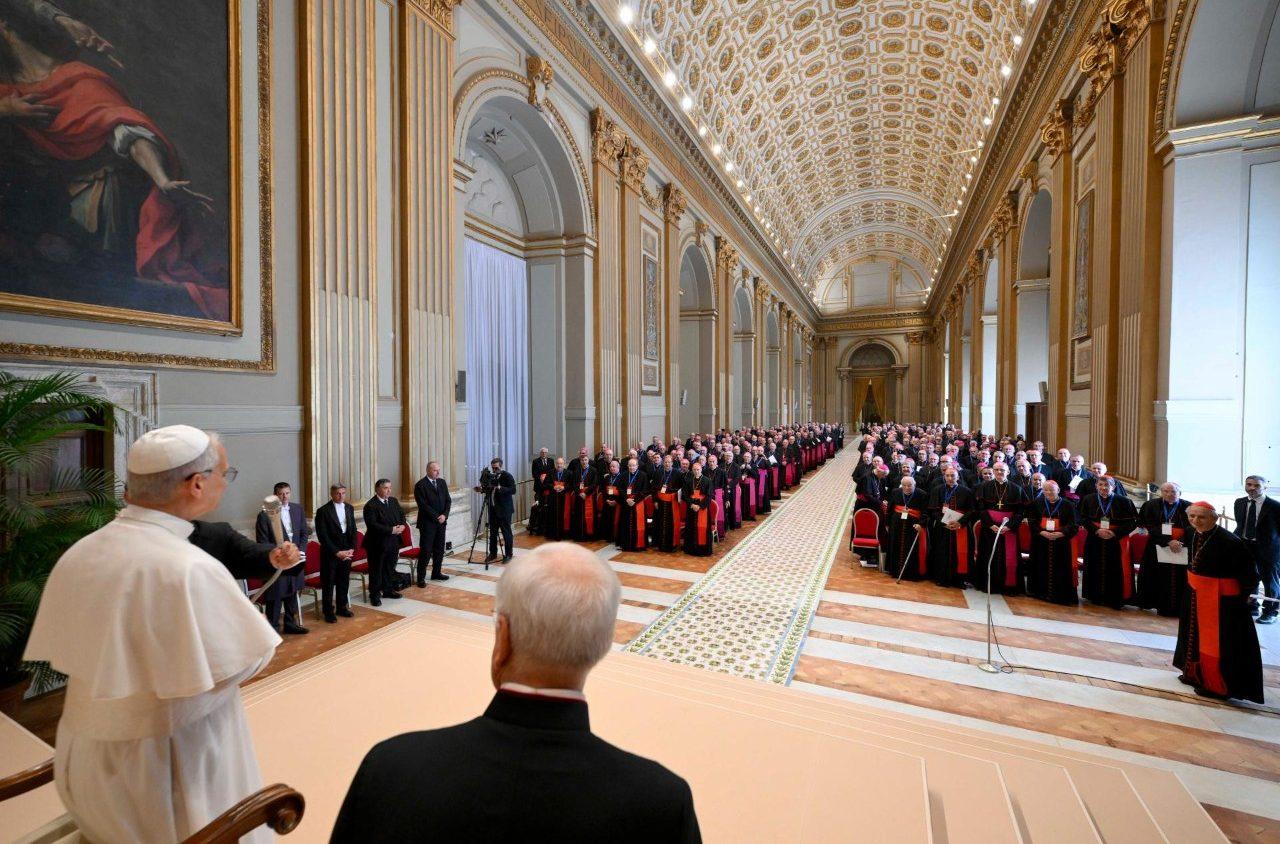
Theo Kathleen N. Hattrup, trong bản tin ngày 20/05/2026 của tạp chí Aleteia, Đức Giáo Hoàng Leo XIV bắt đầu ngày 20 tháng 5 này với một loạt các suy tư về văn kiện từ Công đồng Vatican II, văn kiện đã mang lại những thay đổi lớn trong Giáo hội.
Trong một loạt bài giáo lý chắc chắn sẽ được theo dõi sát sao, Đức Giáo Hoàng Leo hôm nay đã đề cập đến một văn kiện khác từ Công đồng Vatican II trong các buổi tiếp kiến chung dành riêng cho sự kiện này. Ngày 20 tháng 5, ngài bắt đầu suy tư về văn kiện của Công đồng về phụng vụ, Sacrosanctum Concilium.
Văn kiện này là một trong những văn kiện đáng chú ý nhất của Công đồng vì những thay đổi về phụng vụ do Công đồng mang lại là một trong những tác động ảnh hưởng nhiều nhất đến đời sống hàng ngày của các tín hữu.
Những chia rẽ xung quanh việc thực hiện những thay đổi này vẫn tiếp tục tồn tại, và trên thực tế, một nhóm bác bỏ Công đồng đang xem xét điều mà Vatican gọi là hành động ly giáo.
Hôm nay, Đức Giáo Hoàng Leo đã nói về ý nghĩa của phụng vụ, nhấn mạnh rằng phụng vụ “đồng thời là không gian, thời gian và bối cảnh mà trong đó Giáo Hội nhận lãnh sự sống của chính mình từ Chúa Kitô”.
Sau đây là bản dịch đầy đủ bài phát biểu của ngài, dựa vào bản tiếng Anh của Tòa Thánh:
~
Hôm nay chúng ta bắt đầu một loạt bài giáo lý mới về Văn kiện đầu tiên do Công đồng Vatican II ban hành: Hiến chế về phụng vụ thánh, Sacrosanctum Concilium (SC).
Khi soạn thảo Hiến chế này, các Nghị phụ Công đồng không chỉ tìm cách cải cách các nghi thức, mà còn hướng dẫn Giáo Hội chiêm niệm và đào sâu mối dây sống động cấu thành và kết hợp Giáo Hội: mầu nhiệm Chúa Kitô. Thật vậy, phụng vụ chạm đến chính trọng tâm của mầu nhiệm này: đó đồng thời là không gian, thời gian và bối cảnh mà trong đó Giáo Hội nhận lãnh sự sống của chính mình từ Chúa Kitô. Vì trong phụng vụ, “công cuộc cứu chuộc chúng ta được hoàn thành” (SC, 2), điều đó khiến chúng ta trở thành dòng dõi được chọn, chức tư tế vương giả, dân tộc thánh, dân tộc mà Thiên Chúa đã giành được cho chính Người (xem 1 Phêrô 2:9).
Như đã được thể hiện qua sự đổi mới ba chiều – Kinh Thánh, Giáo phụ và Phụng vụ – mà Giáo hội đã trải qua trong suốt thế kỷ XX, Mầu nhiệm được đề cập không phải là một thực tại mơ hồ, mà là kế hoạch cứu độ của Thiên Chúa, được giấu kín từ muôn đời và được tỏ lộ trong Chúa Kitô, theo lời khẳng định của Thánh Phaolô (xem Ê-phê-sô 3:2-6). Vậy thì, đây chính là Mầu nhiệm Kitô giáo: sự kiện Phục Sinh, nghĩa là cuộc khổ nạn, cái chết, sự phục sinh và vinh hiển của Chúa Kitô, được hiện diện cách bí tích cho chúng ta chính trong Phụng vụ, để mỗi khi chúng ta tham dự vào cộng đoàn quy tụ “nhân danh Người” (xem Mt 18:20) chúng ta được đắm mình trong Mầu nhiệm này.
Chính Chúa Kitô là nguồn mạch bên trong của mầu nhiệm Giáo Hội, dân thánh của Thiên Chúa, được sinh ra từ cạnh sườn Người bị đâm thủng trên thập giá. Trong phụng vụ thánh, nhờ quyền năng của Thánh Linh, Người tiếp tục hành động. Người thánh hóa và kết hợp Giáo Hội, cô dâu của Người, với lễ vật Người dâng lên Chúa Cha. Người thi hành chức tư tế độc nhất vô nhị của mình, Người hiện diện trong Lời được rao giảng, trong các bí tích, trong các thừa tác viên cử hành, trong cộng đoàn quy tụ và, ở mức độ cao nhất, trong Thánh Thể (xem SC, 7). Như vậy, theo Thánh Augustinô (xem Bài giảng, 277), khi cử hành Thánh Thể, Giáo hội “nhận lãnh Mình Thánh Chúa và trở nên điều mình nhận lãnh”: Giáo hội trở thành Mình Thánh Chúa Kitô, “nơi ở của Thiên Chúa trong Thánh Thần” (Ê-phê-sô 2:22). Đây là “công trình cứu chuộc chúng ta”, công trình làm cho chúng ta trở nên giống Chúa Kitô và xây dựng chúng ta trong sự hiệp thông.
Trong phụng vụ thánh, sự hiệp thông này được thực hiện qua “các nghi thức và lời cầu nguyện” (SC, 48). Tính nghi lễ của Giáo hội thể hiện đức tin của Giáo hội – phù hợp với câu nói quen thuộc lex orandi, lex credendi (luật cầu nguyện, luật tín ngưỡng) – và đồng thời định hình bản sắc Giáo hội: Lời được rao giảng, việc cử hành Bí tích, những cử chỉ, sự im lặng, không gian – tất cả những điều này đại diện và tạo hình cho dân Chúa quy tụ, Thân Thể Chúa Kitô, Đền Thánh của Chúa Thánh Thần. Mỗi buổi lễ do đó trở thành một sự hiển linh thực sự của Giáo hội trong lời cầu nguyện, như Thánh Gioan Phaolô II đã nhắc lại (Tông huấn Vicesimus quintus annus, 9).
Nếu phụng vụ phục vụ mầu nhiệm Chúa Kitô, người ta hiểu tại sao nó được định nghĩa là “đỉnh cao mà hoạt động của Giáo hội hướng tới… nguồn mạch từ đó mọi quyền năng của Giáo hội tuôn chảy” (SC, 10). Thật vậy, hoạt động của Giáo hội không chỉ giới hạn ở phụng vụ; tuy nhiên, tất cả hoạt động của Giáo hội (rao giảng, phục vụ người nghèo, đồng hành cùng thực tại con người) đều hội tụ về “đỉnh cao” này. Ngược lại, phụng vụ nâng đỡ các tín hữu bằng cách luôn luôn và lại đưa họ đắm mình trong Lễ Phục Sinh của Chúa và, do đó, thông qua việc rao giảng Lời Chúa, cử hành các bí tích và cầu nguyện cộng đồng, họ được làm mới, khích lệ và đổi mới trong cam kết với đức tin và sứ mệnh của mình. Nói cách khác, sự tham gia của các tín hữu vào hành động phụng vụ vừa mang tính “nội tại” vừa mang tính “ngoại tại”.
Điều này cũng có nghĩa là nó được kêu gọi thể hiện một cách hữu hình trong suốt cuộc sống hằng ngày, trong một đời sống đạo đức. và sức sống tâm linh, để phụng vụ được cử hành được chuyển hóa vào đời sống và đòi hỏi một đời sống trung tín, có khả năng cụ thể hóa những gì đã được trải nghiệm trong buổi cử hành: chính bằng cách này mà đời sống của chúng ta trở thành “lễ vật sống, thánh thiện và đẹp lòng Thiên Chúa”, hoàn thành “sự thờ phượng thiêng liêng” của chúng ta (Rm 12:1).
Bằng cách này, “phụng vụ hằng ngày xây dựng những người ở trong đó thành một đền thờ thánh của Chúa” (SC, 2), và hình thành một cộng đồng mở, chào đón tất cả mọi người. Thật vậy, nó được ngự bởi Chúa Thánh Thần, nó đưa chúng ta vào đời sống của Chúa Kitô, nó làm cho chúng ta thành Thân Thể của Người và, trong tất cả các chiều kích của nó, nó đại diện cho một dấu hiệu của sự hiệp nhất của toàn thể nhân loại trong Chúa Kitô. Như Đức Giáo Hoàng Phanxicô đã nói, “thế giới vẫn chưa biết điều đó, nhưng mọi người đều được mời dự tiệc cưới của Chiên Con (Khải Huyền 19:9)” (Tông huấn Desiderio desideravi, 5).
Các bạn thân mến, chúng ta hãy để cho tâm hồn mình được uốn nắn từ bên trong bởi các nghi thức, biểu tượng, cử chỉ và trên hết là sự hiện diện sống động của Chúa Kitô trong phụng vụ, điều mà chúng ta sẽ có cơ hội khám phá trong các bài Giáo lý sắp tới.
Hội nghị thượng đỉnh Trung Quốc của Tổng thống Trump không đạt được bước đột phá nào trong việc trả tự do cho Jimmy Lai
Đặng Tự Do
17:14 20/05/2026
Tổng thống Donald Trump cho biết vụ việc của Jimmy Lai là một “vấn đề khó khăn” đối với Chủ tịch Trung Quốc Tập Cận Bình, sau cuộc gặp giữa hai nhà lãnh đạo trong đó vấn đề này được đề cập.
Tổng thống Trump đã đến Bắc Kinh trong tuần này để gặp ông Tập Cận Bình về nhiều vấn đề, bao gồm cả khả năng trả tự do cho một số tù nhân chính trị.
Trả lời phóng viên sau cuộc gặp, Tổng thống Trump xác nhận rằng hai nhà lãnh đạo đã thảo luận về Jimmy Lai, người sáng lập kiêm chủ bút tờ báo ủng hộ dân chủ Apple Daily, người bị kết án 20 năm tù vì tội vi phạm an ninh quốc gia theo cáo buộc của các quan chức Trung Quốc.
“Tôi không muốn đánh lừa bất cứ ai,” Tổng thống Trump nói. Ông Tập Cận Bình “nói rằng Jimmy Lai là một trường hợp khó đối với ông ấy.”
“Họ đã trải qua rất nhiều khó khăn, dù đúng hay sai, họ đã phải chịu đựng rất nhiều, vì vậy ông ấy nói với tôi rằng đó sẽ là một vấn đề khó khăn,” Tổng thống Trump nói.
“ Tôi nghĩ ông ấy đang cân nhắc rất nghiêm chỉnh về trường hợp của vị mục sư,” ông nói, đề cập đến Mục sư Kim Minh Nhật (Jin Mingri, 金明日) còn được gọi là Dĩ Tư Lạp Kim (Ezra Jin, 以斯拉·金) - một mục sư Kitô giáo bị Đảng Cộng sản Trung Quốc giam giữ.
Mặc dù không đạt được thỏa thuận về việc trả tự do cho ông Lai, con gái ông, Claire Lai, đã nói với EWTN News rằng gia đình cô “vô cùng biết ơn Tổng thống Trump và chính quyền của ông vì sự ủng hộ liên tục và cam kết đối với” vụ việc của cha cô.
“Tổng thống Trump lần đầu tiên nêu vấn đề vụ án Jimmy Lai ở Nam Hàn vào cuối năm 2025, và lần này ông ấy lại nhắc đến nó,” bà nói. “Dĩ nhiên, ước mơ của tôi là cha tôi được trở về trên chuyên cơ Air Force One, nhưng tôi vẫn vô cùng tin tưởng rằng chính ông ấy và chính quyền của ông ấy sẽ bảo đảm việc cha tôi được trả tự do.”
“Hôm qua là Giáo Hội mừng lễ Thăng Thiên…” Claire Lai nói. “Và trước đó, Ngài đã hứa rằng Ngài sẽ lên trời để có thể sai Thánh Linh xuống.”
“Vì vậy… trong những ngày tới, tôi hy vọng rằng Chúa Thánh Thần sẽ lay động trái tim của Chủ tịch Tập Cận Bình và ông ấy sẽ nhận ra sự khôn ngoan trong việc trả tự do cho người cha già yếu của tôi, người không hề làm điều gì sai trái,” bà nói.
“Cha tôi là người phản đối bạo lực, ủng hộ dân chủ, ủng hộ tự do báo chí, tự do ngôn luận và ủng hộ độc lập cho Hương Cảng. Và tất cả những gì cha tôi muốn là các quyền mà Trung Quốc đã hứa trong Tuyên bố chung Anh-Trung được giữ vững, những lời hứa đó phải được thực hiện,” bà nói.
“Mọi việc cha tôi làm vào thời điểm đó đều hoàn toàn hợp pháp. Đó là lý do tại sao trong phiên tòa gần đây nhất… 99% bằng chứng họ đưa ra đều từ trước khi Luật An ninh Quốc gia có hiệu lực.”
“Cha tôi là biểu tượng của tự do đối với rất nhiều người, nhưng cha tôi còn là biểu tượng của hy vọng. Cha tôi là biểu tượng của đức tin,” bà nói. “Tôi nghĩ có lẽ điều đó còn đúng hơn kể từ khi cha tôi bị giam cầm bởi vì… trong sự tĩnh lặng của phòng giam và trong nỗi đau đớn tột cùng, cha tôi thực sự đã hiểu được lòng thương xót vô bờ bến và ân sủng dạt dào của Chúa.”
Bà nói tiếp: “Tôi biết rằng… Chúa nhân từ và Đức Mẹ Maria sẽ tiếp tục che chở cho cha tôi như các ngài vẫn luôn làm.”
Source:National Catholic Register
Nhật Ký Trừ Tà số 395: Odium Fidei – Lòng căm thù đức tin
Đặng Tự Do
17:15 20/05/2026
Đức Ông Stephen Rossetti, Nhà Trừ Tà của giáo phận Syracuse, phó giáo sư nghiên cứu tại Đại học Công Giáo Hoa Kỳ vừa có bài viết nhan đề “Exorcist Diary #395: Odium Fidei”, nghĩa là “Nhật Ký Trừ Tà số 395: Odium Fidei – Lòng căm thù đức tin”.
Tôi không thể nghĩ ra ai có lòng căm thù đức tin Công Giáo (Odium Fidei) lớn hơn Satan và lũ quỷ của hắn. Mỗi Nhà Trừ Tà đều cảm nhận được lòng căm thù tột độ của ma quỷ đối với Giáo hội, các linh mục và tất cả những gì thuộc về Công Giáo như nước thánh, thánh tích, thánh giá, Thánh Thể, Đức Mẹ Đồng Trinh và nhiều hơn nữa. Sự hiện diện của lòng căm thù mãnh liệt này trong một buổi trừ tà là một dấu hiệu mạnh mẽ cho thấy ma quỷ thực sự hiện diện.Những tay sai của Satan cũng phản ánh lòng thù hận đức tin ấy. Những kẻ thờ Satan bắt chước các nghi lễ của Công Giáo, bao gồm cả Thánh lễ Đen, và cố gắng lấy được bánh thánh đã được thánh hiến từ nhà thờ Công Giáo. Một người phụ nữ mặc đồ đen, bị camera an ninh ghi lại, đã đánh cắp một số thánh tích của các vị thánh từ một trong những người trừ tà của chúng tôi. Các linh mục, cũng như các thừa tác viên Công Giáo trung thành, là mục tiêu của bùa chú và lời nguyền rủa của phù thủy. Những kẻ tìm cách phá hoại Giáo hội đang làm “việc của cha chúng” (Ga 8:41).
Trên phạm vi rộng hơn, các vụ tấn công nhằm vào các nhà thờ Công Giáo đã gia tăng mạnh trong vài năm gần đây. Từ năm 2018 đến năm 2024, các hành vi thù địch chống lại tất cả các tín hữu Kitô giáo đã tăng hơn 800%, trong đó Giáo Hội Công Giáo là mục tiêu đặc biệt. Đã có hơn 560 trường hợp được ghi nhận về việc đốt phá, đập vỡ cửa kính, chặt đầu tượng, vẽ bậy mang tính chất ma quỷ, và đặc biệt là các tội phạm liên quan đến súng nhằm vào các nhà thờ và người Công Giáo. Điều này không hề xảy ra, ít nhất là không ở mức độ này, chỉ vài thập niên trước.
Điều đó có nghĩa là gì? Trước hết, tôi coi đó như một lời khen ngầm. Nếu Satan và tay sai của hắn đặc biệt căm ghét Giáo Hội Công Giáo và đang cố gắng tiêu diệt nó, thì Giáo hội hẳn phải có một vai trò độc đáo và mạnh mẽ trong việc chống lại các thế lực tà ác. Tôi tin là vậy. Tôi đã trải nghiệm điều này trong một buổi trừ tà.
Thứ hai, sự gia tăng các hành vi xúc phạm và bạo lực công khai như vậy đang đạt đến đỉnh điểm. Tôi không cho rằng “Ngày Tận Thế” đang đến gần. Nhưng chắc chắn đang có một trận chiến tâm linh lớn diễn ra công khai, một trận chiến mà đã lâu rồi chưa từng thấy. Nhưng Chúa Giêsu và Giáo Hội của Ngài đã chiến thắng một cách dứt khoát.
Tôi nghĩ điều này có ý nghĩa quan trọng đối với tất cả mọi người. Một trong những dấu hiệu của sự thánh thiện giữa các vị thánh vĩ đại là, và vẫn còn là, tình yêu đối với Giáo Hội. Nhận thức được những hạn chế của con người trong các vị lãnh đạo, các vị thánh yêu mến Giáo Hội vì đó là thân thể của Chúa Kitô. Không chỉ là một thể chế do con người xây dựng, Giáo Hội còn được thấm nhuần Chúa Thánh Thần và là “Cô dâu của Chúa Kitô” (Êphê-sô 5, Khải Huyền 21). Ngược lại, Sa-tan và những kẻ dưới quyền hắn có lòng thù ghét đức tin; chúng căm ghét Chúa Giêsu và Giáo Hội của Ngài, và đang cố gắng hủy diệt Giáo Hội.
Trong thời điểm căng thẳng của cuộc chiến tâm linh này, lời khuyên tốt nhất của tôi là: hãy ở trong con thuyền của Phê-rô, yêu mến Giáo hội và đức tin, bám chặt vào Chúa Giêsu và “Cô dâu” của Ngài. Bạn sẽ được dẫn về nhà an toàn.
Source:Catholic Exorcism
SSPX đáp trả cảnh báo của Vatican về việc bị vạ tuyệt thông bằng Tuyên ngôn về Đức tin Công Giáo
Đặng Tự Do
17:16 20/05/2026
Tuần này, Huynh Đoàn Thánh Piô X, gọi tắt là SSPX theo chủ nghĩa truyền thống đã gửi một tuyên bố đức tin tới Đức Giáo Hoàng Lêô XIV, mà họ gọi là “những điều tối thiểu cần thiết để hiệp thông với Giáo hội”.
Trong phần giới thiệu cho “Tuyên ngôn Đức tin Công Giáo” — được đăng tải ngày 14 tháng 5 trên trang web của hội — SSPX cho biết rằng trong hơn 50 năm qua, họ đã nêu lên vấn đề về những gì họ tin là “những sai lầm đang phá hoại đức tin và luân lý Công Giáo”, nhưng nhóm này chưa bao giờ nhận được “bất kỳ câu trả lời thực sự thỏa đáng” nào từ Tòa Thánh.
Bản tuyên bố, được ký bởi Cha Davide Pagliarani, bề trên tổng quyền của SSPX, cho biết họ “đặt bản Tuyên ngôn Đức tin đơn giản này” vào tay Đức Giáo Hoàng Lêô: “Chúng tôi cho rằng nó đáp ứng mức tối thiểu cần thiết để hiệp thông với Giáo hội, để tự gọi mình là người Công Giáo đích thực và, do đó, là con cái của Chúa. “
Ngày 13 tháng 5, Hồng Y Víctor Manuel Fernández, nhà lãnh đạo Bộ Giáo lý Đức tin, gọi tắt là DDF của Vatican, đã đưa ra một tuyên bố ngắn gọn, cảnh báo rằng nếu SSPX thực hiện “hành vi ly giáo” là phong chức giám mục mới mà không có sự cho phép của Đức Giáo Hoàng — như nhóm này đã tuyên bố sẽ làm vào ngày 1 tháng 7 — thì sẽ dẫn đến việc bị vạ tuyệt thông theo luật giáo hội.
Đức Hồng Y Fernández cũng cho biết Đức Giáo Hoàng Lêô XIV đang cầu nguyện để các lãnh đạo của SSPX “xem xét lại quyết định rất nghiêm trọng mà họ đã đưa ra”.
Trong tuyên bố sau phát biểu của Hồng Y Fernández, Huynh Đoàn tái khẳng định giáo lý Công Giáo về sự tồn tại của chỉ một đức tin và một Giáo hội duy nhất, và rằng Chúa Giêsu Kitô là Đấng trung gian duy nhất giữa Thiên Chúa và loài người.
Tuyên bố này dường như bác bỏ một văn bản do DDF ban hành năm ngoái, trong đó nêu rõ rằng “Đồng Cứu Chuộc” không phải là cách thích hợp để mô tả sự tham gia của Đức Trinh Nữ Maria vào ơn cứu độ vì “nó mang nguy cơ làm lu mờ vai trò độc nhất vô nhị của Chúa Giêsu Kitô.”
SSPX tuyên bố: “Theo sắc lệnh của Thiên Chúa, Đức Trinh Nữ Maria đã trực tiếp và mật thiết gắn bó với toàn bộ công cuộc Cứu chuộc; do đó, phủ nhận sự gắn bó này — theo cách hiểu từ Truyền thống — là làm thay đổi chính khái niệm về sự Cứu chuộc như đã được Thiên Chúa Quan phòng định đoạt.”
Bản “tuyên ngôn đức tin Công Giáo” dường như cũng ám chỉ một cách gián tiếp đến một số vấn đề thần học mà SSPX đang tranh luận, chủ yếu liên quan đến việc giải thích giáo huấn sau Công đồng Vatican II, bao gồm ý muốn của Chúa về sự đa dạng tôn giáo; và các mức độ chấp thuận khác nhau được yêu cầu bởi các văn bản khác nhau của Công đồng Vatican II và cách giải thích chúng.
Ví dụ, tuyên bố của Huynh Đoàn nói rằng sự cần thiết phải là một phần của Giáo Hội Công Giáo để cứu rỗi linh hồn “liên quan đến toàn thể nhân loại không có ngoại lệ và bao gồm không phân biệt Kitô hữu, Do Thái giáo, Hồi giáo, ngoại giáo và vô thần” và rằng mệnh lệnh “cải đạo mọi người sang đức tin Công Giáo vẫn có hiệu lực cho đến tận cùng thời gian và đáp ứng nhu cầu tuyệt đối và cấp bách nhất trên thế giới.”
Bản tuyên bố cũng nói rằng một cặp sống theo “lối sống” bao gồm “tội lỗi ô uế” cần được giúp đỡ để giải thoát khỏi tội lỗi và rằng cặp đó “không thể được ban phước lành – chính thức hay không chính thức – bởi các thừa tác viên của Giáo hội” – dường như là ám chỉ đến tuyên bố Fiducia Supplicans năm 2023 của Đức Giáo Hoàng Phanxicô, cho phép các linh mục ban phước lành riêng tư, không thuộc nghi lễ phụng vụ, cho các cặp đôi đồng giới.
Source:National Catholic Register
Hai tay súng tuổi thiếu niên hạ sát 3 người trong một vụ tấn công được tường trình do thù hận tại một trung tâm Hồi giáo ở California
Đặng Tự Do
17:17 20/05/2026
Hai tay súng tuổi thiếu niên đã nổ súng vào Trung tâm Hồi giáo San Diego, California hôm thứ Hai, giết chết ba người đàn ông bên ngoài đền thờ Hồi giáo, trong đó có một nhân viên bảo vệ, trước khi hai nghi phạm được tìm thấy đã chết, dường như do tự sát bằng súng, cảnh sát cho biết.
Theo cảnh sát trưởng Scott Wahl của thành phố San Diego, tất cả trẻ em theo học tại một trường học ban ngày thuộc trung tâm này – là đền thờ Hồi giáo lớn nhất trong khu vực gần biên giới Mexico - đều đã được xác định danh tính và an toàn sau vụ xả súng xảy ra ngay trước 12 giờ trưa theo giờ địa phương.
Ông Wahl cho biết FBI đã được triệu tập để hỗ trợ điều tra vụ việc, mà theo lời cảnh sát trưởng thì các nhà chức trách đang xem là một tội ác do thù hận, mặc dù chưa có động cơ nào được đưa ra cho vụ xả súng.
Vụ tấn công xảy ra một tuần trước lễ Eid al-Adha, một ngày lễ lớn của người Hồi giáo (hay còn gọi là Lễ tế lễ hy sinh), và cuộc hành hương Hajj hàng năm của các tín hữu Hồi giáo đến thánh địa Mecca ở Ả Rập Xê Út.
“Chúng tôi chưa từng trải qua thảm kịch nào như thế này trước đây,” Taha Hassane, imam kiêm giám đốc Trung tâm Hồi giáo, phát biểu với các phóng viên. “Việc tấn công vào một nơi thờ phượng là vô cùng tàn bạo.”
Hàng chục viên chức cảnh sát được gọi đến hiện trường đã phát hiện thi thể của ba người đàn ông có liên hệ với đền thờ Hồi giáo bị bắn chết bên ngoài tòa nhà, trong đó có một nhân viên bảo vệ mà các quan chức cho rằng có thể đã giúp ngăn chặn đổ máu thêm.
Một thời gian ngắn sau, cảnh sát phát hiện thi thể của hai nam thiếu niên, 17 và 19 tuổi, trong một chiếc xe giữa đường, dường như đã chết do tự bắn vào mình, theo lời cảnh sát trưởng trong một cuộc họp báo chiều nay.
Cùng lúc cảnh sát đồng loạt phản ứng trước tiếng súng nổ tại đền thờ Hồi giáo, cũng có tiếng súng bắn vào một người làm vườn cách đó vài dãy nhà, mặc dù nhà chức trách không nói rõ liệu các nhà điều tra có tin rằng hai vụ việc này có liên quan đến nhau hay không. Người làm vườn không bị thương, ông Wahl cho biết.
Cảnh sát trưởng cho biết các nhà điều tra vẫn đang thu thập thông tin chi tiết về nguyên nhân dẫn đến vụ nổ súng và diễn biến của vụ bạo lực.
Wahl cho biết 50 đến 100 viên chức cảnh sát từ khắp khu vực San Diego đã ngay lập tức phản hồi cuộc gọi đầu tiên về “vụ xả súng” và trong vòng bốn phút đã tập trung tại đền thờ Hồi giáo, nằm trong khu dân cư - thương mại Clairemont của thành phố đông dân thứ hai của California.
Hình ảnh từ các đài truyền hình địa phương cho thấy hàng chục xe tuần tra trên một cây cầu xa lộ cạnh Trung tâm Hồi giáo, với các viên chức cảnh sát chĩa súng trường vào cơ sở này và xe của họ bao vây khu vực xung quanh.
Cảnh sát mặc trang phục chiến thuật, trang bị súng trường, được nhìn thấy đóng quân trên mái đền thờ Hồi giáo gần vòm, và hình ảnh truyền hình từ hiện trường cho thấy các sĩ quan vũ trang đang tiến vào khu phức hợp trên mặt đất.
Wahl cho biết lực lượng cảnh sát không nổ súng trong vụ việc này.
Trung tâm Hồi giáo ở Clairemont là đền thờ Hồi giáo lớn nhất ở hạt San Diego và là nơi đặt Học viện Bright Horizon, một trường học cung cấp giáo dục Hồi giáo, theo trang web của trung tâm.
Mặc dù bạo lực súng đạn ngẫu nhiên đã trở thành hiện tượng phổ biến ở những nơi công cộng trên khắp nước Mỹ, nhưng cộng đồng Hồi giáo và Do Thái đặc biệt lo ngại kể từ khi lực lượng Mỹ và Israel tiến hành các cuộc không kích vào Iran ngày 28 tháng 2, và Iran đáp trả bằng các cuộc không kích của riêng mình vào Israel và một số quốc gia vùng Vịnh, châm ngòi cho một cuộc chiến tranh leo thang trong khu vực.
Vào tháng 3, một công dân Mỹ gốc Liban 41 tuổi đã tự sát sau khi đâm xe tải của mình vào ngôi đền Do Thái lớn nhất ở Michigan, nổ súng vào các nhân viên bảo vệ và gây ra một vụ nổ bằng pháo hoa. Ngôi đền Do Thái gần Detroit này, giống như đền thờ Hồi giáo ở San Diego, cũng có một trường học ban ngày.
Tổng thống Donald Trump mô tả vụ xả súng là một “tình huống khủng khiếp”.
“Tôi đã nhận được một số thông tin cập nhật ban đầu, nhưng chúng tôi sẽ xem xét lại vấn đề này một cách kỹ lưỡng,” ông nói với các phóng viên.
Văn phòng báo chí của Thống đốc bang Gavin Newsom cho biết ông đã được thông báo về vụ tấn công rõ ràng này.
“Chúng tôi biết ơn những người ứng cứu đầu tiên tại hiện trường đang làm việc để bảo vệ cộng đồng và kêu gọi mọi người tuân theo hướng dẫn từ chính quyền địa phương,” bài đăng trên X cho biết.
Source:Times Of Israel
VietCatholic TV
Tập bật mí cho TT Trump: Putin hối hận đã lỡ dại đánh Ukraine. Xóa sổ nhà máy lọc dầu lớn nhất Nga
VietCatholic Media
03:48 20/05/2026
1. Ông Tập Cận Bình nói với Tổng thống Trump rằng Putin “hối hận” về cuộc chiến tranh Ukraine, trong khi Tổng thống Mỹ tấn công vào Tòa án Hình sự Quốc tế, gọi tắt là ICC.
Tuần trước, trong cuộc hội đàm tại Bắc Kinh, Chủ tịch Trung Quốc Tập Cận Bình đã nói với Tổng thống Donald Trump rằng nhà lãnh đạo Nga Vladimir Putin hối hận vì đã phát động cuộc xâm lược toàn diện Ukraine.
Theo báo cáo của Financial Times, gọi tắt là FT, dẫn lời những người quen thuộc với các cuộc thảo luận, ông Tập Cận Bình đã đưa ra nhận xét này trong các cuộc trò chuyện rộng rãi bao gồm cả vấn đề Ukraine và các vấn đề địa chính trị rộng hơn.
Cuộc đàm phán diễn ra trong chuyến thăm Trung Quốc của Tổng thống Trump – chỉ là cuộc gặp thứ hai giữa hai nhà lãnh đạo kể từ khi Tổng thống Trump trở lại Tòa Bạch Ốc.
Báo cáo của FT cũng so sánh giọng điệu của ông Tập trong các cuộc gặp trước đó. Một người quen thuộc với các cuộc thảo luận trước đây của ông với cựu Tổng thống Mỹ Joe Biden cho biết, mặc dù các cuộc đàm phán về Ukraine diễn ra “thẳng thắn và trực tiếp”, ông Tập đã không đưa ra đánh giá cá nhân nào về Putin hay cuộc chiến.
Các nguồn tin được tờ Financial Times trích dẫn cho biết cuộc thảo luận cũng bao gồm một đề xuất gây tranh cãi từ Tổng thống Trump rằng Hoa Kỳ, Trung Quốc và Nga nên hợp tác chống lại Tòa án Hình sự Quốc tế, gọi tắt là ICC, cho thấy lợi ích của họ trùng khớp.
Mặc dù Tòa Bạch Ốc từ chối bình luận về cả phát biểu của ông Tập Cận Bình và cuộc thảo luận về Tòa án Hình sự Quốc tế, gọi tắt là ICC, chính quyền Trump trước đây đã chỉ trích tòa án này, cáo buộc nó thiên vị chính trị, lạm quyền và xâm phạm chủ quyền của Mỹ. Một số quan chức Mỹ đã mô tả ICC như một công cụ “chiến tranh pháp lý” chống lại lợi ích của Mỹ. Tổng thống Trump cũng có lý do để lo sợ ICC vì Iran cho rằng Tổng thống Trump là tội phạm chiến tranh trong vụ tấn công vào trường tiểu học Minab hôm 28 Tháng Hai, giết chết từ 150 đến 170 trẻ thơ từ 7 đến 12 tuổi. Tập Cận Bình cũng sợ ICC vì bị cáo buộc diệt chủng từ 1 đến 3 triệu người Duy Ngô Nhĩ.
Trung Quốc chính thức giữ lập trường trung lập về cuộc xâm lược Ukraine của Nga, mặc dù các chính phủ phương Tây đã nhiều lần cáo buộc Bắc Kinh gián tiếp ủng hộ Mạc Tư Khoa, bao gồm cả việc cung cấp hàng hóa lưỡng dụng.
Cuộc chiến do Nga phát động vào tháng 2 năm 2022 bắt đầu ngay sau khi Putin và Xi tuyên bố thiết lập quan hệ đối tác “không giới hạn” trong một cuộc gặp cao cấp ở Bắc Kinh.
Tuyên bố được tường trình của ông Tập Cận Bình được đưa ra khi Putin đang trên đường đến Bắc Kinh vào thứ Ba, để có chuyến thăm kéo dài hai ngày gặp gỡ các bộ trưởng, quan chức và lãnh đạo doanh nghiệp.
Điện Cẩm Linh cho biết phái đoàn của Putin bao gồm các bộ trưởng cao cấp và các lãnh đạo hàng đầu, và các cuộc đàm phán tại Bắc Kinh dự kiến sẽ tập trung vào quan hệ song phương, năng lượng và các vấn đề toàn cầu.
Một ưu tiên quan trọng đối với Putin sẽ là thăm dò lập trường của Trung Quốc sau cuộc gặp giữa Tập Cận Bình và Tổng thống Trump. Mặc dù hội nghị thượng đỉnh không mang lại bước đột phá lớn nào, nhưng nó đã nhấn mạnh những nỗ lực nhằm quản lý căng thẳng về thương mại, Đài Loan và Iran.
Đối với Mạc Tư Khoa, mối lo ngại là liệu nỗ lực của Bắc Kinh nhằm thiết lập quan hệ ổn định với phương Tây có thể gây tổn hại cho Nga hay không, ngay cả khi Trung Quốc tiếp tục duy trì quan hệ cân bằng với cả Washington và Mạc Tư Khoa.
Năng lượng sẽ là vấn đề trọng tâm. Putin dự kiến sẽ thúc đẩy dự án đường ống dẫn khí đốt Power of Siberia 2 bị đình trệ từ lâu, nhằm mục đích chuyển hướng xuất khẩu khí đốt sang Trung Quốc. Nhưng Bắc Kinh đang nắm giữ ưu thế, có khả năng yêu cầu giá thấp hơn khi Nga phải đối mặt với các lệnh trừng phạt, thị trường phương Tây thu hẹp và áp lực lên doanh thu năng lượng.
Putin cũng sẽ tìm cách duy trì dòng chảy thương mại và công nghệ đã giúp giảm nhẹ tác động của các lệnh trừng phạt. Trung Quốc đã trở thành đối tác thương mại hàng đầu của Nga kể từ cuộc xâm lược toàn diện, cung cấp hàng hóa hỗ trợ ngành công nghiệp quốc phòng của nước này.
Chuyến thăm trùng với kỷ niệm 25 năm Hiệp ước Nga-Trung năm 2001, tạo cơ hội để thể hiện mối quan hệ đối tác chiến lược ổn định. Cả hai bên đều mô tả mối quan hệ này là “đặc quyền”, với việc Putin nói rằng họ ủng hộ lẫn nhau trong các vấn đề chủ quyền.
Trong khi đó, Mạc Tư Khoa đang phải đối mặt với áp lực ngày càng tăng từ các cuộc tấn công của Ukraine vào lĩnh vực năng lượng của nước này. Tổng thống Volodymyr Zelenskiy cho biết các cuộc tấn công gần đây đã làm giảm sản lượng lọc dầu của Nga 10% và buộc một số công ty phải đóng cửa các giếng dầu, đồng thời cho biết thêm rằng thâm hụt ngân sách của Nga đã vượt quá kế hoạch hàng năm.
“Putin đang dẫn nước Nga đến bờ vực phá sản”, ông nói thêm.
Những cuộc tấn công bằng máy bay điều khiển từ xa gần Mạc Tư Khoa gần đây của Ukraine được Tổng thống Zelenskiy mô tả là “hoàn toàn chính đáng” sau cuộc tấn công trên không kỷ lục của Nga vào Kyiv.
Các cuộc tấn công của Nga diễn ra sau một thỏa thuận ngừng bắn ngắn ngủi kéo dài ba ngày được tường trình do Tổng thống Trump làm trung gian, cho phép Nga tổ chức cuộc duyệt binh Ngày Chiến thắng hàng năm mà không bị đe dọa bởi các cuộc tấn công bằng máy bay điều khiển từ xa của Ukraine.
[Newsweek: Xi Told Trump Putin May ‘Regret’ War on Ukraine, US President Targeted ICC]
2. Ukraine chế tạo thành công loại bom lượn có điều khiển đầu tiên trong nước, sẵn sàng đưa vào sử dụng trong chiến đấu.
Hôm Thứ Ba, 19 Tháng Năm, Bộ trưởng Quốc phòng Ukraine Mykhailo Fedorov thông báo nước này đã phát triển thành công loại bom lượn có điều khiển đầu tiên do trong nước sản xuất, sẵn sàng đưa vào sử dụng trong chiến đấu.
Sự phát triển này rất quan trọng vì bom lượn là một loại vũ khí thô sơ nhưng có sức tàn phá cao, được sử dụng rộng rãi ở các khu vực tiền tuyến. Nga đã liên tục cải tiến loại bom này để tăng tầm bắn và sức tàn phá, biến chúng thành một trong những mối đe dọa lớn nhất đối với cả các vị trí đóng quân của Ukraine và dân thường gần tiền tuyến.
Theo Fedorov, bom lượn do Ukraine sản xuất mang đầu đạn nặng 250 kg và mất 17 tháng để phát triển. Bộ Quốc phòng đã mua lô thử nghiệm đầu tiên, trong khi các phi công hiện đang diễn tập các kịch bản chiến đấu và điều chỉnh vũ khí để sử dụng trong điều kiện chiến tranh thực tế.
“Đây không phải là bản sao các giải pháp của phương Tây hay Liên Xô, mà là một phát triển độc đáo của các kỹ sư Ukraine, được thiết kế để tấn công hiệu quả các công sự, sở chỉ huy và các mục tiêu khác của địch cách tiền tuyến hàng chục km sau khi phóng,” Fedorov nói.
Bom lượn là loại bom thông thường được thả từ máy bay, được trang bị cánh và hệ thống dẫn đường, cho phép nó di chuyển quãng đường dài sau khi được máy bay thả xuống thay vì rơi trực tiếp xuống mục tiêu.
Cho đến nay, Ukraine vẫn dựa vào các bộ dụng cụ đạn dược tấn công trực tiếp chung, gọi tắt là JDAM do phương Tây cung cấp để cải tiến các loại bom thông thường thành bom lượn.
[Kyiv Independent: Ukraine develops 1st domestically produced guided glide bomb, ready for combat use]
3. Các vụ nổ rung chuyển Yaroslavl của Nga khi Ukraine được tường trình đã tấn công vào cơ sở hạ tầng dầu mỏ bằng máy bay điều khiển từ xa.
Theo truyền thông và các quan chức địa phương của Nga, các vụ nổ đã được báo cáo tại thành phố Yaroslavl vào sáng ngày 19 tháng 5, sau một vụ tấn công bằng máy bay điều khiển từ xa.
Trước đây, quân Ukraine thường chỉ tấn công vào ban đêm nhưng thời gian gần đây họ tung ra các loại siêu drone có khả năng chống tác chiến điện tử cao hơn nên các cuộc tấn công diễn ra giữa ban ngày gây khiếp đảm cho dân chúng Nga, những người chứng kiến chiến tranh diễn ra ngay trước mắt họ.
Thống đốc tỉnh Yaroslavl, Mikhail Yevrayev, cho biết khu vực này đã bị tấn công bằng máy bay điều khiển từ xa của Ukraine và thông báo về việc hạn chế giao thông trên một tuyến xa lộ quan trọng dẫn từ thành phố này đến Mạc Tư Khoa.
Nhà chức trách đã phong tỏa một phần tuyến đường và kêu gọi người dân tránh khu vực này hoặc sử dụng các tuyến đường thay thế vì lý do an toàn.
Thị trưởng Mạc Tư Khoa Sergei Sobyanin cũng thông báo về một vụ tấn công bằng máy bay điều khiển từ xa nhằm vào thủ đô, cho biết bốn máy bay điều khiển từ xa đã bị bắn hạ và có “mảnh vỡ rơi xuống”.
Yaroslavl nằm cách biên giới Ukraine với Nga khoảng 700 km và cách Mạc Tư Khoa khoảng 230 km về phía đông bắc, trong khi Rostov-on-Don nằm ở miền nam nước Nga, cách tiền tuyến ở Ukraine khoảng 230 km.
Ukraine thường xuyên tấn công các cơ sở hạ tầng dầu mỏ nằm sâu bên trong lãnh thổ Nga và các vùng lãnh thổ bị tạm chiếm nhằm làm suy yếu khả năng tiếp tục tiến hành chiến tranh của Mạc Tư Khoa chống lại Ukraine.
[Kyiv Independent: Explosions rock Russia's Yaroslavl as Ukraine reportedly targets oil infrastructure in drone strike]
4. Vance cho rằng Iran sẽ là “quân cờ domino đầu tiên” trong cuộc đua giành vũ khí hạt nhân giữa các quốc gia.
Phó Tổng thống JD Vance đã hồi sinh “lý thuyết domino” thời Chiến tranh Lạnh để biện minh cho cuộc chiến, nói rằng nếu không ngăn chặn tham vọng hạt nhân của Iran thì các quốc gia khác cũng sẽ theo đuổi vũ khí nguyên tử.
“Nếu mọi quốc gia trên thế giới đều tranh giành để sở hữu vũ khí hạt nhân, điều đó sẽ khiến tất cả chúng ta trở nên kém an toàn hơn rất nhiều”, Vance nói với các phóng viên tại cuộc họp báo ở Tòa Bạch Ốc. “Và Iran thực sự sẽ là quân cờ domino đầu tiên.”
Trong thời kỳ Chiến tranh Lạnh với Liên Xô, các nhà hoạch định chính sách của Mỹ lập luận rằng nếu một quốc gia trở thành cộng sản, điều đó có thể khiến các quốc gia láng giềng cũng rơi vào vòng xoáy cộng sản như hiệu ứng domino.
Điều này dẫn đến những nỗ lực nhằm ngăn chặn sự lan rộng của chủ nghĩa cộng sản và kết quả là Mỹ đã can thiệp vào Việt Nam và các quốc gia khác.
Tuy nhiên, lập luận của phó tổng thống Vance xem ra có vẻ trẻ con. Khả năng một quốc gia có thể sở hữu vũ khí hạt nhân rất khó khăn. Nó đòi hỏi phải có các khoa học gia, công nghệ, và khả năng tài chính rất lớn. Nhiều quốc gia ăn còn không đủ no mơ chi đến việc sở hữu vũ khí hạt nhân. Do đó, khả năng mọi quốc gia trên thế giới đều tranh giành để sở hữu vũ khí hạt nhân như phó tổng thống Vance nói rất rất xa vời.
Trong cuộc họp báo tại Tòa Bạch Ốc hôm thứ Ba, Phó Tổng thống JD Vance cũng được hỏi liệu ông có tin rằng người Iran sẽ đạt được thỏa thuận hay không. Ông Vance cho biết chính người Iran có thể chưa rõ ràng về hướng đi của họ, và không phải lúc nào cũng rõ ràng họ muốn gì.
“Vậy cá nhân tôi có tin điều đó không? Câu trả lời thành thật là, làm sao tôi có thể biết được chứ?” Vance nói. “Bạn đàm phán với mọi người và đôi khi bạn cảm thấy mình đang tiến triển, đôi khi lại cảm thấy không có tiến triển gì. Điều tôi nghĩ, điều tôi nghĩ thôi, là người Iran muốn đạt được một thỏa thuận.”
“Nhưng tôi sẽ không khẳng định chắc chắn rằng chúng ta sẽ đạt được thỏa thuận cho đến khi chúng ta thực sự ký kết một thỏa thuận dàn xếp đã được đàm phán,” ông nói thêm.
[CBSNews: Vance says Iran would be “first domino” in race by countries to get nuclear weapons]
5. Hai tay súng tuổi thiếu niên hạ sát 3 người trong một vụ tấn công được tường trình do thù hận tại một trung tâm Hồi giáo ở California.
Hai tay súng tuổi thiếu niên đã nổ súng vào Trung tâm Hồi giáo San Diego, California hôm thứ Hai, giết chết ba người đàn ông bên ngoài đền thờ Hồi giáo, trong đó có một nhân viên bảo vệ, trước khi hai nghi phạm được tìm thấy đã chết, dường như do tự sát bằng súng, cảnh sát cho biết.
Theo cảnh sát trưởng Scott Wahl của thành phố San Diego, tất cả trẻ em theo học tại một trường học ban ngày thuộc trung tâm này – là đền thờ Hồi giáo lớn nhất trong khu vực gần biên giới Mexico - đều đã được xác định danh tính và an toàn sau vụ xả súng xảy ra ngay trước 12 giờ trưa theo giờ địa phương.
Ông Wahl cho biết FBI đã được triệu tập để hỗ trợ điều tra vụ việc, mà theo lời cảnh sát trưởng thì các nhà chức trách đang xem là một tội ác do thù hận, mặc dù chưa có động cơ nào được đưa ra cho vụ xả súng.
Vụ tấn công xảy ra một tuần trước lễ Eid al-Adha, một ngày lễ lớn của người Hồi giáo (hay còn gọi là Lễ tế lễ hy sinh), và cuộc hành hương Hajj hàng năm của các tín hữu Hồi giáo đến thánh địa Mecca ở Ả Rập Xê Út.
“Chúng tôi chưa từng trải qua thảm kịch nào như thế này trước đây,” Taha Hassane, imam kiêm giám đốc Trung tâm Hồi giáo, phát biểu với các phóng viên. “Việc tấn công vào một nơi thờ phượng là vô cùng tàn bạo.”
Hàng chục viên chức cảnh sát được gọi đến hiện trường đã phát hiện thi thể của ba người đàn ông có liên hệ với đền thờ Hồi giáo bị bắn chết bên ngoài tòa nhà, trong đó có một nhân viên bảo vệ mà các quan chức cho rằng có thể đã giúp ngăn chặn đổ máu thêm.
Một thời gian ngắn sau, cảnh sát phát hiện thi thể của hai nam thiếu niên, 17 và 19 tuổi, trong một chiếc xe giữa đường, dường như đã chết do tự bắn vào mình, theo lời cảnh sát trưởng trong một cuộc họp báo chiều nay.
Cùng lúc cảnh sát đồng loạt phản ứng trước tiếng súng nổ tại đền thờ Hồi giáo, cũng có tiếng súng bắn vào một người làm vườn cách đó vài dãy nhà, mặc dù nhà chức trách không nói rõ liệu các nhà điều tra có tin rằng hai vụ việc này có liên quan đến nhau hay không. Người làm vườn không bị thương, ông Wahl cho biết.
Cảnh sát trưởng cho biết các nhà điều tra vẫn đang thu thập thông tin chi tiết về nguyên nhân dẫn đến vụ nổ súng và diễn biến của vụ bạo lực.
Wahl cho biết 50 đến 100 viên chức cảnh sát từ khắp khu vực San Diego đã ngay lập tức phản hồi cuộc gọi đầu tiên về “vụ xả súng” và trong vòng bốn phút đã tập trung tại đền thờ Hồi giáo, nằm trong khu dân cư - thương mại Clairemont của thành phố đông dân thứ hai của California.
Hình ảnh từ các đài truyền hình địa phương cho thấy hàng chục xe tuần tra trên một cây cầu xa lộ cạnh Trung tâm Hồi giáo, với các viên chức cảnh sát chĩa súng trường vào cơ sở này và xe của họ bao vây khu vực xung quanh.
Cảnh sát mặc trang phục chiến thuật, trang bị súng trường, được nhìn thấy đóng quân trên mái đền thờ Hồi giáo gần vòm, và hình ảnh truyền hình từ hiện trường cho thấy các sĩ quan vũ trang đang tiến vào khu phức hợp trên mặt đất.
Wahl cho biết lực lượng cảnh sát không nổ súng trong vụ việc này.
Trung tâm Hồi giáo ở Clairemont là đền thờ Hồi giáo lớn nhất ở hạt San Diego và là nơi đặt Học viện Bright Horizon, một trường học cung cấp giáo dục Hồi giáo, theo trang web của trung tâm.
Mặc dù bạo lực súng đạn ngẫu nhiên đã trở thành hiện tượng phổ biến ở những nơi công cộng trên khắp nước Mỹ, nhưng cộng đồng Hồi giáo và Do Thái đặc biệt lo ngại kể từ khi lực lượng Mỹ và Israel tiến hành các cuộc không kích vào Iran ngày 28 tháng 2, và Iran đáp trả bằng các cuộc không kích của riêng mình vào Israel và một số quốc gia vùng Vịnh, châm ngòi cho một cuộc chiến tranh leo thang trong khu vực.
Vào tháng 3, một công dân Mỹ gốc Liban 41 tuổi đã tự sát sau khi đâm xe tải của mình vào ngôi đền Do Thái lớn nhất ở Michigan, nổ súng vào các nhân viên bảo vệ và gây ra một vụ nổ bằng pháo hoa. Ngôi đền Do Thái gần Detroit này, giống như đền thờ Hồi giáo ở San Diego, cũng có một trường học ban ngày.
Tổng thống Donald Trump mô tả vụ xả súng là một “tình huống khủng khiếp”.
“Tôi đã nhận được một số thông tin cập nhật ban đầu, nhưng chúng tôi sẽ xem xét lại vấn đề này một cách kỹ lưỡng,” ông nói với các phóng viên.
Văn phòng báo chí của Thống đốc bang Gavin Newsom cho biết ông đã được thông báo về vụ tấn công rõ ràng này.
“Chúng tôi biết ơn những người ứng cứu đầu tiên tại hiện trường đang làm việc để bảo vệ cộng đồng và kêu gọi mọi người tuân theo hướng dẫn từ chính quyền địa phương,” bài đăng trên X cho biết.
[Times Of Israel: Teen gunmen kill 3 in apparent hate crime at California Islamic Center]
6. Điện Cẩm Linh than phiền về các cuộc tấn công bằng máy bay điều khiển từ xa của Ukraine trong khi phớt lờ vụ tấn công lớn nhất nhằm vào Mạc Tư Khoa kể từ khi chiến tranh bắt đầu.
Hôm Thứ Ba, 19 Tháng Năm, phát ngôn nhân Điện Cẩm Linh Dmitry Peskov cáo buộc Ukraine tiến hành các cuộc tấn công bằng máy bay điều khiển từ xa “liên tục” vào cơ sở hạ tầng dân sự ở Nga, trong khi không đề cập đến một trong những chiến dịch máy bay điều khiển từ xa lớn nhất của Ukraine nhằm vào Mạc Tư Khoa và khu vực xung quanh kể từ khi chiến tranh bắt đầu.
Trong cuộc gặp với các nhà tuyên truyền nhà nước Nga, Peskov cho biết Nga vẫn hy vọng tiến trình hòa bình về Ukraine sẽ được nối lại với sự trung gian của Mỹ.
“Chúng tôi hy vọng nó sẽ vẫn được nối lại,” Peskov nói.
Ông ta cũng khẳng định các cuộc tấn công của Nga chỉ nhắm vào “các cơ sở quân sự hoặc các cơ sở gần quân sự”.
“ Về vấn đề này, một lần nữa cần phải chú ý đến các cuộc tấn công không ngừng nghỉ của quân đội Ukraine bằng máy bay điều khiển từ xa nhằm vào các mục tiêu hòa bình và cơ sở hạ tầng dân sự tại nhiều thành phố và khu dân cư của Nga”, Peskov nói thêm.
Những phát ngôn của Peskov được đưa ra vài ngày sau khi Nga thực hiện một trong những vụ tấn công đẫy máu nhất gần đây nhằm vào Kyiv.
Trong cuộc tấn công đêm 14-15 tháng 5, lực lượng Nga đã phóng 675 máy bay điều khiển từ xa và 56 hỏa tiễn vào Ukraine, chủ yếu nhắm vào thủ đô.
Ít nhất 24 người, trong đó có ba trẻ em, đã thiệt mạng sau khi một quả hỏa tiễn phá hủy một phần tòa nhà dân cư ở quận Darnytskyi, Kyiv. 47 người khác, bao gồm cả trẻ em, bị thương.
Tổng thống Volodymyr Zelenskiy cho biết Nga đã tiến hành một cuộc “tấn công trên không gần như không ngừng nghỉ” trong hai ngày.
Nga tiếp tục các cuộc tấn công trong những ngày khác, bao gồm cả đêm thứ Hai, nhắm vào Dnipro và Odessa bằng máy bay điều khiển từ xa và hỏa tiễn.
Theo các quan chức Ukraine, ít nhất 20 thường dân bị thương, trong đó có trẻ em. Các tòa nhà dân cư, nhà kho và cơ sở hạ tầng dân sự bị hư hại ở cả hai thành phố.
Không quân Ukraine cho biết Nga đã phóng 546 mục tiêu trên không trong đêm qua, bao gồm 524 máy bay điều khiển từ xa và 22 hỏa tiễn.
Ông Peskov đã không trả lời các câu hỏi liên quan đến hậu quả các cuộc tấn công bằng máy bay điều khiển từ xa quy mô lớn của Ukraine vào Mạc Tư Khoa và khu vực xung quanh hồi cuối tuần qua. Ông ta đã yêu cầu các ký giả tìm hiểu với Bộ Quốc Phòng Nga.
Theo Bộ Tổng tham mưu Ukraine và Cơ quan An ninh Ukraine, gọi tắt là SBU, lực lượng Ukraine đã tấn công một số cơ sở liên quan đến các ngành công nghiệp quốc phòng và năng lượng của Nga.
Các mục tiêu được tường trình bao gồm nhà máy bán dẫn Angstrem ở Zelenograd, nơi sản xuất vi mạch cho ngành công nghiệp quốc phòng của Nga, nhà máy lọc dầu Mạc Tư Khoa ở quận Kapotnya, và các trạm bơm dầu Solnechnogorsk và Volodarskoye - những bộ phận quan trọng của mạng lưới cung cấp nhiên liệu phục vụ Mạc Tư Khoa và hậu cần quân sự của Nga.
Ukraine cũng cho biết họ đã tấn công một cơ sở sản xuất chất bán dẫn cung cấp phụ tùng cho vũ khí chính xác, cũng như cơ sở hạ tầng lưu trữ dầu và vận chuyển nhiên liệu được quân đội Nga sử dụng.
Theo Bộ Tổng tham mưu, các máy bay điều khiển từ xa tầm xa sản xuất trong nước, bao gồm các hệ thống RS-1 “Bars”, FP-1 “Firepoint” và BARS-SM “Gladiator”, đã được sử dụng trong chiến dịch này.
Giới chức Nga tuyên bố đã chặn bắt hơn 550 máy bay điều khiển từ xa của Ukraine trên nhiều khu vực, trong khi các quan chức Ukraine cho biết một số mục tiêu quan trọng đã bị tấn công thành công.
[Kyiv Post: Kremlin Complains About Ukrainian Drone Strikes While Ignoring Largest Attack on Moscow Since Start of War]
7. Iran cho biết đề xuất mới của họ bao gồm bồi thường chiến tranh, rút quân Mỹ và chấm dứt chiến tranh ở Li Băng.
Theo truyền thông nhà nước đưa tin hôm thứ Ba, đề xuất hòa bình mới nhất của Tehran gửi tới Hoa Kỳ bao gồm việc chấm dứt các cuộc xung đột trên mọi mặt trận, kể cả Li Băng, việc rút quân Mỹ khỏi các khu vực gần Iran và bồi thường thiệt hại do cuộc chiến tranh Mỹ-Israel gây ra.
Trong những bình luận đầu tiên của Tehran về đề xuất này, Ngoại trưởng Iran Abbas Araghchi cho biết Tehran cũng tìm cách dỡ bỏ các lệnh trừng phạt, giải phóng các khoản tiền bị đóng băng và chấm dứt lệnh phong tỏa hàng hải của Mỹ đối với nước này, theo hãng thông tấn IRNA.
Các điều khoản được mô tả trong các báo cáo của Iran dường như không thay đổi nhiều so với đề nghị trước đó của Iran, vốn đã bị Tổng thống Donald Trump bác bỏ tuần trước là “vô nghĩa”.
Hôm thứ Hai, Tổng thống Trump tuyên bố đã tạm dừng kế hoạch nối lại các cuộc tấn công vào Iran sau khi Tehran gửi một đề xuất hòa bình mới tới Washington, và hiện nay có “cơ hội rất tốt” để đạt được một thỏa thuận hạn chế chương trình hạt nhân của Iran.
Hãng Reuters không thể xác định liệu đã có sự chuẩn bị nào cho các cuộc tấn công đánh dấu sự tái khởi động cuộc chiến mà Tổng thống Trump đã bắt đầu vào cuối tháng Hai hay chưa.
Trước áp lực phải đạt được thỏa thuận mở lại eo biển Hormuz - tuyến đường cung cấp quan trọng cho nguồn cung dầu mỏ và các mặt hàng khác trên toàn cầu - Tổng thống Trump trước đây đã bày tỏ hy vọng rằng một thỏa thuận sắp đạt được để chấm dứt xung đột, và cũng đe dọa sẽ tấn công mạnh vào Iran nếu Tehran không chịu thỏa thuận.
Trong một bài đăng trên mạng xã hội, Tổng thống Trump cho biết các nhà lãnh đạo của Qatar, Ả Rập Xê Út và Các Tiểu vương quốc Ả Rập Thống nhất đã yêu cầu ông hoãn cuộc tấn công vì “một thỏa thuận sẽ được ký kết, điều này sẽ rất được Hoa Kỳ cũng như tất cả các quốc gia ở Trung Đông và xa hơn nữa chấp nhận”.
Kể từ khi cuộc chiến tranh Iran bùng nổ vào ngày 28 tháng 2, Tổng thống Trump đã nhiều lần đe dọa sẽ tiến hành các cuộc tấn công quân sự quy mô lớn chống lại Iran, nhưng sau đó lại hủy bỏ chúng với lý do các cuộc đàm phán đang có tiến triển.
Trả lời phóng viên vào hôm Thứ Ba, 19 Tháng Năm, ông nói rằng Hoa Kỳ sẽ hài lòng nếu đạt được thỏa thuận với Iran nhằm ngăn chặn Tehran sở hữu vũ khí hạt nhân.
“Có vẻ như rất có khả năng họ có thể chịu thỏa thuận. Nếu chúng ta có thể làm được điều đó mà không cần ném bom dữ dội vào họ, tôi sẽ rất vui”, Tổng thống Trump nói với các phóng viên.
Một nguồn tin từ Pakistan xác nhận rằng Islamabad, nước đã chuyển tải thông điệp giữa hai bên kể từ khi đăng cai vòng đàm phán hòa bình duy nhất hồi tháng trước, đã chia sẻ đề xuất của Iran với Washington.
Nguồn tin từ Pakistan cho biết: “Các bên liên tục thay đổi mục tiêu”, và nói thêm: “Chúng ta không còn nhiều thời gian.”
Mặc dù cả hai bên đều chưa công khai bất kỳ sự nhượng bộ nào trong các cuộc đàm phán đã bị đình trệ suốt một tháng qua, một quan chức cao cấp của Iran hôm thứ Ba cho rằng Washington có thể đang nới lỏng một số yêu cầu của mình.
Nguồn tin cho biết Mỹ đã đồng ý giải phóng một phần tư số tiền bị đóng băng của Iran - tổng cộng hàng chục tỷ đô la - đang được giữ tại các ngân hàng nước ngoài. Iran muốn toàn bộ số tài sản được giải phóng.
Nguồn tin cho biết Washington đã thể hiện sự linh hoạt hơn khi đồng ý cho phép Iran tiếp tục một số hoạt động hạt nhân vì mục đích hòa bình dưới sự giám sát của Cơ quan Năng lượng Nguyên tử Quốc tế.
Mỹ chưa xác nhận đã đạt được thỏa thuận nào trong các cuộc đàm phán.
Một quan chức Mỹ, giấu tên, đã bác bỏ thông tin từ hãng tin Tasnim của Iran rằng Washington đã đồng ý tạm thời bãi bỏ lệnh trừng phạt dầu mỏ đối với Iran trong khi các cuộc đàm phán đang diễn ra.
Thỏa thuận ngừng bắn với Iran nhìn chung vẫn được duy trì, mặc dù gần đây máy bay điều khiển từ xa đã được phóng từ Iraq về phía các nước vùng Vịnh, bao gồm Ả Rập Xê Út và Kuwait, dường như là do Iran và các đồng minh của nước này thực hiện.
Tổng thống Trump và Thủ tướng Benjamin Netanyahu tuyên bố họ phát động cuộc chiến nhằm kiềm chế sự hỗ trợ của Iran đối với các lực lượng dân quân trong khu vực, giải tán chương trình hạt nhân của nước này, phá hủy khả năng hỏa tiễn và tạo điều kiện cho người dân Iran lật đổ giới cầm quyền.
Nhưng cuộc chiến vẫn chưa thể tước đoạt kho dự trữ uranium làm giàu gần cấp độ vũ khí của Iran, cũng như khả năng đe dọa các nước láng giềng bằng hỏa tiễn, máy bay điều khiển từ xa và các lực lượng dân quân ủy nhiệm.
Giới lãnh đạo giáo sĩ của Cộng hòa Hồi giáo, những người đã phải đối mặt với cuộc nổi dậy quy mô lớn vào đầu năm, đã chống chọi được với cuộc tấn công của siêu cường mà không hề có dấu hiệu của sự phản kháng có tổ chức.
[Times Of Israel: Iran says its new proposal demands reparations, US troop withdrawal, end to Lebanon war]
8. Iran cho biết họ đang hợp tác với Oman về một “cơ chế” để bảo đảm “việc vận chuyển an toàn qua eo biển Hormuz”.
Iran cho biết họ đang đàm phán với Oman, một quốc gia láng giềng ven biển eo biển Hormuz, “để phát triển một cơ chế” nhằm bảo đảm “việc đi lại qua eo biển Hormuz được thực hiện một cách an toàn nhất có thể”.
Iran đã đe dọa tấn công bất kỳ tàu nào đi qua eo biển mà không có sự cho phép của nước này - và họ đã thành lập một “Cơ quan quản lý eo biển Vịnh Ba Tư” mới trong nước, mà họ cho rằng sẽ chịu trách nhiệm phối hợp với các công ty vận tải biển để thu phí đi qua.
Chính quyền đã thông báo về một tài khoản mới vào ngày X thứ Hai mà họ cho biết PGSA sẽ sử dụng “để cung cấp thông tin về các hoạt động của tổ chức này.”
Phát biểu với các phóng viên tại Tehran, phát ngôn nhân Bộ Ngoại giao Iran Esmaeil Baqaei cho biết Iran “cam kết bảo đảm việc vận chuyển qua eo biển Hormuz được thực hiện một cách an toàn nhất có thể”, và vì eo biển này “nằm trong vùng lãnh hải của Iran và Oman”, cả hai quốc gia “đều tự coi mình có trách nhiệm thực hiện các biện pháp cần thiết để trấn an tất cả các quốc gia về sự an toàn của việc vận chuyển hàng hải”.
Ông cho biết Iran “đang liên tục liên lạc với Oman và các bên liên quan khác để phát triển một cơ chế có khả năng thực hiện trách nhiệm này và đạt được mục tiêu này. Tuần trước, một cuộc họp đã được tổ chức tại Muscat giữa các phái đoàn cấp chuyên gia từ Iran và Oman, và các cuộc tiếp xúc giữa hai nước về vấn đề này vẫn đang tiếp diễn.”
Nhà lãnh đạo ủy ban an ninh quốc gia của quốc hội Iran hôm thứ Bảy đã đăng tải trên mạng xã hội rằng Iran đã chuẩn bị một kế hoạch để “quản lý giao thông” ở eo biển, theo đó các tàu thương mại và các bên hợp tác với Tehran sẽ được phép đi qua với “các khoản phí cần thiết”.
Tuần trước, trong chuyến thăm Bắc Kinh, Tổng thống Trump nói với các phóng viên rằng Trung Quốc đã đề nghị giúp mở lại eo biển Hormuz, nhưng sự hỗ trợ đó là không cần thiết. Cuối tuần qua, Tổng thống Trump vẫn khẳng định Mỹ chứ không phải Iran mới là bên kiểm soát các tuyến đường vận chuyển quan trọng này, bất chấp tình trạng giao thông gần như tắc nghẽn hoàn toàn ở eo biển.
Theo một báo cáo của Bloomberg, gần hai chục tàu chở dầu đang neo đậu tại và xung quanh đảo Kharg, trung tâm xuất khẩu dầu mỏ chính của Iran, vào thứ Hai. Các nhà phân tích cho rằng chính quyền Iran đã bắt đầu sử dụng khu vực này như một “trạm thu phí” từ nhiều tuần trước.
[CBSNews: Iran says it's working with Oman on “mechanism” to ensure safe “transit through the Strait of Hormuz”]
9. Giám đốc tình báo Phần Lan cảnh báo Âu Châu có thể sẽ không bao giờ thoát khỏi sự phụ thuộc vào công nghệ nước ngoài.
Âu Châu có lẽ sẽ không bao giờ hoàn toàn độc lập khỏi các công nghệ nước ngoài vì phụ thuộc quá nhiều vào nhu liệu từ Hoa Kỳ và phần cứng từ Trung Quốc, Juha Martelius, nhà lãnh đạo Cơ quan An ninh và Tình báo Phần Lan, nói với POLITICO.
“Tôi e rằng chúng ta là một cơ thể bị xâm nhiễm bởi hai loại ung thư,” ông nói, đề cập đến lục địa Âu Châu, bên lề Hội nghị An ninh Lennart Meri ở Tallinn hôm thứ Bảy. “Có lẽ không thể phẫu thuật được, nhưng chúng ta có thể sống chung với nó.”
Lời cảnh báo của ông được đưa ra trong bối cảnh các quan chức Âu Châu tiếp tục kêu gọi tăng cường quyền tự chủ chiến lược, đặc biệt là trong các công nghệ trọng yếu, quốc phòng và cơ sở hạ tầng kỹ thuật số. Ủy ban Âu Châu dự kiến sẽ trình bày một Gói chủ quyền công nghệ trong những tuần tới, có thể hạn chế việc các chính phủ Liên Hiệp Âu Châu sử dụng các nhà cung cấp dịch vụ điện toán đám mây của Mỹ để giải quyết dữ liệu nhạy cảm.
Các dịch vụ điện toán đám mây được đề cập trong báo cáo thường niên gần đây của cơ quan Phần Lan, trong đó nêu rõ việc áp dụng chúng có thể làm lu mờ tính độc lập kỹ thuật số của các quốc gia. Ông Martelius cho biết đã có cuộc thảo luận ở Phần Lan về việc đưa thông tin bầu cử lên dịch vụ điện toán đám mây, nhưng do hệ thống bầu cử của Phần Lan hoạt động “cực kỳ tốt”, ý tưởng này cuối cùng đã bị loại bỏ.
Ông nói: “Loại thông tin quan trọng đối với việc bảo đảm an ninh quốc gia, ví dụ như dữ liệu liên quan đến bầu cử, chắc chắn không nên để bất kỳ công ty nước ngoài nào giải quyết”.
Về vấn đề đổi mới sáng tạo ở Âu Châu, ông Martelius cho biết Phần Lan có hoạt động nghiên cứu và phát triển xuất sắc trong lĩnh vực lượng tử và vũ trụ, nhưng giống như các khu vực khác ở Âu Châu, nước này thiếu vốn đầu tư cần thiết.
Nhà lãnh đạo cơ quan tình báo, người nhậm chức vào năm 2024, đặt câu hỏi liệu Âu Châu có thể phát triển các dịch vụ điện toán đám mây Âu Châu hiệu quả như các công ty điện toán đám mây quy mô lớn của Mỹ hay giành chiến thắng trong cuộc chiến chống lại Nga mà không cần công nghệ nước ngoài hay không.
“Hiện tại thì không,” ông nói. “Nhưng vấn đề là Âu Châu muốn tự mình giành chiến thắng trong cuộc chiến đến mức nào và liệu họ có còn muốn dựa vào sự hỗ trợ của các đồng minh Mỹ trong tương lai hay không?”
[Politico: Finnish spy chief warns Europe may never break free from foreign tech]
10. Lưu lượng tàu chở dầu qua eo biển Hormuz tăng nhẹ sau mức thấp thời chiến.
Lưu lượng giao thông qua eo biển Hormuz tuần trước đã tăng nhẹ, trở lại mức trung bình được ghi nhận kể từ khi bắt đầu cuộc xung đột, sau khi chạm mức thấp nhất trong thời chiến.
Theo dữ liệu từ công ty theo dõi hàng hải Kpler tính đến sáng thứ Hai, tổng cộng 55 tàu chở hàng đã đi qua tuyến đường thủy chiến lược này từ ngày 11 đến 17 tháng 5. Tuần trước, chỉ có 19 tàu đi qua - con số hàng tuần thấp nhất kể từ các cuộc tấn công đầu tiên của Mỹ và Israel vào Iran ngày 28 tháng 2.
Đài truyền hình nhà nước Iran hôm thứ Sáu cho biết Lực lượng Vệ binh Cách mạng đang cho phép nhiều tàu hơn đi qua eo biển, sau khi đưa tin một ngày trước đó rằng “hơn 30 tàu” đã được phép đi qua.
Mặc dù có sự gia tăng, số lượng người vượt biên tuần trước vẫn nhìn chung tương đương với mức trung bình thời chiến.
Kể từ ngày 1 tháng 3, Kpler đã ghi nhận 663 tàu chở hàng đi qua eo biển, trung bình 55 tàu mỗi tuần.
Trong thời bình, eo biển Hormuz là nơi vận chuyển khoảng một phần năm lượng dầu mỏ và khí đốt tự nhiên hóa lỏng, gọi tắt là LNG toàn cầu, cũng như các mặt hàng quan trọng khác, bao gồm cả phân bón.
[CBSNews: Strait of Hormuz tanker traffic slightly higher after wartime low]
11. Belarus bắt đầu tập trận hạt nhân với Nga chỉ vài ngày sau khi Tổng thống Zelenskiy cảnh báo về các cuộc tấn công vào Ukraine và NATO.
Ngày 18 tháng 5, Bộ Quốc phòng Belarus thông báo nước này đã bắt đầu các cuộc tập trận vũ khí hạt nhân cùng với Nga “nhằm nâng cao khả năng sẵn sàng của quân đội trong việc sử dụng các phương tiện hủy diệt hiện đại, bao gồm cả đạn dược đặc biệt”.
Các cuộc tập trận này càng trở nên quan trọng hơn khi diễn ra trong bối cảnh Kyiv ngày càng đưa ra nhiều cảnh báo rằng Nga đang cố gắng lôi kéo Belarus vào cuộc xâm lược Ukraine, đồng thời mở rộng cơ sở hạ tầng quân sự có thể hỗ trợ các hoạt động của Nga trong tương lai nhằm vào Ukraine hoặc sườn phía đông của NATO.
Bộ này cho biết một đặc điểm quan trọng của cuộc tập trận là kiểm tra khả năng của quân đội trong việc tiến hành các hoạt động tác chiến từ những địa điểm “không được lên kế hoạch” trên khắp cả nước.
Bộ Ngoại giao Ukraine lên án các cuộc tập trận, gọi sự hợp tác hạt nhân giữa Nga và Belarus là “một thách thức chưa từng có đối với cấu trúc an ninh toàn cầu”, đồng thời cho rằng các cuộc tập trận này vi phạm Hiệp ước Không phổ biến vũ khí hạt nhân, gọi tắt là NPT vì đã lôi kéo một quốc gia không có vũ khí hạt nhân vào các hoạt động chuẩn bị liên quan đến việc sử dụng vũ khí hạt nhân.
“Việc biến Belarus thành đầu cầu hạt nhân gần biên giới NATO, Điện Cẩm Linh đang thực chất hợp pháp hóa việc phổ biến vũ khí hạt nhân trên toàn cầu và tạo ra tiền lệ nguy hiểm cho các chế độ độc tài khác”, tuyên bố nêu rõ.
[Kyiv Independent: Belarus starts nuclear drills with Russia days after Zelensky warns of attacks on Ukraine, NATO]
12. Ít nhất 4 người thiệt mạng và 60 người bị thương trong các cuộc tấn công của Nga trên khắp Ukraine trong ngày hôm qua.
Các cuộc tấn công của Nga trên khắp Ukraine đã khiến ít nhất bốn người thiệt mạng và 60 người khác bị thương trong ngày hôm qua, phát ngôn nhân cảnh sát quốc gia Ukraine, Đại Úy Alyona Lyutnytska, cho biết như trên hôm Thứ Ba, 19 Tháng Năm.
Lực lượng Không quân Ukraine cho biết Nga đã phóng 524 máy bay điều khiển từ xa và 22 hỏa tiễn, trong đó có 14 hỏa tiễn đạn đạo. Trong số đó, 503 máy bay điều khiển từ xa và 4 hỏa tiễn đã bị bắn hạ. Có 18 hỏa tiễn và 16 máy bay điều khiển từ xa bắn trúng trực tiếp vào 34 địa điểm.
Thống đốc Oleksandr Prokudin cho biết, một người thiệt mạng và chín người khác bị thương trong các cuộc tấn công của Nga vào tỉnh Kherson. Các cuộc tấn công nhắm vào cơ sở hạ tầng trọng yếu và khu vực dân cư, gây thiệt hại cho ít nhất 15 ngôi nhà, một cửa hàng, một xe buýt và một số xe hơi.
Tại tỉnh Sumy, các cuộc tấn công của Nga đã khiến một người thiệt mạng và bốn người khác bị thương, theo chính quyền địa phương. Lực lượng Nga đã thực hiện 50 cuộc không kích, tập trung vào cơ sở hạ tầng dân cư.
Tỉnh Dnipropetrovsk là một trong những khu vực bị ảnh hưởng nặng nề nhất, với 28 người bị thương tại thủ phủ khu vực, Dnipro, sau cuộc tấn công của Nga vào đêm 18 tháng 5, Thống đốc Oleksandr Hanzha cho biết.
Tại Kryvyi Rih, hai người đàn ông, 36 và 40 tuổi, cũng bị thương. Theo chính quyền địa phương, một phụ nữ 74 tuổi ở Kamianske và một người đàn ông 65 tuổi ở huyện Synelnykove cũng bị thương trong đêm 18 tháng 5.
Trong khi đó, ngày hôm trước, hai thường dân đã thiệt mạng trong các cuộc tấn công của Nga tại quận Nikopol, và bốn người khác bị thương. Tại quận Synelnykove, các cuộc tấn công của Nga đã làm bị thương một người đàn ông 41 tuổi, theo Hanzha cho biết.
Các cuộc tấn công của Nga trên khắp tỉnh Donetsk đã làm bị thương bốn người và gây thiệt hại nặng nề cho các khu dân cư, theo báo cáo của chính quyền địa phương. Ít nhất 24 ngôi nhà và 6 tòa nhà chung cư bị hư hại, cùng với cơ sở hạ tầng dân sự, cửa hàng, kho hàng và phương tiện giao thông. Lực lượng Nga đã tấn công các khu vực dân cư trong khu vực tổng cộng 24 lần.
Thống đốc Ivan Fedorov cho biết, các cuộc tấn công của Nga vào tỉnh Zaporizhzhia đã làm ba người bị thương. Quân đội Nga đã thực hiện 756 cuộc không kích vào 42 khu dân cư.
Lực lượng Nga đã phát động một cuộc tấn công bằng máy bay điều khiển từ xa quy mô lớn vào Odessa, làm bị thương hai người, một bé trai 11 tuổi và một người đàn ông 59 tuổi, theo chính quyền địa phương. Các cuộc tấn công bằng máy bay điều khiển từ xa đã nhắm vào ba tòa nhà dân cư, phá hủy hoàn toàn một trong số đó.
Máy bay điều khiển từ xa của Nga cũng tấn công hai tàu dân sự mang cờ Guinea-Bissau và quần đảo Marshall. Chiếc tàu thứ hai thuộc sở hữu của một công ty Trung Quốc và chở thủy thủ đoàn là người Trung Quốc. Các tàu này đang di chuyển qua hành lang hàng hải của Ukraine hướng tới các cảng vùng Đại Odessa. Không có thương vong nào được báo cáo, và cả hai tàu tiếp tục hành trình về cảng.
Thống đốc Oleh Syniehubov cho biết, một phụ nữ 63 tuổi đã bị thương trong một cuộc tấn công của Nga vào tỉnh Kharkiv. Tổng cộng có tám khu dân cư bị hư hại trong các cuộc tấn công này.
[Kyiv Independent: At least 4 killed, 60 injured in Russian attacks across Ukraine over past day]
Không thể tin Tập: TQ huấn luyện tân binh Nga. Moscow điêu tàn, Duma Nga kêu gọi Putin ngưng chiến
VietCatholic Media
16:20 20/05/2026
1. Các cuộc không kích tầm xa của Ukraine đã làm giảm sản lượng lọc dầu của Nga 10%; các giếng dầu buộc phải ngừng hoạt động, theo lời Tổng thống Zelenskiy.
Tổng thống Volodymyr Zelenskiy cho biết các cuộc tấn công tầm xa của Ukraine đã làm giảm mạnh sản lượng lọc dầu của Nga trong những tháng gần đây, buộc Mạc Tư Khoa phải đóng cửa các giếng dầu và đẩy ngân sách nhà nước vào tình trạng thâm hụt sâu hơn.
Trong bài phát biểu tối Thứ Ba, 19 Tháng Năm, Tổng thống Zelenskiy cho biết Kyiv đang mở rộng chiến dịch tấn công sâu vào các mục tiêu có liên hệ với cỗ máy chiến tranh của Nga, coi các hoạt động này là phản ứng chính đáng đối với các cuộc tấn công của Mạc Tư Khoa vào các thành phố của Ukraine.
Ông nói rằng Ukraine đang “mang cuộc chiến tranh xâm lược của Nga trở về nước Nga”.
Ông Zelesnky nhấn mạnh quy mô ngày càng tăng của chương trình máy bay điều khiển từ xa tầm xa của Ukraine, cho rằng các cuộc tấn công từng được coi là ngoại lệ nay đã trở thành thường lệ.
“Đã có thời điểm việc hàng chục máy bay điều khiển từ xa của Ukraine tấn công Nga là một sự kiện lớn. Giờ đây, hàng trăm vụ tấn công tầm xa của chúng tôi mỗi ngày không còn gây chú ý nữa”, Tổng thống Zelenskiy nói.
Dẫn lời đánh giá của tình báo Ukraine, tổng thống cho biết sản lượng lọc dầu của Nga đã giảm 10% trong những tháng gần đây. Ông nói rằng các công ty dầu khí Nga đã buộc phải đóng cửa các giếng dầu, điều mà ông mô tả là đặc biệt gây thiệt hại cho ngành năng lượng của Nga.
Theo ông, thâm hụt ngân sách nhà nước của Nga trong 5 tháng đầu năm đã vượt quá kế hoạch của Mạc Tư Khoa cho cả năm.
“Hiện nay, một số lượng đáng kể các khu vực của họ đang trong tình trạng phá sản, và Putin đang dẫn dắt nước Nga đến bờ vực phá sản.”
Tổng thống Zelenskiy cũng cảm ơn binh lính Ukraine và các nhà sản xuất vũ khí trong nước vì đã bảo đảm rằng các cuộc tấn công của Nga vào Ukraine không bị bỏ qua.
“Tôi biết ơn tất cả các chiến binh của chúng ta – và tất cả các nhà sản xuất vũ khí Ukraine – vì đã khiến kẻ xâm lược phải chịu đau đớn, và vì đã bảo đảm rằng mọi nạn nhân ở Ukraine do các cuộc tấn công của Nga, do sự điên rồ của nhà nước Nga, đều không bị bỏ rơi mà không có sự trừng phạt thích đáng”, Tổng thống Zelenskiy nói.
Ông kết luận bằng việc xác nhận sự chấp thuận chính thức đối với một loạt các chiến dịch mục tiêu mới dành cho các lực lượng đặc nhiệm và Lực lượng Quốc phòng Ukraine.
Trong khi việc Mỹ gần đây miễn trừ lệnh trừng phạt đã cho phép Nga kiếm tiền từ các tài sản dầu mỏ, thì các “lệnh trừng phạt dài hạn” trong nước của Ukraine dường như đang có tác động trực tiếp hơn. Bằng cách vô hiệu hóa các nhà máy lọc dầu dùng để chế biến các nguồn tài nguyên này, chiến dịch tấn công sâu rộng của Kyiv đang gây thêm áp lực lên ngân sách chiến tranh của Điện Cẩm Linh.
[Kyiv Post: Ukraine’s Long-Range Strikes Cut Russian Oil Refining by 10%; Wells Forced to Shut Down, Zelensky Says]
2. Theo Reuters, Trung Quốc đã bí mật huấn luyện binh lính Nga, những người sau đó tham chiến ở Ukraine.
Hãng tin Reuters ngày 19 tháng 5 đưa tin, trích dẫn ba cơ quan tình báo Âu Châu và các tài liệu mà hãng này thu thập được, cho biết quân đội Trung Quốc đã bí mật huấn luyện khoảng 200 quân nhân Nga tại Trung Quốc vào cuối năm 2025, một số người sau đó đã quay trở lại chiến đấu ở Ukraine.
Chương trình huấn luyện bí mật, chủ yếu tập trung vào chiến tranh bằng máy bay điều khiển từ xa, đã được nêu rõ trong một thỏa thuận Nga-Trung được ký kết bởi các sĩ quan cao cấp của cả hai nước tại Bắc Kinh vào ngày 2 tháng 7 năm 2025. Thỏa thuận này quy định rằng quân đội Nga sẽ được huấn luyện tại các cơ sở quân sự của Trung Quốc, bao gồm cả ở Bắc Kinh và Nam Kinh, theo Reuters đưa tin.
Các tài liệu và đánh giá tình báo mà Reuters trích dẫn cho biết khóa huấn luyện cũng bao gồm tác chiến điện tử, không quân lục quân, bộ binh thiết giáp, giải quyết chất nổ, rà phá bom mìn và các biện pháp chống máy bay điều khiển từ xa.
Một quan chức tình báo nói với Reuters rằng, bằng việc huấn luyện các quân nhân Nga sau đó tham gia các hoạt động chiến đấu ở Ukraine, Trung Quốc dường như đang can thiệp trực tiếp hơn vào nỗ lực chiến tranh của Nga so với những gì đã biết trước đây.
Báo cáo này bổ sung thêm bằng chứng ngày càng nhiều về sự hợp tác quân sự ngày càng mở rộng giữa Mạc Tư Khoa và Bắc Kinh. Một cuộc điều tra của Kyiv Independent được công bố vào tháng 12 năm 2025 cho thấy các quan chức quân đội Trung Quốc và đại diện ngành công nghiệp quốc phòng đã đến thăm Nga sau khi cuộc xâm lược toàn diện bắt đầu để kiểm tra thiết bị quân sự và thảo luận về hợp tác huấn luyện.
Cuộc điều tra đó cũng phát hiện ra rằng Trung Quốc đã tìm kiếm thiết bị quân sự và huấn luyện từ Nga cho lực lượng lính dù của mình, đồng thời chuyển tiền cho các công ty quốc phòng Nga đang bị trừng phạt.
Hãng Reuters đưa tin một số nhân viên quân sự Nga được huấn luyện tại Trung Quốc là những người hướng dẫn quân sự có khả năng truyền đạt kinh nghiệm chiến trường và kiến thức kỹ thuật xuống cấp bậc thấp hơn. Một cơ quan tình báo Âu Châu nói với Reuters rằng họ đã xác định được một số binh sĩ Nga được huấn luyện tại Trung Quốc và sau đó tham gia các hoạt động chiến đấu bằng máy bay điều khiển từ xa ở Crimea và tỉnh Zaporizhzhia bị tạm chiếm.
[Kyiv Independent: China secretly trained Russian soldiers who later fought in Ukraine, Reuters reports]
3. Dân biểu Nga kêu gọi chấm dứt nhanh chóng chiến tranh Ukraine, cho rằng Nga không thể duy trì xung đột kéo dài.
Một Dân biểu Nga cho rằng nền kinh tế Nga sẽ không thể chịu đựng được một cuộc chiến kéo dài ở Ukraine và lập luận rằng “chiến dịch quân sự đặc biệt” của Điện Cẩm Linh nên kết thúc càng sớm càng tốt.
Ông Renat Suleimanov, một Dân biểu Duma Quốc gia, đã đưa ra nhận xét này trong một cuộc phỏng vấn với hãng thông tấn khu vực Kontinent Sibir khi thảo luận về tác động kinh tế tiềm tàng của các cuộc đàm phán hòa bình bế tắc về Ukraine.
“Rõ ràng là nền kinh tế sẽ không thể chịu đựng được việc kéo dài chiến dịch quân sự đặc biệt này”, Suleimanov nói, sử dụng thuật ngữ mà Điện Cẩm Linh dùng để chỉ cuộc xâm lược Ukraine.
“Theo các thống kê chính thức, 40% ngân sách liên bang dành cho quốc phòng và an ninh. Vậy chúng ta có thể bàn về loại hình phát triển, đầu tư và chi tiêu vốn nào khác?” ông nói thêm.
Suleimanov lập luận rằng sản xuất quân sự tạo ra việc làm và mức lương trong ngành quốc phòng của Nga nhưng đồng thời lại làm gia tăng lạm phát và làm giảm nguồn tài trợ cho các chương trình xã hội và đầu tư.
“Xe tăng và đạn pháo không có giá trị tiêu dùng,” ông nói.
“ Nền kinh tế sản sinh ra chúng, nhưng người dân không thể tiêu thụ chúng. Đây hoàn toàn là chi phí.”
Ông nói thêm rằng việc chấm dứt chiến tranh càng sớm càng tốt là điều “vô cùng cần thiết”.
“Chiến dịch quân sự đặc biệt này đã kéo dài hơn cả Chiến tranh Vệ quốc vĩ đại”, Suleimanov nói, ý muốn nói đến Thế chiến II.
Gần đây, Bloomberg cũng đưa tin rằng Nga đang đối mặt với tình trạng thiếu hụt lao động nghiêm trọng trong thời chiến, điều mà các nhà kinh tế tin rằng có thể gây ảnh hưởng nặng nề đến nền kinh tế nước này trong nhiều năm. Tình trạng thiếu hụt này bắt nguồn từ sự suy giảm dân số, di cư, tuyển quân và tổn thất nặng nề trên chiến trường.
Phó Thủ tướng Nga Alexander Novak hồi tháng 5 cho biết đất nước này “hầu như không còn nguồn lao động nhàn rỗi nào”, trong khi Thống đốc Ngân hàng Trung ương Elvira Nabiullina mô tả tình trạng thiếu hụt lao động là chưa từng có trong lịch sử hiện đại của Nga.
Hiện tại, Nga cần khoảng 1,5 triệu lao động bổ sung để ổn định thị trường lao động, trong khi các tập đoàn doanh nghiệp Nga dự báo sẽ thiếu hụt tới 3 triệu lao động đến năm 2030.
Theo báo cáo, cuộc xâm lược toàn diện Ukraine của Nga đã làm trầm trọng thêm cuộc khủng hoảng, khi quân đội đã huy động từ 700.000 đến 900.000 người từ lực lượng lao động dân sự. Nhà nhân khẩu học độc lập người Nga Igor Efremov cũng ước tính rằng tình trạng di cư kể từ năm 2022 đã làm giảm lực lượng lao động của Nga thêm từ 300.000 đến 400.000 người.
Đồng thời, dân số trong độ tuổi lao động của Nga đã liên tục giảm trong nhiều năm do sự suy giảm dân số bắt nguồn từ cuộc khủng hoảng kinh tế những năm 1990. Bloomberg đưa tin rằng số lượng người lao động từ 25 đến 39 tuổi đã giảm tới 4 triệu người, trong khi tỷ lệ người lao động lớn tuổi hơn tiếp tục tăng.
[Kyiv Post: Russian Lawmaker Urges Quick End to Ukraine War, Says Russia Cannot Sustain Long Conflict]
4. Các Thượng Nghị Sĩ Mỹ cho rằng việc Tổng thống Trump nới lỏng lệnh trừng phạt dầu mỏ đối với Nga là “món quà dành cho Putin”.
Các nhà lập pháp cao cấp của Mỹ đã lên án quyết định của chính quyền Trump về việc gia hạn việc nới lỏng trừng phạt “tạm thời” đối với dầu mỏ của Nga, cảnh báo rằng động thái này sẽ cung cấp cho Mạc Tư Khoa thêm tiền để tài trợ cho cuộc xâm lược Ukraine.
Tuyên bố chung được Thượng Nghị Sĩ Jeanne Shaheen, thành viên cao cấp của Ủy ban Đối ngoại Thượng viện, và Thượng Nghị Sĩ Elizabeth Warren, thành viên cao cấp của Ủy ban Ngân hàng, Nhà ở và Đô thị Thượng viện, đưa ra hôm thứ Hai sau khi Giấy phép chung số 134B của Bộ Tài chính hết hạn vào ngày 16 tháng 5 năm 2026. Các Thượng Nghị Sĩ cho biết chính quyền đã một lần nữa gia hạn hỗ trợ cho dầu mỏ của Nga.
“Chính quyền Trump đang trao cho Vladimir Putin một món quà nguy hiểm và không thể biện minh được nữa bằng cách gia hạn việc nới lỏng trừng phạt đối với dầu mỏ của Nga”, Shaheen và Warren cho biết.
Họ lập luận rằng mỗi đô la bổ sung mà Điện Cẩm Linh kiếm được thông qua giấy phép này đều giúp Putin tài trợ cho các hoạt động gây hấn của Nga và “giết hại những người Ukraine vô tội”.
Các Thượng Nghị Sĩ cũng bác bỏ lý do kinh tế mà chính quyền đưa ra để biện minh cho động thái này.
“Với giá xăng tiếp tục tăng và lạm phát leo thang, chính quyền đã không chứng minh được rằng gói cứu trợ này đang làm giảm chi phí cho các gia đình Mỹ hoặc ổn định thị trường năng lượng toàn cầu”, tuyên bố cho biết.
Shaheen và Warren cho rằng mối quan ngại mà chính quyền nêu ra đối với các quốc gia dễ bị tổn thương về năng lượng sẽ đáng tin cậy hơn nếu họ sử dụng các công cụ chính sách để hạn chế giá mà Nga có thể tính cho các quốc gia đó. Thay vào đó, họ lập luận rằng chính sách này đã giúp Mạc Tư Khoa tính giá cao hơn cho các lô hàng dầu của mình bằng cách loại bỏ nguy cơ bị trừng phạt.
Các nhà lập pháp cho rằng thời điểm gia hạn này đặc biệt đáng lo ngại, viện dẫn vụ tấn công chết người gần đây của Nga vào Kyiv, các cuộc tấn công vào các doanh nghiệp Mỹ hoạt động tại Ukraine và sự ủng hộ của Mạc Tư Khoa đối với Iran trong việc tấn công vào các binh sĩ Mỹ.
“Quyết định này đặc biệt gây phẫn nộ,” tuyên bố cho biết.
Hàng loạt vụ tấn công bằng hỏa tiễn và máy bay điều khiển từ xa của Nga ngày càng nhắm vào các cơ sở lớn của các tập đoàn Mỹ hoạt động tại Ukraine. Theo các báo cáo tình báo và điều tra truyền thông gần đây, các cuộc tấn công của Nga đã gây thiệt hại cho cơ sở hạ tầng và tài sản liên quan đến các công ty nổi tiếng của Mỹ như Cargill, Coca-Cola, Boeing, Philip Morris và Mondelez International.
Các Thượng Nghị Sĩ cảnh báo rằng việc tiếp tục thái độ mà họ mô tả là yếu kém sẽ “mời gọi thêm hành động gây hấn” và đẩy xa hơn nữa việc chấm dứt chính nghĩa cuộc chiến của Nga.
Lời chỉ trích này xuất hiện trong bối cảnh Ukraine đang tăng cường các cuộc tấn công tầm xa nhằm vào cơ sở hạ tầng năng lượng của Nga.
Hôm thứ Ba, Tổng thống Volodymyr Zelenskiy cho biết các “lệnh trừng phạt dài hạn” của Ukraine đã làm giảm sản lượng lọc dầu của Nga 10% trong những tháng gần đây và buộc các công ty dầu khí Nga phải đóng cửa các giếng dầu.
[Newsweek: US Senators Say Trump’s Russian Oil Sanctions Relief Is ‘Gift to Putin’]
5. Ngoại trưởng Iran bác bỏ khả năng “đầu hàng”, tuyên bố “chúng tôi hoặc sẽ chiến thắng hoặc sẽ trở thành những người tử vì đạo”.
Đối với Iran, “đầu hàng không có ý nghĩa gì”, Ngoại trưởng Iran Abbas Araghchi tuyên bố hôm Thứ Tư, 20 Tháng Năm, “chúng tôi hoặc sẽ chiến thắng hoặc sẽ trở thành những người tử vì đạo.”
Araghchi đã chế giễu tuyên bố hôm thứ Hai của Tổng thống Trump rằng ông đã hủy bỏ cuộc tấn công vào Iran dự kiến diễn ra vào thứ Ba theo yêu cầu của các đồng minh vùng Vịnh.
Tổng thống Trump nói ông làm vậy để tạo cơ hội cho các cuộc đàm phán, nhưng Araghchi lưu ý rằng tổng thống Mỹ đã đưa ra lời đe dọa sẽ nối lại các cuộc tấn công vào Iran trong tuyên bố của mình.
“Điều này có nghĩa là gọi ‘mối đe dọa’ bằng cái tên ‘cơ hội hòa bình’”, quan chức Iran nói.
Tổng thống Trump hôm thứ Ba cho biết ông chỉ còn “một giờ nữa” là đưa ra quyết định ra lệnh tấn công mới vào Iran vào thứ Hai, nhưng ông đã hủy bỏ cuộc tấn công trong bối cảnh “các cuộc đàm phán nghiêm chỉnh” với Tehran, do Pakistan làm trung gian.
“Iran, đoàn kết và kiên quyết, sẵn sàng đối đầu với bất kỳ hành động gây hấn quân sự nào,” Araghchi nói. “Đối với chúng tôi, đầu hàng không có ý nghĩa gì; chúng tôi hoặc sẽ chiến thắng hoặc sẽ trở thành những người tử vì đạo.”
Tổng thống Trump cảnh báo hôm thứ Hai rằng nếu không đạt được thỏa thuận hòa bình, Mỹ có thể “tiến hành một cuộc tấn công toàn diện, quy mô lớn vào Iran, bất cứ lúc nào.”
[CBSNews: Iran's foreign minister rules out “surrender,” says “we either triumph or become martyrs”]
6. Iran không hề có dấu hiệu nhượng bộ lập trường của mình.
Tổng thống Trump luôn tự coi mình là một nhà đàm phán tài ba, nhưng dường như ông đã gặp phải bế tắc với Iran khi những lời lẽ cứng rắn, những lời đe dọa và thậm chí cả hành động quân sự của ông vẫn không thể khiến Tehran thay đổi lập trường lâu nay.
Với những mục tiêu liên tục thay đổi khiến việc đánh giá tình trạng nỗ lực của Mỹ trở nên khó khăn, Tổng thống Trump và các phụ tá hàng đầu của ông vẫn khẳng định Hoa Kỳ đã giành chiến thắng trong cuộc chiến và Iran sẵn sàng đạt được thỏa thuận sau những lời đe dọa leo thang từ phía Mỹ trong bối cảnh lệnh ngừng bắn mong manh.
Nhưng Tổng thống Trump lại một lần nữa nhượng bộ, tuyên bố hôm thứ Hai rằng ông đã tạm hoãn kế hoạch nối lại các cuộc tấn công trong thời gian tới theo yêu cầu của các quốc gia Ả Rập vùng Vịnh vì “các cuộc đàm phán nghiêm chỉnh hiện đang diễn ra, và theo quan điểm của họ, với tư cách là các nhà lãnh đạo và đồng minh vĩ đại, một thỏa thuận sẽ được ký kết, điều này sẽ rất được Hoa Kỳ cũng như tất cả các quốc gia ở Trung Đông và xa hơn nữa chấp nhận”.
Mặc dù ông nói đã hủy bỏ các cuộc tấn công dự kiến vào thứ Ba, Tổng thống Trump vẫn giữ thái độ thách thức, nói rằng ông đã chỉ thị cho các lãnh đạo quân sự “chuẩn bị sẵn sàng tiến hành một cuộc tấn công toàn diện, quy mô lớn vào Iran, bất cứ lúc nào, nếu không đạt được một thỏa thuận chấp nhận được”. Ông đã nhiều lần đặt ra thời hạn cho Tehran rồi lại rút lại.
Bất chấp tình trạng bất ổn nội bộ ngày càng gia tăng, nền kinh tế suy yếu và cái chết của nhiều nhà lãnh đạo, không có bằng chứng nào cho thấy Iran sẽ đáp ứng các yêu cầu của Tổng thống Trump - nhiều yêu cầu trong số đó nước này đã bác bỏ từ lâu. Trên thực tế, Iran càng kiên quyết giữ vững lập trường. Điều đó khiến các mục tiêu hàng đầu mà Tổng thống Trump đề ra vẫn chưa được thực hiện: Iran vẫn chưa đồng ý từ bỏ chương trình hạt nhân hoặc phát triển hỏa tiễn đạn đạo, hoặc ngừng hỗ trợ các lực lượng ủy nhiệm của mình trong khu vực, bao gồm cả ở Gaza, Iraq, Li Băng và Yemen.
[CBSNews: Iran showing no signs of budging from its stands]
7. Thỏa thuận Iran duy nhất mà Tổng thống Trump có thể đạt được cũng chẳng tốt hơn gì so với thỏa thuận JCPOA của Obama mà Ông Trump cho là “tồi tệ”.
Vào tháng 5 năm 2018, Tổng thống Donald Trump đã gây sốc cho các đồng minh Âu Châu - đồng thời làm phấn khởi nhiều người Israel - khi ông tuyên bố rút khỏi thỏa thuận hạt nhân với Iran do người tiền nhiệm Barack Obama ký kết.
Tổng thống khẳng định Kế hoạch Hành động Toàn diện chung năm 2015, trong đó có cả Đức, Pháp, Nga, Trung Quốc và Anh, là một “thỏa thuận một chiều tồi tệ lẽ ra không bao giờ nên được ký kết”.
“Thỏa thuận này đã dỡ bỏ các lệnh trừng phạt kinh tế khắc nghiệt đối với Iran để đổi lấy những hạn chế rất yếu ớt đối với hoạt động hạt nhân của chế độ này, và hoàn toàn không có hạn chế nào đối với các hành vi xấu xa khác của nước này, bao gồm cả các hoạt động nham hiểm ở Syria, Yemen và các nơi khác trên khắp thế giới”, ông nói từ Tòa Bạch Ốc.
Và ông chỉ trích mạnh mẽ thỏa thuận JCPOA vì đã không “giải quyết được vấn đề chế độ này phát triển hỏa tiễn đạn đạo có khả năng mang đầu đạn hạt nhân.”
Tám năm sau đó, sau chiến dịch ném bom quy mô lớn chống lại Iran mà Mỹ tiến hành cùng với Israel, Tổng thống Trump dường như đang theo đuổi một thỏa thuận theo đúng những khuôn mẫu mà ông từng chê bai.
Ngay cả kết quả khó khăn đó dường như cũng nằm ngoài tầm với của ông ta, vì Iran dường như hoàn toàn không bận tâm đến những lời đe dọa ngày càng cũ rích của tổng thống về việc hủy diệt nếu Cộng hòa Hồi giáo không chịu thỏa thuận.
Hôm Chúa Nhật, Tổng thống Trump đã sử dụng trang mạng xã hội Truth Social của mình để cảnh báo Iran về hậu quả nếu không đạt được thỏa thuận.
“ Đối với Iran, thời gian đang trôi nhanh, và họ tốt hơn hết nên hành động THẬT NHANH, nếu không sẽ chẳng còn gì sót lại. THỜI GIAN LÀ VÔ CÙNG QUAN TRỌNG!”, ông viết trong một bài đăng trên mạng xã hội.
Đây là lời đe dọa mới nhất trong một loạt các lời đe dọa — một số bằng lời nói, một số trên mạng xã hội, và nhiều lời đe dọa khá kỳ lạ hoặc khó hiểu — mà Tổng thống Trump đã đưa ra kể từ khi ông tuyên bố ngừng bắn vào ngày 8 tháng 4.
Cùng ngày hôm đó, sau khi trở về từ Trung Quốc, ông đã chia sẻ một hình ảnh do AI tạo ra, mô tả cảnh ông và một đô đốc hải quân Mỹ đang lênh đênh trên biển động, bao quanh là nhiều tàu mang cờ Iran. Dòng chú thích ghi: “Đó là sự tĩnh lặng trước cơn bão.”
Sau hơn một tháng bị Iran lăng mạ, đe dọa và đòi hỏi những điều phi thực tế, bằng cách nào đó Tổng thống Trump vẫn nói với các phóng viên rằng Tehran muốn đạt được một thỏa thuận.
“Họ muốn đạt được thỏa thuận,” ông nói với hãng tin Axios hôm Chúa Nhật. “Họ không ở vị trí mà chúng tôi mong muốn. Họ phải đạt được điều đó, nếu không sẽ bị ảnh hưởng nặng nề, và họ không muốn điều đó xảy ra.”
Tổng thống Trump có thể đe dọa bao nhiêu tùy thích, nhưng khó có lời lẽ khoa trương nào của ông có thể khiến Iran nhượng bộ trước các yêu cầu của Mỹ. Nếu Iran không khuất phục trong suốt cuộc chiến, họ sẽ không đột nhiên đầu hàng để tránh việc nối lại một chiến dịch quân sự mà họ đã chứng minh được khả năng vượt qua.
Không phải về chương trình hạt nhân, và chắc chắn không phải về hỏa tiễn đạn đạo hay hỗ trợ các lực lượng ủy nhiệm.
“Không còn cách nào khác ngoài việc chấp nhận các quyền của người dân Iran như đã nêu trong đề xuất 14 điểm”, Chủ tịch Quốc hội Iran Mohammad Bagher Ghalibaf, người đại diện của nước này trong các cuộc đàm phán với Mỹ, cho biết.
Đề xuất 14 điểm của Tehran được tường trình kêu gọi chấm dứt giao tranh và mở cửa eo biển Hormuz trước khi các cuộc đàm phán về chương trình hạt nhân bắt đầu. Đề xuất này cũng được tường trình bao gồm việc đóng băng quá trình làm giàu uranium trong tối đa 15 năm.
Iran có lẽ sẵn sàng đưa ra một số nhượng bộ hạn chế khác về vấn đề làm giàu uranium. Theo các báo cáo, nước này đã đề nghị pha loãng một phần uranium đã được làm giàu cao và xuất khẩu phần còn lại ra khỏi đất nước. Tuy nhiên, Iran không đồng ý giải tán chương trình làm giàu uranium hoặc ngừng làm giàu vĩnh viễn.
Ngay cả sự thỏa hiệp khiêm tốn đó cũng bị hãng thông tấn bán chính thức Tasnim bác bỏ.
[Times Of Israel: The only Iran deal Trump can get is no better than Obama’s ‘horrible’ JCPOA]
8. Người dân Đài Loan vẫn kiên định bất chấp những bình luận ‘không cần thiết’ của Tổng thống Trump.
Cuộc gặp thượng đỉnh cao cấp giữa Tổng thống Donald Trump và Chủ tịch Trung Quốc Tập Cận Bình—bao gồm cả những phát biểu mô tả việc bán vũ khí cho Đài Loan như một “con bài mặc cả”—đã làm dấy lên những câu hỏi về cam kết của ông đối với hòn đảo này, mặc dù các quan chức Đài Loan cho biết họ vẫn tin tưởng rằng sự hỗ trợ lâu dài của Mỹ sẽ tiếp tục được duy trì.
Hai nhà lãnh đạo đã “nói chuyện cả đêm” về Đài Loan, hòn đảo tự trị và cường quốc sản xuất chip mà Bắc Kinh coi là vấn đề quan trọng nhất trong mối quan hệ với Hoa Kỳ, Tổng thống Trump cho biết trong một cuộc phỏng vấn với Fox News hôm thứ Bảy.
Lần đầu tiên, Tổng thống Trump công khai chỉ trích Tổng thống Đài Loan Lại Thanh Đức, cáo buộc ông này tìm kiếm độc lập, làm gia tăng căng thẳng ở eo biển Đài Loan và có nguy cơ kéo Mỹ vào xung đột với Trung Quốc.
“Người dân Đài Loan hiểu rằng đây không phải là lần đầu tiên Tổng thống Trump phát biểu theo cách này. Có lẽ ông ấy đang nói chuyện với cử tri trong nước và cố gắng thể hiện lập trường cứng rắn”, Domingo Yang, trợ lý nghiên cứu tại Viện Nghiên cứu Quốc phòng và An ninh Đài Loan kiêm trợ giảng tại Đại học Quốc gia Thành Trì (Chengchi, 城池) nói với Newsweek.
Kể từ khi Tổng thống Trump nhậm chức nhiệm kỳ thứ hai vào năm ngoái, các nhà quan sát Đài Loan tại Washington, DC và các lãnh đạo đảng Dân chủ đã đặt câu hỏi về cam kết của Tổng thống Trump đối với chính sách lâu dài của Mỹ đối với Đài Loan, về tuyên bố vô căn cứ của ông rằng hòn đảo này đã “đánh cắp” ngành công nghiệp bán dẫn của Mỹ và động thái của chính quyền nhằm ngăn chặn Tổng thống Lại quá cảnh qua New York trên đường đến thăm các đồng minh ngoại giao ở Mỹ Latinh.
Trung Quốc coi Đài Loan là một tỉnh ly khai cần phải được thống nhất với đại lục, bằng vũ lực nếu cần thiết, mặc dù Đảng Cộng sản Trung Quốc chưa bao giờ nắm quyền ở đó. Trong khi Mỹ, giống như hầu hết các quốc gia khác, không chính thức công nhận Đài Loan, nước này vẫn là nhà cung cấp vũ khí hàng đầu cho hòn đảo và là nước ủng hộ mạnh mẽ nhất sự hợp tác toàn cầu với hòn đảo dân chủ này.
Bắc Kinh thường xuyên phản đối việc bán vũ khí và các cuộc tiếp xúc chính thức với chính phủ Đài Bắc, coi đó là hành vi vi phạm chủ quyền của Trung Quốc. Trong khi Tổng thống Trump gặp ông Tập Cận Bình hôm thứ Năm, Bộ Ngoại giao Trung Quốc cảnh báo rằng việc giải quyết không khéo léo “vấn đề Đài Loan” có thể khiến hai siêu cường “va chạm hoặc thậm chí xung đột”.
Tổng thống Trump cho biết ông vẫn chưa quyết định có phê duyệt gói vũ khí trị giá 14 tỷ đô la mà Quốc hội đã thông qua hồi tháng Giêng hay không, nói với các phóng viên trên chuyên cơ Air Force One hôm thứ Sáu rằng trước tiên ông cần nói chuyện với người “điều hành Đài Loan”, ám chỉ tổng thống Lại Thanh Đức.
“Tôi chưa phê duyệt. Chúng ta sẽ xem chuyện gì xảy ra. Tôi có thể sẽ chấp thuận, cũng có thể không. Tôi đang tạm hoãn việc đó. Thành thật mà nói, đây là một con bài đàm phán rất tốt cho chúng tôi. Đó là một lượng vũ khí khổng lồ, trị giá 12 tỷ đô la,” ông nói.
Thứ trưởng Ngoại giao Đài Loan Trần Minh Chi nói với các phóng viên rằng Đài Bắc hoan nghênh các cuộc đàm phán trực tiếp với Tổng thống Trump. “Tất nhiên, chúng tôi cũng sẽ hỏi: dựa trên những gì ông đã nói, điều đó có nghĩa là ông muốn nói chuyện với tổng thống của chúng tôi? Nếu ông ấy nói có, thì chúng ta có nên sắp xếp các thủ tục cần thiết không? Chúng tôi rất hy vọng có được cơ hội như vậy.”
Sáu lời bảo đảm
Bất kỳ quyết định nào về việc bán vũ khí cho Đài Loan được đưa ra sau khi tham khảo ý kiến với Bắc Kinh sẽ đánh dấu sự thay đổi so với Sáu Cam kết được đưa ra cho Đài Loan năm 1982, trong đó bao gồm cam kết không tham khảo ý kiến Trung Quốc trước về các thương vụ bán vũ khí như vậy.
Cũng trong năm đó, chính quyền của Tổng thống Ronald Reagan cũng nói với Bắc Kinh rằng Mỹ sẽ “giảm dần” việc bán vũ khí cho Đài Loan, mặc dù không đưa ra mốc thời gian cụ thể và với điều kiện Trung Quốc theo đuổi một giải pháp hòa bình cho vấn đề Đài Loan.
Tổng thống Trump cũng thừa nhận tầm quan trọng mà Trung Quốc đặt lên Đài Loan, nói rằng Bắc Kinh không tìm cách xâm lược mà chỉ đơn giản là “không muốn thấy Đài Loan độc lập”, đồng thời nhấn mạnh ông hy vọng hiện trạng ở eo biển Đài Loan sẽ được duy trì và kêu gọi cả hai bên “hạ nhiệt”.
Đồng thời, ông cũng quy một phần trách nhiệm cho chính phủ Lai về những căng thẳng xuyên eo biển.
“Hiện tại họ có một người muốn tách ra hoạt động độc lập,” Tổng thống Trump nói với Fox News. “Và họ cho rằng họ có sự ủng hộ của Hoa Kỳ.”
“Tôi xin nói thẳng, tôi không muốn ai đó hành động độc lập, trong khi chúng ta lại phải di chuyển 9.000 dặm để tham chiến”, ông nói.
Tổng thống Trump cũng nhắc lại tuyên bố rằng Đài Loan đã đánh cắp ngành công nghiệp sản xuất chip của Mỹ và nói rằng nếu các nhà sản xuất chip của Đài Loan “thông minh”, họ sẽ mở rộng đầu tư vào việc xây dựng năng lực sản xuất của Mỹ.
Đài Loan sản xuất khoảng 90% số chip tiên tiến nhất thế giới. Vào tháng 3, Công ty Sản xuất Bán dẫn Đài Loan, gọi tắt là TSMC đã cam kết đầu tư tổng cộng 165 tỷ đô la Mỹ - đây là thông báo đầu tư trực tiếp nước ngoài lớn nhất trong lịch sử nước Mỹ.
Phát ngôn nhân Bộ Ngoại Giao Đài Loan cho rằng việc Tổng thống Trump công khai chỉ trích Tổng thống Đài Loan Lại Thanh Đức, cáo buộc ông này tìm kiếm độc lập là một sai lầm. Tổng thống Lại và cựu Tổng thống Thái Anh Văn, cả hai đều thuộc Đảng Dân chủ Tiến bộ, gọi tắt là DPP vốn hoài nghi Bắc Kinh, cho rằng Đài Loan không cần tuyên bố độc lập vì nước này đã là một quốc gia có chủ quyền, đã độc lập từ rất lâu rồi và có quan hệ ngoại giao với nhiều quốc gia trên thế giới như một thực thể độc lập.
Trong khi đó, Trung Quốc tiếp tục cảnh báo rằng bất kỳ tuyên bố độc lập chính thức nào từ Đài Loan sẽ là lý do để gây chiến.
Giống như các chính quyền tiền nhiệm, chính quyền Trump vẫn duy trì sự mơ hồ về chiến lược liên quan đến việc liệu lực lượng Mỹ có trực tiếp bảo vệ Đài Loan trong trường hợp bị Trung Quốc tấn công hay không.
Những phát ngôn mới nhất của lãnh đạo Mỹ không gây hoang mang ở Đài Bắc. Mặc dù những bình luận này đã “gây ra một số lo ngại không cần thiết ở Đài Bắc”, nhưng ông Chen cho biết chính quyền không tin rằng Washington đã thay đổi chính sách đối với Đài Loan, theo Reuters đưa tin.
Ông Yang, nhà phân tích của INDSR, cho biết Tòa Bạch Ốc khó có thể hy sinh việc bán vũ khí chỉ để đổi lấy những nhượng bộ kinh tế từ Bắc Kinh, lưu ý rằng các cam kết của Trung Quốc trong nhiệm kỳ đầu tiên của chính quyền Trump thường được thực hiện theo từng giai đoạn, và một số cam kết chưa bao giờ được thực hiện đầy đủ.
“ Nếu Hoa Kỳ hy sinh việc bán vũ khí cho Đài Loan và làm suy yếu khả năng răn đe đối với Quân Giải phóng Nhân dân Trung Quốc dọc theo Quần đảo thứ nhất để đổi lấy một thỏa thuận kinh tế không chắc chắn và có khả năng rỗng tuếch, điều đó sẽ đi ngược lại lợi ích của Hoa Kỳ”.
Thay vào đó, Washington có thể theo đuổi “các phương án chiến thuật hơn”, chẳng hạn như trì hoãn việc công bố các gói vũ khí hoặc phân bổ việc giao hàng theo từng đợt.
Ông Yang cho biết, Đài Bắc nhìn nhận hội nghị thượng đỉnh này như một cuộc gặp giữa Washington và Bắc Kinh nhằm ổn định mối quan hệ song phương quan trọng nhất thế giới, sau nhiều năm căng thẳng leo thang trên các lĩnh vực thương mại, công nghệ và an ninh.
Ông nói: “Vì cả hai bên đều phải đối mặt với những thách thức nội bộ riêng, chẳng hạn như tỷ lệ ủng hộ của Tổng thống Trump đang giảm sút, những khó khăn kinh tế của Trung Quốc và các cuộc thanh trừng đang diễn ra trong Quân Giải phóng Nhân dân Trung Quốc, nên cả hai đều có lợi ích trong việc duy trì một khuôn khổ tương đối ổn định cho cạnh tranh giữa các cường quốc lớn”.
“Chúng tôi tin rằng cả Mỹ và Trung Quốc sẽ tập trung vào cân bằng nội bộ, nghĩa là tăng cường năng lực trong nước về quốc phòng, kinh tế và công nghệ. Đó là lý do tại sao cả hai bên cần gia hạn thỏa thuận ngừng chiến thương mại.”
Chính phủ Đài Loan tự định vị mình là nhân tố ổn định trong khu vực.
Tổng thống Lại tuyên bố hôm Chúa Nhật rằng Đài Loan là “người bảo vệ hiện trạng hòa bình và ổn định trong khu vực”, đồng thời cáo buộc Trung Quốc là “nguyên nhân gốc rễ phá hoại hòa bình và ổn định khu vực”.
Để minh họa cho sự leo thang của Trung Quốc trong những năm gần đây, ông đã chỉ ra các cuộc tập trận quân sự ngày càng quy mô lớn của Quân Giải phóng Nhân dân Trung Quốc xung quanh Đài Loan, các chuyến bay chiến đấu gần như hàng ngày qua đường ranh giới giữa eo biển Đài Loan, và “áp lực chính trị và kinh tế ngày càng tăng của Bắc Kinh đối với các nước láng giềng”.
“Chúng tôi cảm ơn Tổng thống Trump vì sự ủng hộ liên tục của ông đối với hòa bình và ổn định ở eo biển Đài Loan kể từ nhiệm kỳ đầu tiên, bao gồm việc tiếp tục gia tăng quy mô và số lượng bán vũ khí cho Đài Loan, giúp Đài Loan tăng cường khả năng tự vệ”, tuyên bố cho biết.
Các quan chức Mỹ cũng đã tìm cách làm rõ rằng chính sách của Washington đối với Đài Loan vẫn không thay đổi. Đại diện Thương mại Mỹ Jamieson Greer nói với ABC hôm Chúa Nhật rằng Tổng thống Trump không đưa ra bất kỳ cam kết nào với ông Tập Cận Bình về vấn đề Đài Loan và đang “rất tập trung vào việc bảo đảm không có chuyện gì xảy ra [ở eo biển Đài Loan]”.
“Thực tế là, việc Hoa Kỳ và Trung Quốc duy trì mối quan hệ ổn định thực sự rất quan trọng. Đây là hai nền kinh tế quan trọng”, Greer nói. “Vấn đề bán vũ khí cho Đài Loan là điều mà Trung Quốc luôn nêu ra. Vì vậy, tổng thống đang cân nhắc đường lối vấn đề đó.”
Tổng thống Trump có thể tạm hoãn việc phê duyệt các gói vũ khí mới dành cho Đài Loan, xét đến lời mời ông dành cho ông Tập Cận Bình tham dự vòng đàm phán tiếp theo tại Hoa Kỳ vào tháng 9 và hội nghị thượng đỉnh Hợp tác Kinh tế Á Châu - Thái Bình Dương, gọi tắt là APEC tại Thâm Quyến vào tháng 12, theo Adrian Ang U-Jin, nghiên cứu viên và điều phối viên Chương trình Hoa Kỳ tại Trường Nghiên cứu Quốc tế S. Rajaratnam của Singapore.
Đồng thời, ông Tập Cận Bình phải tránh để dư luận trong nước thấy ông đang nhượng bộ về vấn đề Đài Loan để đổi lấy mối quan hệ tốt hơn với Washington, ông Ang nói thêm.
[Newsweek: Taiwanese Remain Calm Despite Trump’s ‘Unnecessary’ Comments]
9. Ukraine cảnh báo Putin có thể tuyên bố tổng động viên sau cuộc bầu cử Duma.
Văn phòng Tổng thống Ukraine cho biết họ không thể loại trừ khả năng nhà lãnh đạo Nga Vladimir Putin có thể tuyên bố một chiến dịch huy động toàn quốc sau cuộc bầu cử Duma Quốc gia sắp tới, trong bối cảnh Mạc Tư Khoa đang phải vật lộn với những tổn thất ngày càng tăng trên chiến trường và tình trạng thiếu hụt nhân lực.
Trung tướng Kyrylo Budanov, Chánh Văn phòng Tổng thống Ukraine, đã đưa ra nhận xét này trong một cuộc phỏng vấn với đài truyền hình Ukraine “24 Kanal”.
Khi được hỏi liệu Điện Cẩm Linh có thể tiến tới huy động toàn diện sau cuộc bầu cử hay không, ông cho biết kịch bản đó vẫn có thể xảy ra.
“Hoàn toàn có thể. Chúng tôi không loại trừ khả năng đó,” ông nói.
Ông nói thêm rằng Kyiv đang cân nhắc cách đáp trả nếu Mạc Tư Khoa leo thang các nỗ lực huy động lực lượng.
“Chúng tôi không loại trừ khả năng đó và sẽ có phản ứng phù hợp,” ông nói, mà không nêu chi tiết về các biện pháp đối phó tiềm năng.
Khi cuộc chiến kéo dài sang năm thứ tư, Nga ngày càng dựa vào những biện pháp mà các quan chức Ukraine mô tả là “huy động ngầm”.
Các đánh giá tình báo của phương Tây và Ukraine đã nhiều lần chỉ ra những tổn thất nghiêm trọng về nhân lực của Nga và những khó khăn trong việc duy trì quân số chỉ bằng cách tuyển mộ tình nguyện.
Theo tình báo Ukraine, chính quyền khu vực và thành phố trên khắp nước Nga đã nhận được chỉ thị lập danh sách “tình nguyện viên” để triển khai tham chiến ở Ukraine, trong bối cảnh áp lực ngày càng tăng đối với chính quyền địa phương nhằm đáp ứng chỉ tiêu tuyển quân.
Điện Cẩm Linh cho đến nay vẫn tránh tuyên bố một đợt huy động quân sự quy mô lớn mới tương tự như đợt tuyển quân một phần được khởi động vào tháng 9 năm 2022, là điều đã gây ra các cuộc biểu tình của người dân và khiến hàng trăm ngàn người Nga phải rời bỏ đất nước.
Ngày 28 tháng 4, Tổng thống Ukraine Volodymyr Zelenskiy cho biết tình báo Ukraine đã thu được các tài liệu quân sự nội bộ của Nga cho thấy Bộ Tổng tham mưu Nga tin rằng họ đang thất bại trong việc đạt được các mục tiêu do Điện Cẩm Linh đề ra.
Sau khi nghe báo cáo từ nhà lãnh đạo tình báo quân sự Ukraine, Oleh Ivashchenko, Tổng thống Zelenskiy nói rằng lực lượng Ukraine đang gây tổn thất lớn cho quân đội Nga, làm suy yếu khả năng tiếp tục các chiến dịch tấn công quy mô lớn của Mạc Tư Khoa.
Bất chấp những tổn thất, Tổng thống Zelenskiy cho biết giới lãnh đạo Nga vẫn đang lên kế hoạch cho các cuộc tấn công mới và tìm kiếm thêm binh lính, kể cả thông qua việc huy động quy mô lớn hơn trong nước Nga.
Tổng thống Zelenskiy nói: “Nhiệm vụ của Ukraine là làm cho Nga chịu tổn thất nhiều hơn nữa”.
Ông nói thêm rằng Ukraine có kế hoạch tăng cường các hoạt động máy bay điều khiển từ xa dọc theo tiền tuyến và tiếp tục thúc đẩy các biện pháp trừng phạt đối với ngành công nghiệp vũ khí và dầu mỏ của Nga.
[Kyiv Post: Ukraine Warns Putin Could Announce Mass Mobilization After Duma Elections]
10. Phó thư ký báo chí Tòa Bạch Ốc: “Iran phải từ bỏ tham vọng hạt nhân vĩnh viễn”.
Sau khi Tổng thống Trump tuyên bố hoãn các cuộc tấn công vào Iran vốn ban đầu được lên kế hoạch vào thứ Ba, Phó thư ký báo chí Tòa Bạch Ốc Anna Kelly hôm thứ Hai đã trả lời phỏng vấn Fox News rằng “không có gì thay đổi” liên quan đến Iran và Tổng thống Trump vẫn tập trung vào chương trình hạt nhân của nước này.
Bà nói: “Khả năng làm giàu uranium của Iran đã bị phá hủy hoàn toàn bởi Chiến dịch Búa Nửa Đêm”, đề cập đến các cuộc tấn công vào một số cơ sở hạt nhân của Iran vào tháng 6 năm 2025. “Lượng uranium đã được làm giàu mà họ đang sở hữu, họ không thể giữ lại được. Tổng thống Trump đã nói rất rõ về điều đó. Đó là một trong những lằn ranh đỏ trong các cuộc đàm phán này.”
“Tổng thống đã nêu rõ những lằn ranh đỏ của chúng ta trong các cuộc đàm phán này,” bà nói. “Iran phải từ bỏ tham vọng hạt nhân của họ vĩnh viễn.”
[CBSNews: WH deputy press secretary: “Iran must renounce their nuclear ambitions for good”]
11. Đại sứ Israel tại Mỹ gọi J Street là “một khối ung thư trong cộng đồng Do Thái”.
J Street là một tổ chức phi lợi nhuận của người Do Thái ở Mỹ theo đường hướng cấp tiến. Tổ chức này có trụ sở tại Hoa Kỳ và tự mô tả mình là ngôi nhà chính trị cho những người Mỹ ủng hộ Israel và hòa bình. Họ chủ trương chấm dứt xung đột Israel-Palestine bằng con đường ngoại giao thông qua việc thành lập một nhà nước Palestine độc lập, khả thi bên cạnh một Israel an toàn. Họ ủng hộ Israel như một quốc gia dân chủ cho người Do Thái đồng thời đề cao các giá trị dân chủ và nhân quyền. Họ vận động chính phủ Hoa Kỳ đóng vai trò lãnh đạo tích cực trong việc thúc đẩy hòa bình thông qua ngoại giao thay vì các hành động đơn phương và bạo lực. Thông qua ủy ban hành động chính trị, gọi tắt là PAC, nhóm này ủng hộ và gây quỹ tranh cử cho các ứng cử viên chính trị liên bang phù hợp với cương lĩnh của họ.
Hôm Thứ Ba, 19 Tháng Năm, Đại sứ Israel tại Mỹ Yechiel Leiter đã gọi J Street là “một khối ung thư trong cộng đồng Do Thái”, phản đối lời kêu gọi của nhóm vận động hành lang ôn hòa ở Trung Đông này về việc hạn chế viện trợ của Mỹ cho Israel vì cách đối xử của nước này với người Palestine.
“Điều tồi tệ nhất về J Street là sự giả dối của nó,” Leiter phát biểu tại một cuộc họp của Lực lượng Đặc nhiệm Quốc gia chống chủ nghĩa bài Do Thái tại Bảo tàng Kinh thánh ở Washington.
“Làm sao bạn có thể ủng hộ Israel mà lại tán thành lệnh cấm vận vũ khí đối với một quốc gia đang tham chiến trên bảy mặt trận chống lại các lực lượng ủy nhiệm của Iran?” Leiter nói, khi đề cập đến J Street.
“Nếu họ nói rằng họ ủng hộ Palestine, tôi sẽ không có vấn đề gì khi gặp gỡ họ. Tôi vẫn gặp gỡ các nhóm ủng hộ Palestine”, Leiter tuyên bố.
“Nhưng khi các bạn đến và nói một cách hai mặt như vậy, ‘Chúng tôi ủng hộ Israel, chúng tôi ủng hộ dân chủ’ — thì Israel đang có một chính phủ được bầu cử dân chủ. Nếu các bạn không thích Netanyahu, hãy nhập cư vào Israel, bỏ phiếu trong cuộc bầu cử tiếp theo và bày tỏ quan điểm của mình. Đừng nói rằng các bạn ‘ủng hộ dân chủ’ rồi lại chỉ trích và thách thức lập trường của chính phủ dân chủ Israel”, ông nói thêm.
J Street tuyên bố tự nhận mình là một nhóm ủng hộ dân chủ nhằm nhấn mạnh cam kết bảo vệ các thể chế dân chủ, quyền bầu cử và các giá trị tự do ở Mỹ và Israel.
Được định vị như một lựa chọn thay thế cho Ủy ban Quan hệ Công chúng Mỹ-Israel, gọi tắt là AIPAC vốn có ảnh hưởng lâu đời, J Street đã phát triển mạnh mẽ về quy mô và tầm ảnh hưởng trong vài năm qua. Sự phát triển này diễn ra trong bối cảnh các cuộc chiến tranh của Israel ở Gaza, Li Băng và Iran, cũng như hành vi của nước này ở Bờ Tây, đã đẩy nhiều người Do Thái và các nhà lập pháp Mỹ xa rời sự ủng hộ truyền thống, vô điều kiện dành cho Israel mà AIPAC theo đuổi, và hướng tới sự ủng hộ có điều kiện, tập trung vào hòa bình hơn mà J Street ủng hộ.
J Street hiện là tổ chức vận động hành lang chính thống ủng hộ Israel trong nội bộ đảng Dân chủ, ủng hộ nhiều thành viên đảng này hơn cả AIPAC tại Hạ viện và Thượng viện.
Trong phát biểu của mình, Leiter dường như bác bỏ bản sắc Do Thái của J Street cũng như của Thượng Nghị Sĩ Bernie Sanders, người đã ủng hộ dự luật ngăn chặn việc bán vũ khí cho Israel.
“Đừng để bị đánh lừa bởi vẻ ngoài của họ trông giống người Do Thái,” Leiter, một người ủng hộ lâu năm của Thủ tướng Benjamin Netanyahu và phong trào định cư, nói.
“Một Thượng Nghị Sĩ nói với tôi rằng người bảo trợ là người Do Thái. Người bảo trợ không phải là người Do Thái. Người bảo trợ là một người Cộng sản, có thể có gốc gác Do Thái. Điều đó không làm cho ông ta trở thành người Do Thái,” ông nói, ám chỉ Sanders.
Đáp lại phát ngôn của Leiter, chủ tịch J Street, Jeremy Ben-Ami, cho biết trong một tuyên bố: “Thay vì chỉ trích những người bạn của Israel bất đồng quan điểm với chính phủ nước này và gọi chúng tôi bằng những lời lẽ xúc phạm, đại sứ Israel tại Hoa Kỳ nên nghiêm chỉnh đối thoại với chúng tôi.”
“J Street đại diện cho một bộ phận lớn và đang phát triển của cộng đồng Do Thái Mỹ, những người ủng hộ và quan tâm sâu sắc đến Israel nhưng phản đối các chính sách mà chúng tôi tin rằng đang khiến Israel trở nên kém an toàn và bị cô lập hơn,” Ben-Ami nói tiếp. “Để phục vụ hiệu quả với tư cách là đại sứ của Israel tại Mỹ, cần phải giải quyết những bất đồng đó, chứ không phải tấn công lòng yêu nước hay sự chính trực của những người Do Thái khác.”
Đầu tháng này, Leiter đã chỉ trích một số tổ chức Do Thái chính thống của Mỹ vì đồng tài trợ một sự kiện với chính phủ Tây Ban Nha, vốn có lập trường chỉ trích mạnh mẽ Israel.
[Times Of Israel: Israeli envoy to US calls J Street a ‘cancer within the Jewish community’]
12. Ukraine tuyên bố đã tấn công một nhà máy lọc dầu và trạm bơm dầu lớn của Nga.
Bộ Tổng tham mưu Ukraine cho biết, trong 2 ngày 18 và 19 tháng 5, Ukraine đã tấn công một trong những nhà máy lọc dầu lớn nhất của Nga và một trạm bơm dầu, sau khi các quan chức Nga báo cáo về các cuộc tấn công bằng máy bay điều khiển từ xa ở tỉnh Yaroslavl và gần Mạc Tư Khoa.
Theo thông báo của Bộ Tổng tham mưu, lực lượng Ukraine đã tấn công nhà máy lọc dầu Lukoil-Nizhegorodnefteorgsintez ở Kstovo, tỉnh Nizhny Novgorod, nơi ghi nhận một vụ cháy tại cơ sở này vào ngày 18 tháng 5.
Ngày 19 tháng 5, Bộ Tổng tham mưu Ukraine cho biết nước này cũng đã tấn công trạm bơm dầu Yaroslavl-3 gần khu dân cư Semibratovo thuộc tỉnh Yaroslavl, và cho biết thêm mức độ thiệt hại vẫn đang được làm rõ.
Bộ Tổng tham mưu cho biết nhà máy lọc dầu này “là một trong những doanh nghiệp lọc dầu lớn nhất của Liên bang Nga” với công suất chế biến khoảng 17 triệu tấn dầu mỗi năm. Theo quân đội Ukraine, cơ sở này sản xuất xăng, dầu diesel và nhiên liệu máy bay “được sử dụng để phục vụ nhu cầu của lực lượng xâm lược Nga”.
Trước đó vào ngày 19 tháng 5, các vụ nổ đã được báo cáo tại thành phố Yaroslavl của Nga sau một cuộc tấn công bằng máy bay điều khiển từ xa, theo truyền thông và các quan chức địa phương của Nga.
Thống đốc tỉnh Yaroslavl, Mikhail Yevrayev, cho biết khu vực này đã bị tấn công bằng máy bay điều khiển từ xa và thông báo hạn chế giao thông trên một tuyến xa lộ quan trọng dẫn đến Mạc Tư Khoa. Chính quyền đã tạm thời đóng cửa một phần tuyến đường và kêu gọi người dân tránh khu vực này.
[Kyiv Independent: Ukraine says it struck major Russian oil refinery, pumping station]
NewsUKMor21May2026
Tập ra oai không thả Jimmy Lai, TT Trump đành bó tay. Odium Fidei: Lòng căm thù đức tin của ma quỷ
VietCatholic Media
17:13 20/05/2026
1. Hội nghị thượng đỉnh Trung Quốc của Tổng thống Trump không đạt được bước đột phá nào trong việc trả tự do cho Jimmy Lai.
Tổng thống Donald Trump cho biết vụ việc của Jimmy Lai là một “vấn đề khó khăn” đối với Chủ tịch Trung Quốc Tập Cận Bình, sau cuộc gặp giữa hai nhà lãnh đạo trong đó vấn đề này được đề cập.
Tổng thống Trump đã đến Bắc Kinh trong tuần này để gặp ông Tập Cận Bình về nhiều vấn đề, bao gồm cả khả năng trả tự do cho một số tù nhân chính trị.
Trả lời phóng viên sau cuộc gặp, Tổng thống Trump xác nhận rằng hai nhà lãnh đạo đã thảo luận về Jimmy Lai, người sáng lập kiêm chủ bút tờ báo ủng hộ dân chủ Apple Daily, người bị kết án 20 năm tù vì tội vi phạm an ninh quốc gia theo cáo buộc của các quan chức Trung Quốc.
“Tôi không muốn đánh lừa bất cứ ai,” Tổng thống Trump nói. Ông Tập Cận Bình “nói rằng Jimmy Lai là một trường hợp khó đối với ông ấy.”
“Họ đã trải qua rất nhiều khó khăn, dù đúng hay sai, họ đã phải chịu đựng rất nhiều, vì vậy ông ấy nói với tôi rằng đó sẽ là một vấn đề khó khăn,” Tổng thống Trump nói.
“ Tôi nghĩ ông ấy đang cân nhắc rất nghiêm chỉnh về trường hợp của vị mục sư,” ông nói, đề cập đến Mục sư Kim Minh Nhật (Jin Mingri, 金明日) còn được gọi là Dĩ Tư Lạp Kim (Ezra Jin, 以斯拉·金) - một mục sư Kitô giáo bị Đảng Cộng sản Trung Quốc giam giữ.
Mặc dù không đạt được thỏa thuận về việc trả tự do cho ông Lai, con gái ông, Claire Lai, đã nói với EWTN News rằng gia đình cô “vô cùng biết ơn Tổng thống Trump và chính quyền của ông vì sự ủng hộ liên tục và cam kết đối với” vụ việc của cha cô.
“Tổng thống Trump lần đầu tiên nêu vấn đề vụ án Jimmy Lai ở Nam Hàn vào cuối năm 2025, và lần này ông ấy lại nhắc đến nó,” bà nói. “Dĩ nhiên, ước mơ của tôi là cha tôi được trở về trên chuyên cơ Air Force One, nhưng tôi vẫn vô cùng tin tưởng rằng chính ông ấy và chính quyền của ông ấy sẽ bảo đảm việc cha tôi được trả tự do.”
“Hôm qua là Giáo Hội mừng lễ Thăng Thiên…” Claire Lai nói. “Và trước đó, Ngài đã hứa rằng Ngài sẽ lên trời để có thể sai Thánh Linh xuống.”
“Vì vậy… trong những ngày tới, tôi hy vọng rằng Chúa Thánh Thần sẽ lay động trái tim của Chủ tịch Tập Cận Bình và ông ấy sẽ nhận ra sự khôn ngoan trong việc trả tự do cho người cha già yếu của tôi, người không hề làm điều gì sai trái,” bà nói.
“Cha tôi là người phản đối bạo lực, ủng hộ dân chủ, ủng hộ tự do báo chí, tự do ngôn luận và ủng hộ độc lập cho Hương Cảng. Và tất cả những gì cha tôi muốn là các quyền mà Trung Quốc đã hứa trong Tuyên bố chung Anh-Trung được giữ vững, những lời hứa đó phải được thực hiện,” bà nói.
“Mọi việc cha tôi làm vào thời điểm đó đều hoàn toàn hợp pháp. Đó là lý do tại sao trong phiên tòa gần đây nhất… 99% bằng chứng họ đưa ra đều từ trước khi Luật An ninh Quốc gia có hiệu lực.”
“Cha tôi là biểu tượng của tự do đối với rất nhiều người, nhưng cha tôi còn là biểu tượng của hy vọng. Cha tôi là biểu tượng của đức tin,” bà nói. “Tôi nghĩ có lẽ điều đó còn đúng hơn kể từ khi cha tôi bị giam cầm bởi vì… trong sự tĩnh lặng của phòng giam và trong nỗi đau đớn tột cùng, cha tôi thực sự đã hiểu được lòng thương xót vô bờ bến và ân sủng dạt dào của Chúa.”
Bà nói tiếp: “Tôi biết rằng… Chúa nhân từ và Đức Mẹ Maria sẽ tiếp tục che chở cho cha tôi như các ngài vẫn luôn làm.”
Source:National Catholic Register
2. Nhật Ký Trừ Tà số 395: Odium Fidei – Lòng căm thù đức tin
Đức Ông Stephen Rossetti, Nhà Trừ Tà của giáo phận Syracuse, phó giáo sư nghiên cứu tại Đại học Công Giáo Hoa Kỳ vừa có bài viết nhan đề “Exorcist Diary #395: Odium Fidei”, nghĩa là “Nhật Ký Trừ Tà số 395: Odium Fidei – Lòng căm thù đức tin”.
Tôi không thể nghĩ ra ai có lòng căm thù đức tin Công Giáo (Odium Fidei) lớn hơn Satan và lũ quỷ của hắn. Mỗi Nhà Trừ Tà đều cảm nhận được lòng căm thù tột độ của ma quỷ đối với Giáo hội, các linh mục và tất cả những gì thuộc về Công Giáo như nước thánh, thánh tích, thánh giá, Thánh Thể, Đức Mẹ Đồng Trinh và nhiều hơn nữa. Sự hiện diện của lòng căm thù mãnh liệt này trong một buổi trừ tà là một dấu hiệu mạnh mẽ cho thấy ma quỷ thực sự hiện diện.Những tay sai của Satan cũng phản ánh lòng thù hận đức tin ấy. Những kẻ thờ Satan bắt chước các nghi lễ của Công Giáo, bao gồm cả Thánh lễ Đen, và cố gắng lấy được bánh thánh đã được thánh hiến từ nhà thờ Công Giáo. Một người phụ nữ mặc đồ đen, bị camera an ninh ghi lại, đã đánh cắp một số thánh tích của các vị thánh từ một trong những người trừ tà của chúng tôi. Các linh mục, cũng như các thừa tác viên Công Giáo trung thành, là mục tiêu của bùa chú và lời nguyền rủa của phù thủy. Những kẻ tìm cách phá hoại Giáo hội đang làm “việc của cha chúng” (Ga 8:41).
Trên phạm vi rộng hơn, các vụ tấn công nhằm vào các nhà thờ Công Giáo đã gia tăng mạnh trong vài năm gần đây. Từ năm 2018 đến năm 2024, các hành vi thù địch chống lại tất cả các tín hữu Kitô giáo đã tăng hơn 800%, trong đó Giáo Hội Công Giáo là mục tiêu đặc biệt. Đã có hơn 560 trường hợp được ghi nhận về việc đốt phá, đập vỡ cửa kính, chặt đầu tượng, vẽ bậy mang tính chất ma quỷ, và đặc biệt là các tội phạm liên quan đến súng nhằm vào các nhà thờ và người Công Giáo. Điều này không hề xảy ra, ít nhất là không ở mức độ này, chỉ vài thập niên trước.
Điều đó có nghĩa là gì? Trước hết, tôi coi đó như một lời khen ngầm. Nếu Satan và tay sai của hắn đặc biệt căm ghét Giáo Hội Công Giáo và đang cố gắng tiêu diệt nó, thì Giáo hội hẳn phải có một vai trò độc đáo và mạnh mẽ trong việc chống lại các thế lực tà ác. Tôi tin là vậy. Tôi đã trải nghiệm điều này trong một buổi trừ tà.
Thứ hai, sự gia tăng các hành vi xúc phạm và bạo lực công khai như vậy đang đạt đến đỉnh điểm. Tôi không cho rằng “Ngày Tận Thế” đang đến gần. Nhưng chắc chắn đang có một trận chiến tâm linh lớn diễn ra công khai, một trận chiến mà đã lâu rồi chưa từng thấy. Nhưng Chúa Giêsu và Giáo Hội của Ngài đã chiến thắng một cách dứt khoát.
Tôi nghĩ điều này có ý nghĩa quan trọng đối với tất cả mọi người. Một trong những dấu hiệu của sự thánh thiện giữa các vị thánh vĩ đại là, và vẫn còn là, tình yêu đối với Giáo Hội. Nhận thức được những hạn chế của con người trong các vị lãnh đạo, các vị thánh yêu mến Giáo Hội vì đó là thân thể của Chúa Kitô. Không chỉ là một thể chế do con người xây dựng, Giáo Hội còn được thấm nhuần Chúa Thánh Thần và là “Cô dâu của Chúa Kitô” (Êphê-sô 5, Khải Huyền 21). Ngược lại, Sa-tan và những kẻ dưới quyền hắn có lòng thù ghét đức tin; chúng căm ghét Chúa Giêsu và Giáo Hội của Ngài, và đang cố gắng hủy diệt Giáo Hội.
Trong thời điểm căng thẳng của cuộc chiến tâm linh này, lời khuyên tốt nhất của tôi là: hãy ở trong con thuyền của Phê-rô, yêu mến Giáo hội và đức tin, bám chặt vào Chúa Giêsu và “Cô dâu” của Ngài. Bạn sẽ được dẫn về nhà an toàn.
Source:Catholic Exorcism
3. SSPX đáp trả cảnh báo của Vatican về việc bị vạ tuyệt thông bằng 'Tuyên ngôn về Đức tin Công Giáo'
Tuần này, Huynh Đoàn Thánh Piô X, gọi tắt là SSPX theo chủ nghĩa truyền thống đã gửi một tuyên bố đức tin tới Đức Giáo Hoàng Lêô XIV, mà họ gọi là “những điều tối thiểu cần thiết để hiệp thông với Giáo hội”.
Trong phần giới thiệu cho “Tuyên ngôn Đức tin Công Giáo” — được đăng tải ngày 14 tháng 5 trên trang web của hội — SSPX cho biết rằng trong hơn 50 năm qua, họ đã nêu lên vấn đề về những gì họ tin là “những sai lầm đang phá hoại đức tin và luân lý Công Giáo”, nhưng nhóm này chưa bao giờ nhận được “bất kỳ câu trả lời thực sự thỏa đáng” nào từ Tòa Thánh.
Bản tuyên bố, được ký bởi Cha Davide Pagliarani, bề trên tổng quyền của SSPX, cho biết họ “đặt bản Tuyên ngôn Đức tin đơn giản này” vào tay Đức Giáo Hoàng Lêô: “Chúng tôi cho rằng nó đáp ứng mức tối thiểu cần thiết để hiệp thông với Giáo hội, để tự gọi mình là người Công Giáo đích thực và, do đó, là con cái của Chúa. “
Ngày 13 tháng 5, Hồng Y Víctor Manuel Fernández, nhà lãnh đạo Bộ Giáo lý Đức tin, gọi tắt là DDF của Vatican, đã đưa ra một tuyên bố ngắn gọn, cảnh báo rằng nếu SSPX thực hiện “hành vi ly giáo” là phong chức giám mục mới mà không có sự cho phép của Đức Giáo Hoàng — như nhóm này đã tuyên bố sẽ làm vào ngày 1 tháng 7 — thì sẽ dẫn đến việc bị vạ tuyệt thông theo luật giáo hội.
Đức Hồng Y Fernández cũng cho biết Đức Giáo Hoàng Lêô XIV đang cầu nguyện để các lãnh đạo của SSPX “xem xét lại quyết định rất nghiêm trọng mà họ đã đưa ra”.
Trong tuyên bố sau phát biểu của Hồng Y Fernández, Huynh Đoàn tái khẳng định giáo lý Công Giáo về sự tồn tại của chỉ một đức tin và một Giáo hội duy nhất, và rằng Chúa Giêsu Kitô là Đấng trung gian duy nhất giữa Thiên Chúa và loài người.
Tuyên bố này dường như bác bỏ một văn bản do DDF ban hành năm ngoái, trong đó nêu rõ rằng “Đồng Cứu Chuộc” không phải là cách thích hợp để mô tả sự tham gia của Đức Trinh Nữ Maria vào ơn cứu độ vì “nó mang nguy cơ làm lu mờ vai trò độc nhất vô nhị của Chúa Giêsu Kitô.”
SSPX tuyên bố: “Theo sắc lệnh của Thiên Chúa, Đức Trinh Nữ Maria đã trực tiếp và mật thiết gắn bó với toàn bộ công cuộc Cứu chuộc; do đó, phủ nhận sự gắn bó này — theo cách hiểu từ Truyền thống — là làm thay đổi chính khái niệm về sự Cứu chuộc như đã được Thiên Chúa Quan phòng định đoạt.”
Bản “tuyên ngôn đức tin Công Giáo” dường như cũng ám chỉ một cách gián tiếp đến một số vấn đề thần học mà SSPX đang tranh luận, chủ yếu liên quan đến việc giải thích giáo huấn sau Công đồng Vatican II, bao gồm ý muốn của Chúa về sự đa dạng tôn giáo; và các mức độ chấp thuận khác nhau được yêu cầu bởi các văn bản khác nhau của Công đồng Vatican II và cách giải thích chúng.
Ví dụ, tuyên bố của Huynh Đoàn nói rằng sự cần thiết phải là một phần của Giáo Hội Công Giáo để cứu rỗi linh hồn “liên quan đến toàn thể nhân loại không có ngoại lệ và bao gồm không phân biệt Kitô hữu, Do Thái giáo, Hồi giáo, ngoại giáo và vô thần” và rằng mệnh lệnh “cải đạo mọi người sang đức tin Công Giáo vẫn có hiệu lực cho đến tận cùng thời gian và đáp ứng nhu cầu tuyệt đối và cấp bách nhất trên thế giới.”
Bản tuyên bố cũng nói rằng một cặp sống theo “lối sống” bao gồm “tội lỗi ô uế” cần được giúp đỡ để giải thoát khỏi tội lỗi và rằng cặp đó “không thể được ban phước lành – chính thức hay không chính thức – bởi các thừa tác viên của Giáo hội” – dường như là ám chỉ đến tuyên bố Fiducia Supplicans năm 2023 của Đức Giáo Hoàng Phanxicô, cho phép các linh mục ban phước lành riêng tư, không thuộc nghi lễ phụng vụ, cho các cặp đôi đồng giới.
Source:National Catholic Register
4. Hai tay súng tuổi thiếu niên hạ sát 3 người trong một vụ tấn công được tường trình do thù hận tại một trung tâm Hồi giáo ở California.
Hai tay súng tuổi thiếu niên đã nổ súng vào Trung tâm Hồi giáo San Diego, California hôm thứ Hai, giết chết ba người đàn ông bên ngoài đền thờ Hồi giáo, trong đó có một nhân viên bảo vệ, trước khi hai nghi phạm được tìm thấy đã chết, dường như do tự sát bằng súng, cảnh sát cho biết.
Theo cảnh sát trưởng Scott Wahl của thành phố San Diego, tất cả trẻ em theo học tại một trường học ban ngày thuộc trung tâm này – là đền thờ Hồi giáo lớn nhất trong khu vực gần biên giới Mexico - đều đã được xác định danh tính và an toàn sau vụ xả súng xảy ra ngay trước 12 giờ trưa theo giờ địa phương.
Ông Wahl cho biết FBI đã được triệu tập để hỗ trợ điều tra vụ việc, mà theo lời cảnh sát trưởng thì các nhà chức trách đang xem là một tội ác do thù hận, mặc dù chưa có động cơ nào được đưa ra cho vụ xả súng.
Vụ tấn công xảy ra một tuần trước lễ Eid al-Adha, một ngày lễ lớn của người Hồi giáo (hay còn gọi là Lễ tế lễ hy sinh), và cuộc hành hương Hajj hàng năm của các tín hữu Hồi giáo đến thánh địa Mecca ở Ả Rập Xê Út.
“Chúng tôi chưa từng trải qua thảm kịch nào như thế này trước đây,” Taha Hassane, imam kiêm giám đốc Trung tâm Hồi giáo, phát biểu với các phóng viên. “Việc tấn công vào một nơi thờ phượng là vô cùng tàn bạo.”
Hàng chục viên chức cảnh sát được gọi đến hiện trường đã phát hiện thi thể của ba người đàn ông có liên hệ với đền thờ Hồi giáo bị bắn chết bên ngoài tòa nhà, trong đó có một nhân viên bảo vệ mà các quan chức cho rằng có thể đã giúp ngăn chặn đổ máu thêm.
Một thời gian ngắn sau, cảnh sát phát hiện thi thể của hai nam thiếu niên, 17 và 19 tuổi, trong một chiếc xe giữa đường, dường như đã chết do tự bắn vào mình, theo lời cảnh sát trưởng trong một cuộc họp báo chiều nay.
Cùng lúc cảnh sát đồng loạt phản ứng trước tiếng súng nổ tại đền thờ Hồi giáo, cũng có tiếng súng bắn vào một người làm vườn cách đó vài dãy nhà, mặc dù nhà chức trách không nói rõ liệu các nhà điều tra có tin rằng hai vụ việc này có liên quan đến nhau hay không. Người làm vườn không bị thương, ông Wahl cho biết.
Cảnh sát trưởng cho biết các nhà điều tra vẫn đang thu thập thông tin chi tiết về nguyên nhân dẫn đến vụ nổ súng và diễn biến của vụ bạo lực.
Wahl cho biết 50 đến 100 viên chức cảnh sát từ khắp khu vực San Diego đã ngay lập tức phản hồi cuộc gọi đầu tiên về “vụ xả súng” và trong vòng bốn phút đã tập trung tại đền thờ Hồi giáo, nằm trong khu dân cư - thương mại Clairemont của thành phố đông dân thứ hai của California.
Hình ảnh từ các đài truyền hình địa phương cho thấy hàng chục xe tuần tra trên một cây cầu xa lộ cạnh Trung tâm Hồi giáo, với các viên chức cảnh sát chĩa súng trường vào cơ sở này và xe của họ bao vây khu vực xung quanh.
Cảnh sát mặc trang phục chiến thuật, trang bị súng trường, được nhìn thấy đóng quân trên mái đền thờ Hồi giáo gần vòm, và hình ảnh truyền hình từ hiện trường cho thấy các sĩ quan vũ trang đang tiến vào khu phức hợp trên mặt đất.
Wahl cho biết lực lượng cảnh sát không nổ súng trong vụ việc này.
Trung tâm Hồi giáo ở Clairemont là đền thờ Hồi giáo lớn nhất ở hạt San Diego và là nơi đặt Học viện Bright Horizon, một trường học cung cấp giáo dục Hồi giáo, theo trang web của trung tâm.
Mặc dù bạo lực súng đạn ngẫu nhiên đã trở thành hiện tượng phổ biến ở những nơi công cộng trên khắp nước Mỹ, nhưng cộng đồng Hồi giáo và Do Thái đặc biệt lo ngại kể từ khi lực lượng Mỹ và Israel tiến hành các cuộc không kích vào Iran ngày 28 tháng 2, và Iran đáp trả bằng các cuộc không kích của riêng mình vào Israel và một số quốc gia vùng Vịnh, châm ngòi cho một cuộc chiến tranh leo thang trong khu vực.
Vào tháng 3, một công dân Mỹ gốc Liban 41 tuổi đã tự sát sau khi đâm xe tải của mình vào ngôi đền Do Thái lớn nhất ở Michigan, nổ súng vào các nhân viên bảo vệ và gây ra một vụ nổ bằng pháo hoa. Ngôi đền Do Thái gần Detroit này, giống như đền thờ Hồi giáo ở San Diego, cũng có một trường học ban ngày.
Tổng thống Donald Trump mô tả vụ xả súng là một “tình huống khủng khiếp”.
“Tôi đã nhận được một số thông tin cập nhật ban đầu, nhưng chúng tôi sẽ xem xét lại vấn đề này một cách kỹ lưỡng,” ông nói với các phóng viên.
Văn phòng báo chí của Thống đốc bang Gavin Newsom cho biết ông đã được thông báo về vụ tấn công rõ ràng này.
“Chúng tôi biết ơn những người ứng cứu đầu tiên tại hiện trường đang làm việc để bảo vệ cộng đồng và kêu gọi mọi người tuân theo hướng dẫn từ chính quyền địa phương,” bài đăng trên X cho biết.
Source:Times Of Israel